
Ethiopia's National Dialogue Set to Conclude Delegate Sessions Within Two Weeks
National Dialogue shifts from divergence to convergence as delegates consolidate competing positions into shared national priorities.
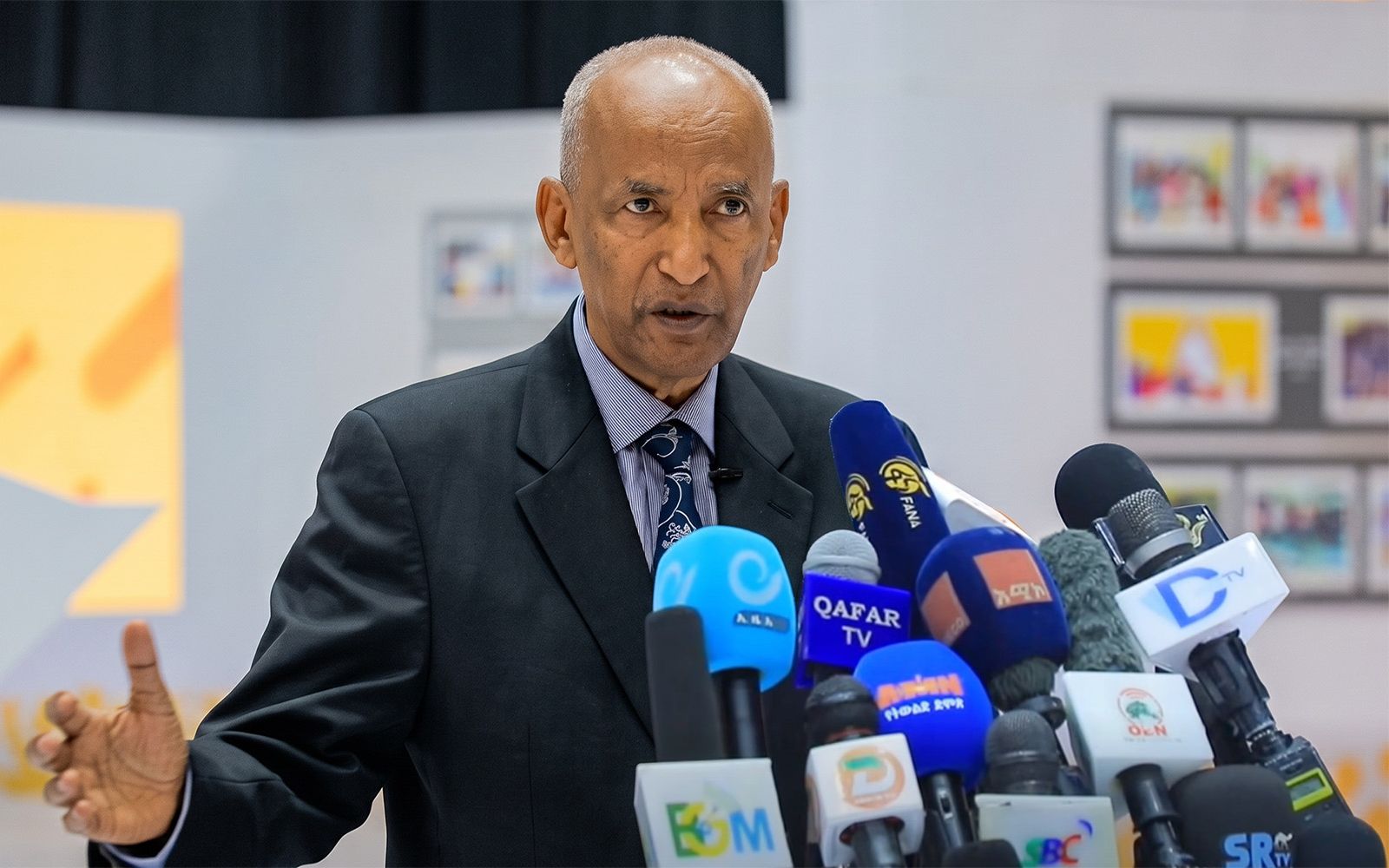
Addis Ababa — The current round of Ethiopia's National Dialogue, involving 4,000 delegates drawn from across the country's regions and political factions, is due to wrap up within one to two weeks, the National Dialogue Commission (ENDC) said in a progress update. Once the sessions close, the Commission will compile the delegates' proposals into formal policy packages for submission to state institutions and political and religious bodies.
Delegates have been organized through a tiered structure that begins with groups of ten and merges progressively into groups of 30, 50 and 250 before reaching full assemblies of 500 across eight thematic tracks. The Commission said it is currently merging pairs of 250-member groups into the 500-member bodies. In the 30-member sessions, made up of 15 representatives from each of two 250-member groups, participants and minute-takers refine draft proposals before they go to the larger assemblies.
Some tracks have moved faster than others. Broader subjects, including state-building, institutional structures and constitutional design, have taken longer to work through than narrower topics such as peacebuilding or anti-corruption. Three to four tracks reached the 500-member stage first, with the rest following soon after. The main conference opened July 15 at the Addis International Convention Center, bringing together roughly 4,000 delegates from every region and the diaspora for three to four weeks of deliberation on eight agenda items drawn from consultations across 1,234 woredas.
Turnout on site has exceeded the core delegate count once support staff are included: more than 7,000 people, including assistants and experts, were at the venue four days into the conference, and political parties that had previously declined to take part joined in the final days before the opening and were granted access.
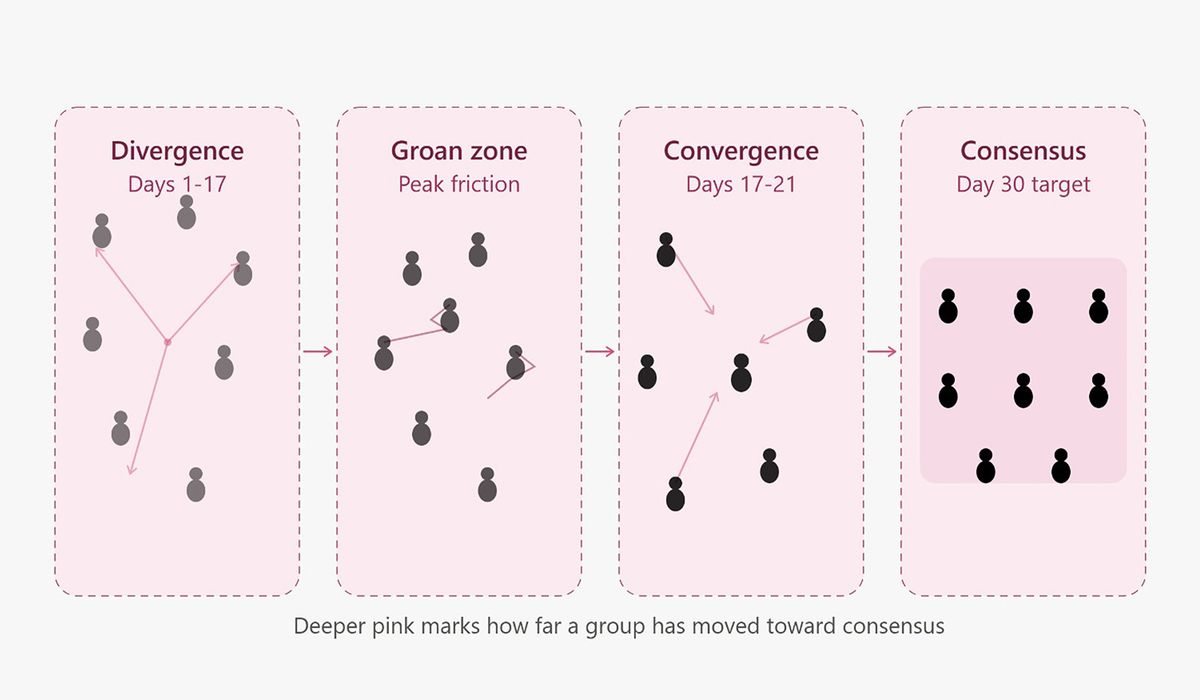
The Commission addressed reports of heated exchanges among delegates, describing an early divergence phase in which participants press for regional or group-specific demands to be reflected in the record, followed by a convergence phase in which those positions give way to shared national priorities. Several topics expected to produce deadlock are reaching agreement faster than anticipated, according to the update. By day 17, delegates were moving out of the divergent phase, with small groups of ten completing their initial work and presenting to groups of 50 ahead of consolidation into groups of 250.
Personal attacks, shaming or intimidation of delegates are barred under the assembly's rules, though the Commission said it is avoiding formal sanctions such as warnings or expulsions in favor of mediation, citing the range of delegates involved, from cabinet ministers to farmers and pastoralists. The Commission listed mutual respect, active listening and a focus on national over local outcomes as its guiding principles for the sessions.
The Commission said the assembly is not casting votes or issuing binding decisions, and that its output will be a set of recommendations submitted to the executive, legislature, judiciary, law enforcement, political parties and religious institutions for implementation. It dismissed reports of lobbying aimed at swaying immediate policy outcomes as rumors stemming from a misunderstanding of the process's advisory role.
A grievance panel made up of senior experts is handling complaints over phrasing disputes, procedural omissions and conduct breaches, with serious cases escalated to the Chief Commissioners and the Commission Council. The Commission also said it is holding bilateral meetings with leaders from more than 60 political parties and with religious figures to address concerns as they arise.
After the delegate sessions close, the Commission plans to compile the recommendations into policy packages, submit them to designated authorities, and set up a monitoring system to report on implementation.