Half-Price Bus Fares and Cheaper Homes: Inside Ethiopia’s Shift from Imported Diesel to Local Natural Gas
Transporting Gode gas via Dire Dawa, Adama, and Addis Ababa, Ethiopia is converting Anbessa buses, importing 400 gas buses and 100+ trucks, and powering Modjo and Debre Birhan ceramics plants to cut living costs.
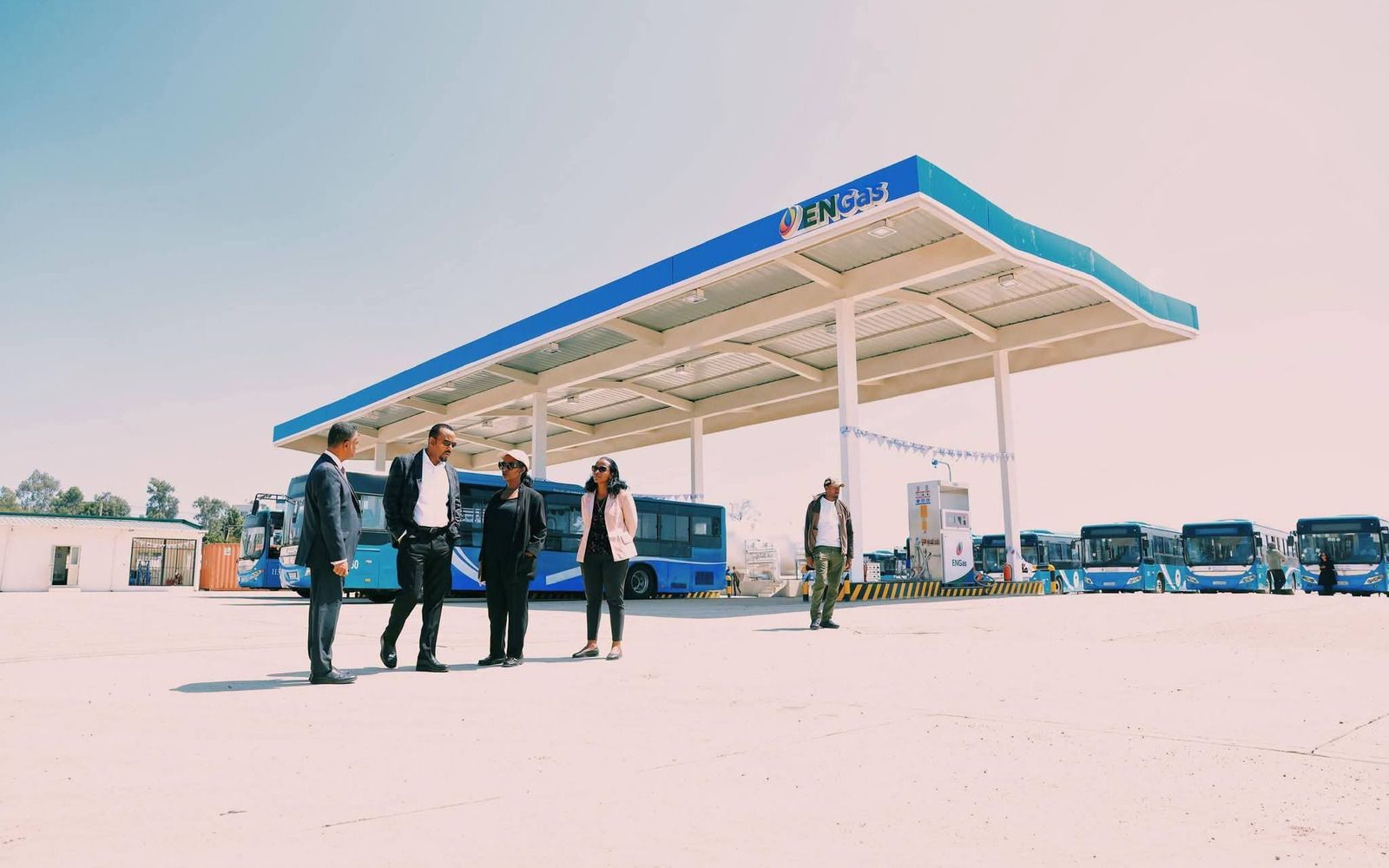
For tens of thousands of daily commuters in Addis Ababa, Ethiopia’s decades-long dream of extracting its own natural gas just became something they can feel in their pockets. Prime Minister Abiy Ahmed announced that the first 26 Anbessa city buses have been converted from diesel to natural gas and will be carrying passengers across the capital. Because the buses burn domestic gas instead of expensive imported diesel, operational costs have dropped sharply—allowing the city to cut passenger fares in half, delivering an immediate 50 percent savings for everyday workers, students, and market traders.
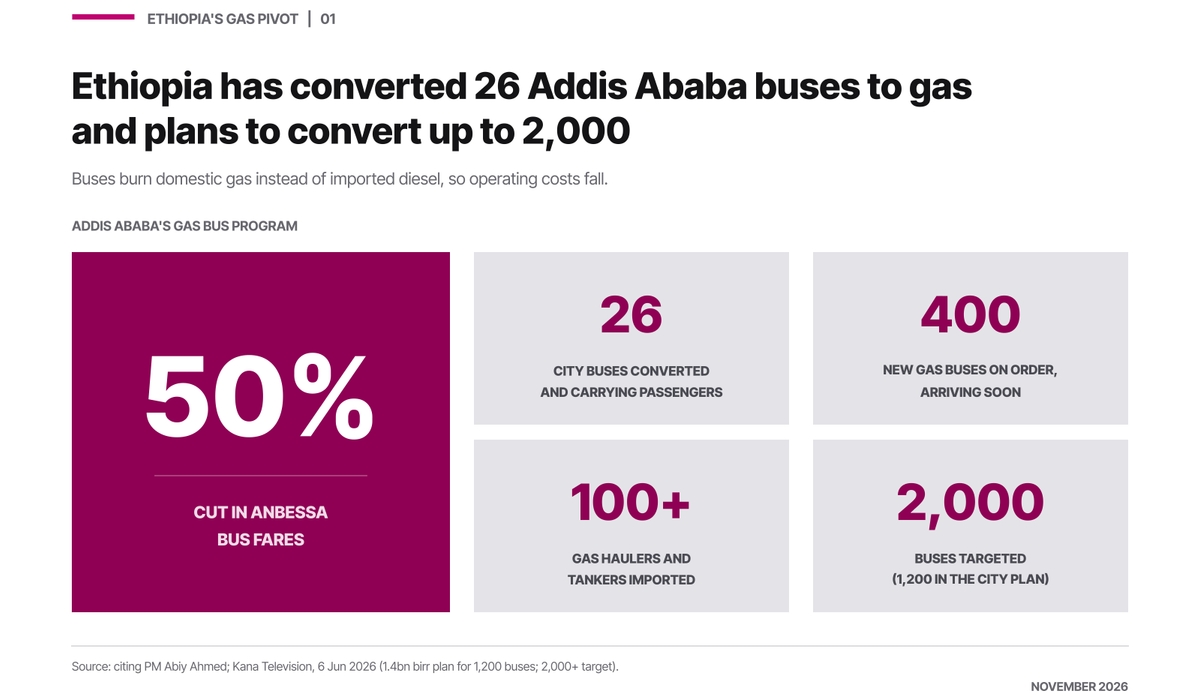
Getting those first 26 buses onto the streets required solving two complex engineering challenges at once: modifying heavy-duty diesel transit buses and building a domestic gas supply chain from scratch. Rather than waiting years to replace every aging vehicle, Ethiopian engineers imported specialized gas engines and high-pressure fuel systems, then performed the mechanical retrofits locally in Addis Ababa. That local conversion work proves that domestic technicians can now handle complex gas-engine technology transfers. To speed up the transition while local workshops continue retrofitting existing buses, the government is also importing 400 brand-new natural gas buses that will arrive soon, with the ultimate goal of converting the capital's entire public bus fleet of more than 1,200 to 2,000 vehicles over the next few years.
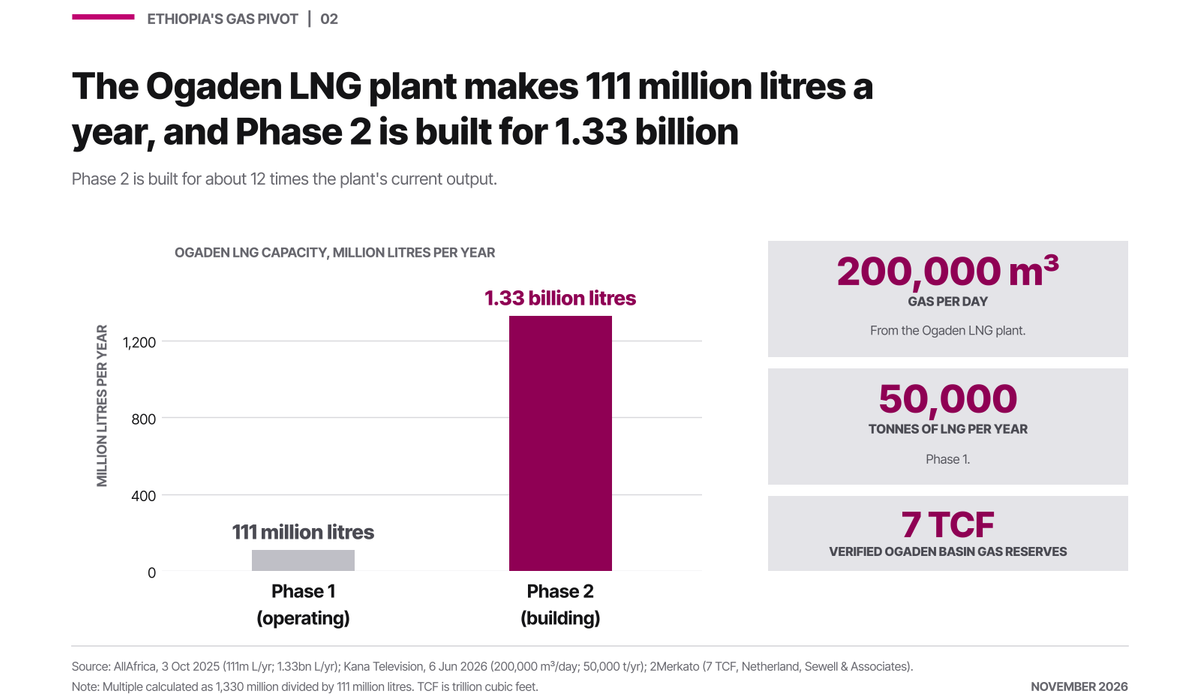
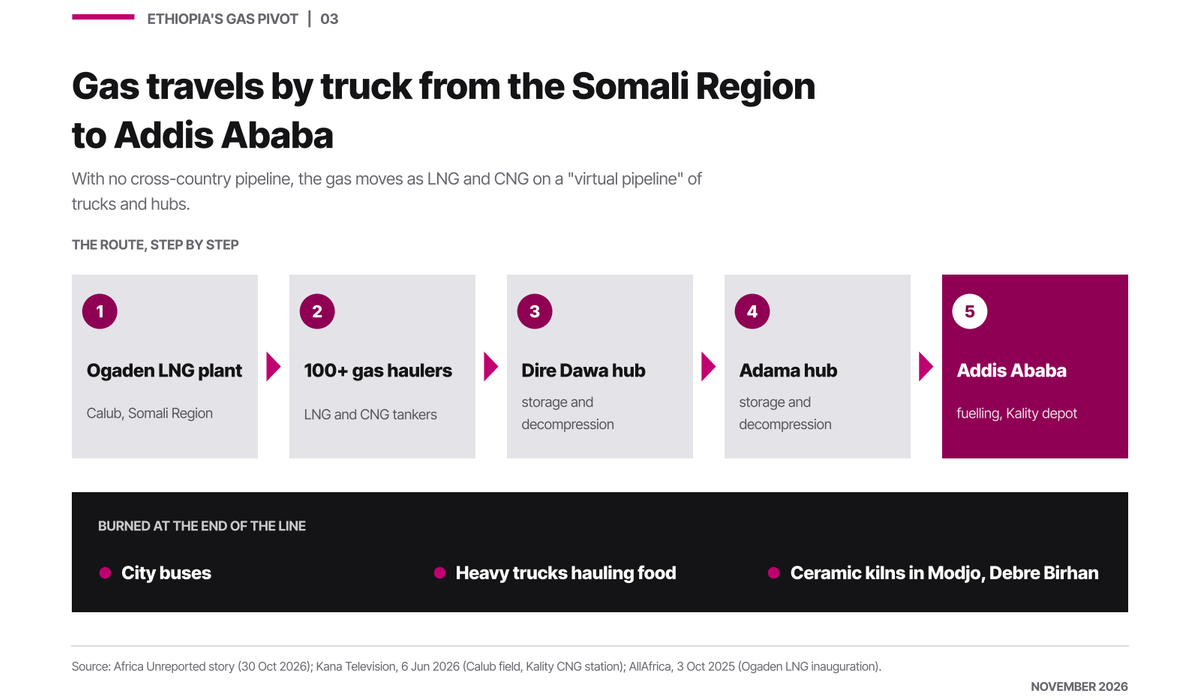
Behind the scenes, the biggest technical hurdle was moving the fuel itself. The gas is processed hundreds of kilometers away at the Gode natural gas plant in the Somali Region, and there is no cross-country pipeline connecting the southeast to the central highlands. To bridge that gap, planners engineered a "virtual pipeline" on wheels. Unlike regular diesel or petrol, natural gas cannot be poured into standard fuel trucks; it must be kept either super-cooled as a liquid or locked under extreme pressure in heavy-walled cylindrical vessels. Over the past several months, Ethiopia imported more than 100 specialized natural gas hauling trucks and differentiated tankers and built a chain of strategic storage, decompression, and fueling stations stretching from Dire Dawa and Adama directly into Addis Ababa.
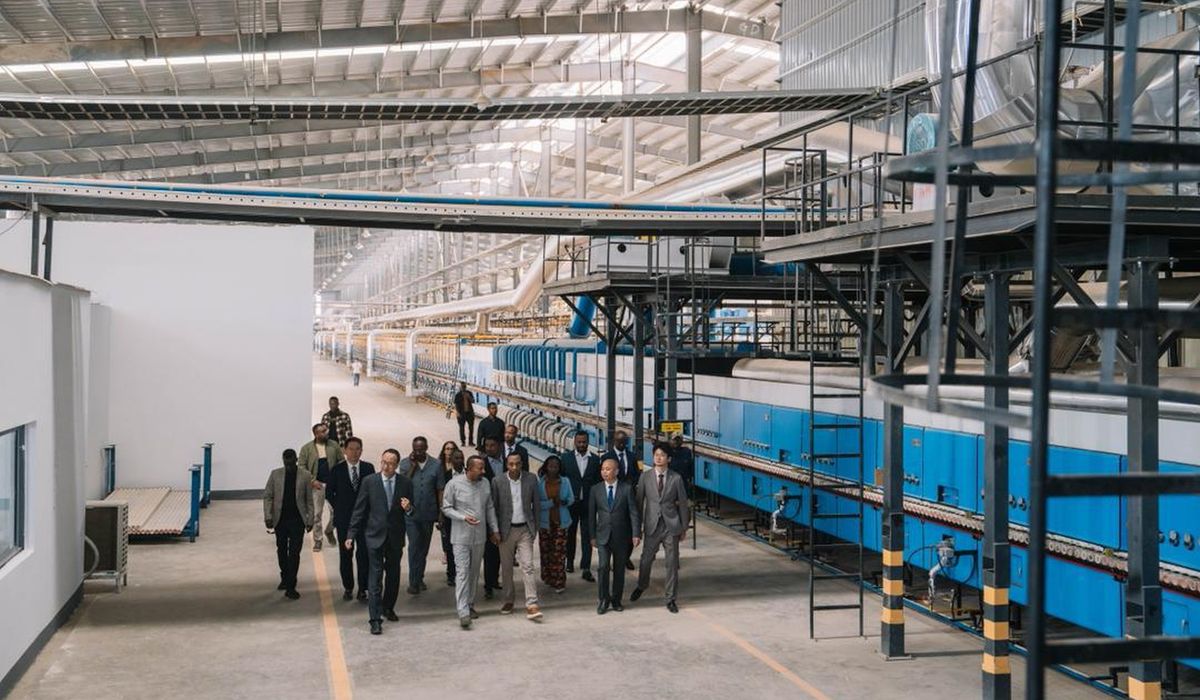
This new eastern gas corridor is doing much more than fueling city buses—it is quietly rewiring Ethiopia’s heavy manufacturing sector to attack the high cost of housing. Making construction materials like ceramic floor tiles, sanitary ware, and bricks requires firing massive industrial kilns at extreme temperatures, a process that previously burned huge volumes of imported furnace oil and diesel. Now, major ceramics factories along the Modjo and Debre Birhan industrial belts have been converted to run on domestic natural gas. By replacing dollar-denominated imported fuel with local gas at the factory gate, manufacturers can produce local building materials at a fraction of the previous energy cost, directly targeting the root cause of skyrocketing urban housing and construction prices.
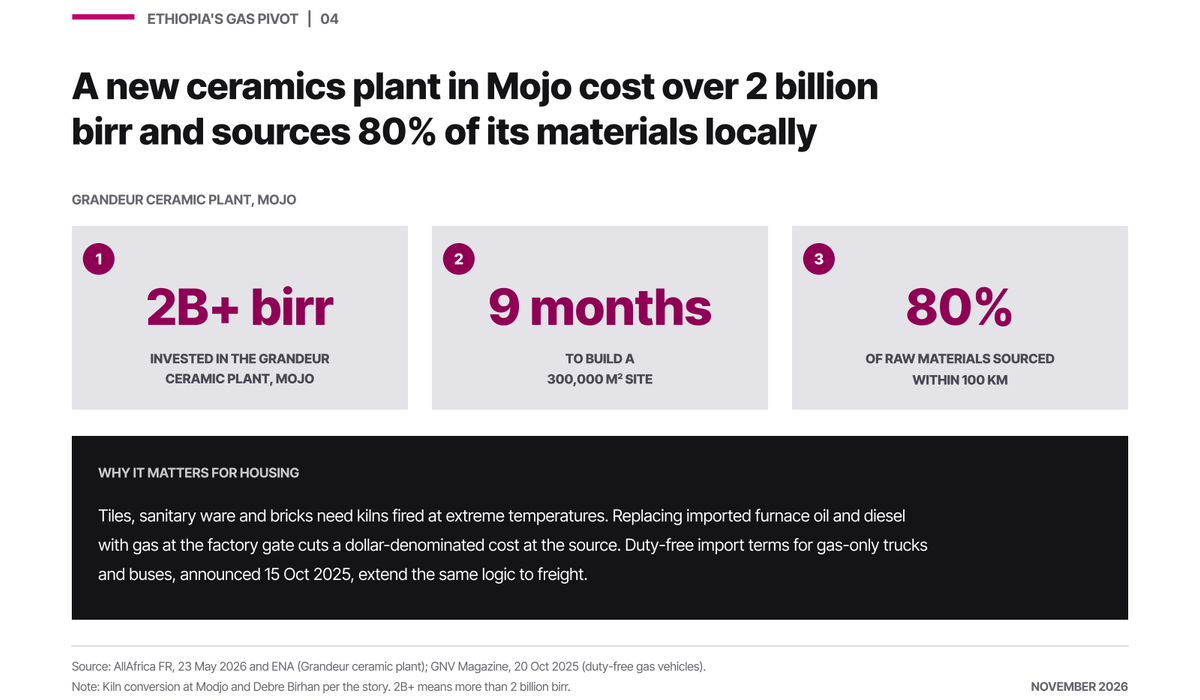
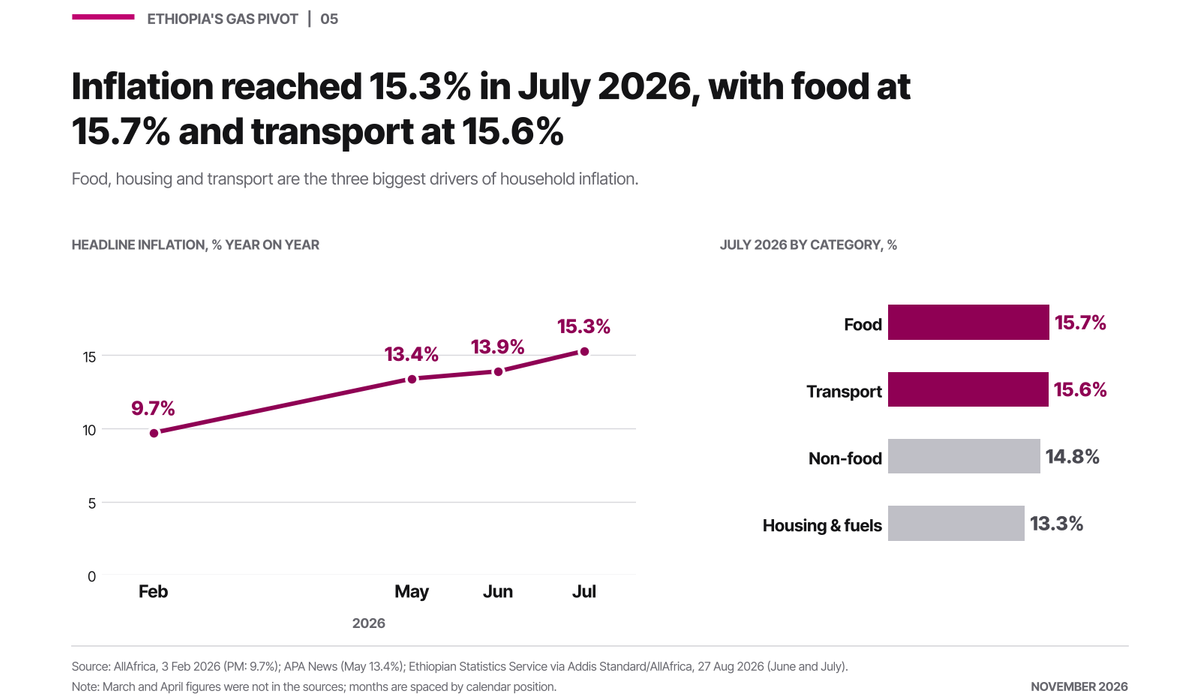
For policymakers, every cubic meter of Gode gas burned in a bus engine, a freight truck, or a Debre Birhan kiln solves two macroeconomic headaches at once. First, it keeps scarce U.S. dollars inside the country by slashing Ethiopia’s multibillion-dollar annual fuel import bill. Second, it targets the three biggest drivers of household inflation—food, housing, and transport—at their physical source. The transition from imported fuels to Ethiopian natural gas delivers tangible daily relief for millions of citizens—cutting commuter bus fares by 50 percent, eliminating diesel surcharges for over 100 heavy trucks hauling grain and produce from rural farms to urban markets, and providing domestic energy to fire tiles at local ceramics plants.