Eight-Lane Roads and Clean Water for the South: Inside the Third Phase of Addis Ababa’s Corridor Development
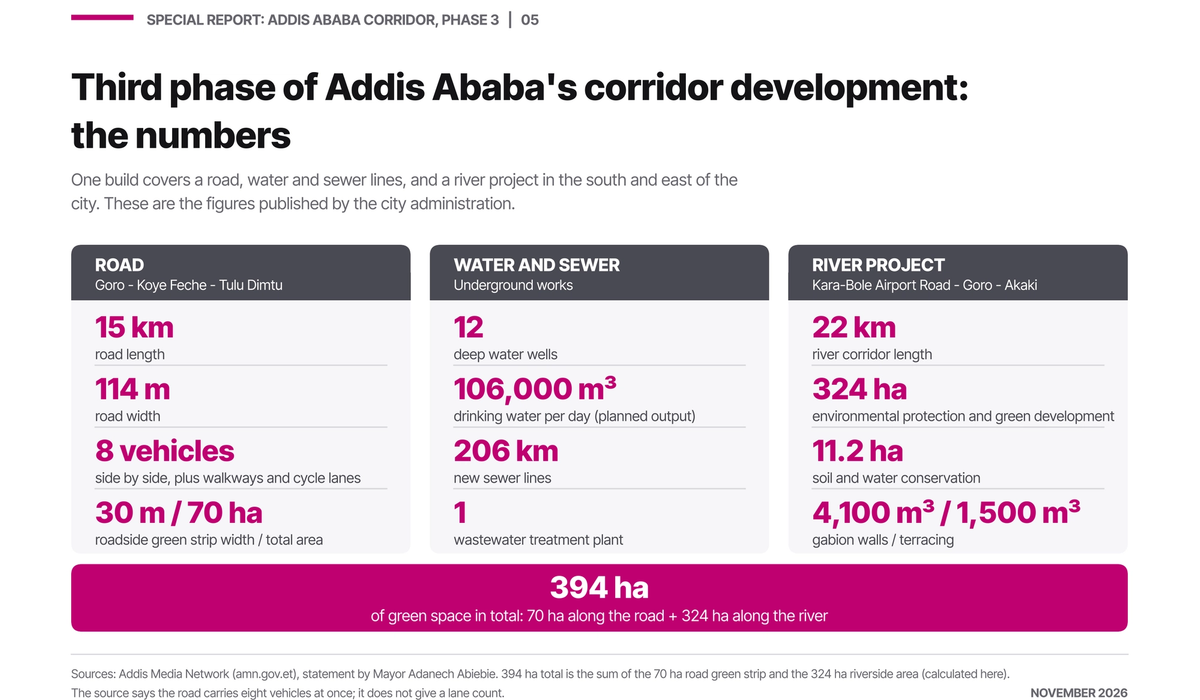
Running from Goro to Tulu Dimtu with a 22km Akaki river project, Addis Ababa’s latest corridor pairs a 114m-wide road with 12 deep water wells and 206km of new sewer lines.
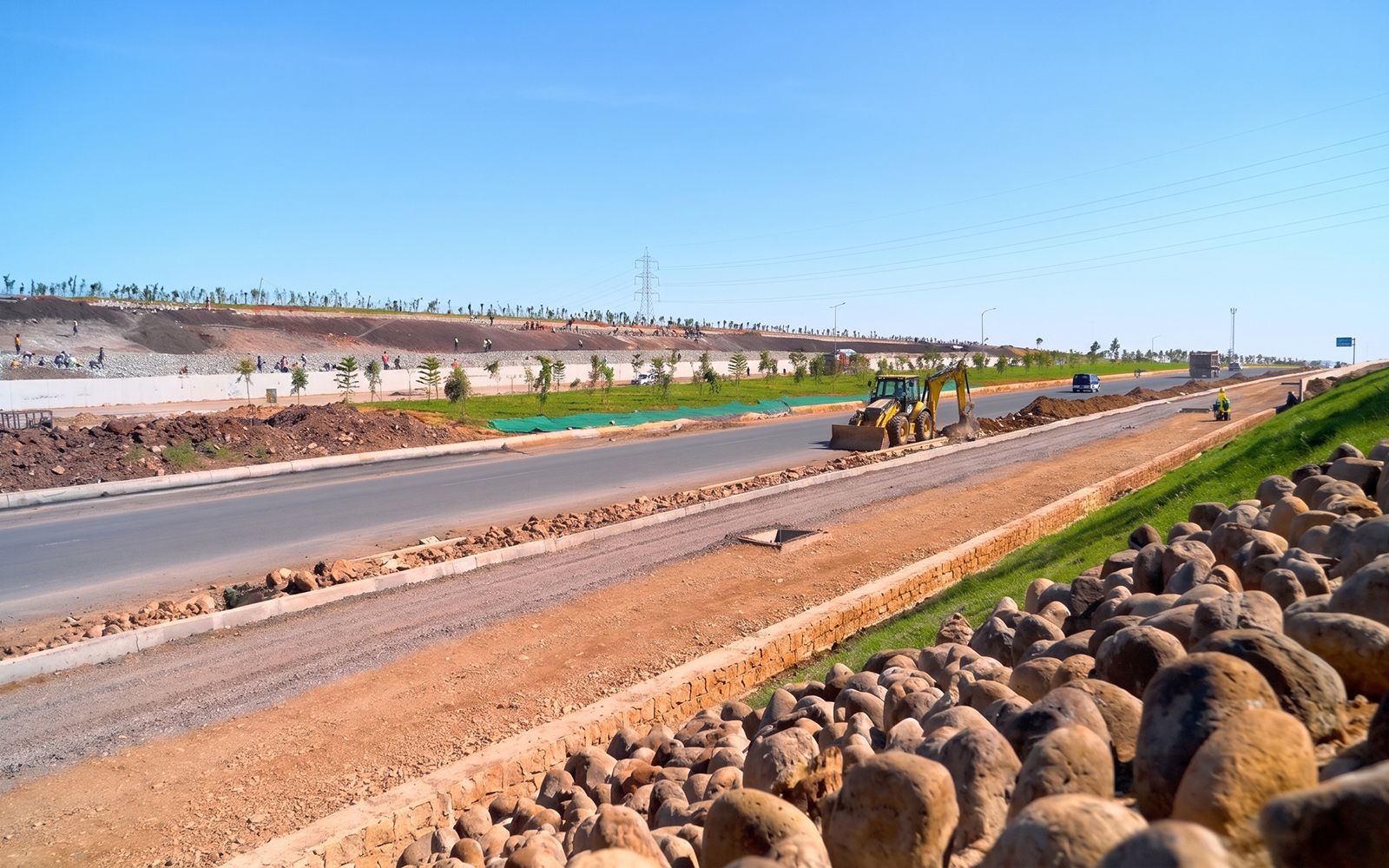
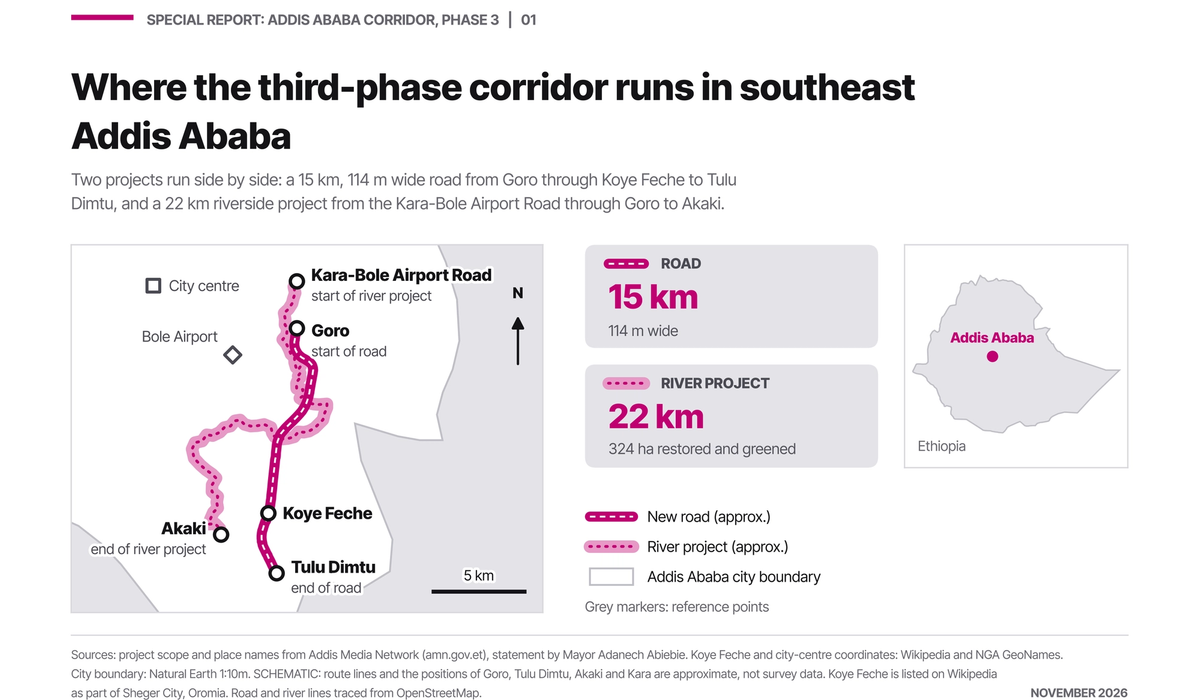
For hundreds of thousands of residents living in the fast-growing southern and eastern outskirts of Addis Ababa—especially in massive condominium neighbourhoods like Koye Feche and Tulu Dimtu—daily life has long meant battling narrow, congested roads and irregular tap water. Now, the city administration is tackling both problems at the same time. Moving forward at high speed, the third phase of Addis Ababa’s Corridor Development is pairing a massive new road network from Goro through Koye Feche to Tulu Dimtu with an underground water overhaul and a 22-kilometer riverside corridor stretching from the Kara–Bole Airport Road via Goro down to Akaki.
On the surface, the centerpiece of the project is a complete re-engineering of how people and freight move between the city center and its southern gateway. The new Goro–Koye Feche–Tulu Dimtu highway spans 15 kilometers in length and an extraordinary 114 meters in width—wider than a standard football pitch is long. That footprint allows the corridor to carry up to 8 lanes of vehicle traffic simultaneously while still leaving plenty of room for wide pedestrian walkways and dedicated bicycle lanes. Instead of pouring concrete from edge to edge, engineers have reserved a 30-meter-wide strip for roadside greening that covers 70 hectares along the transport route, cooling the road surface and absorbing rainwater runoff.
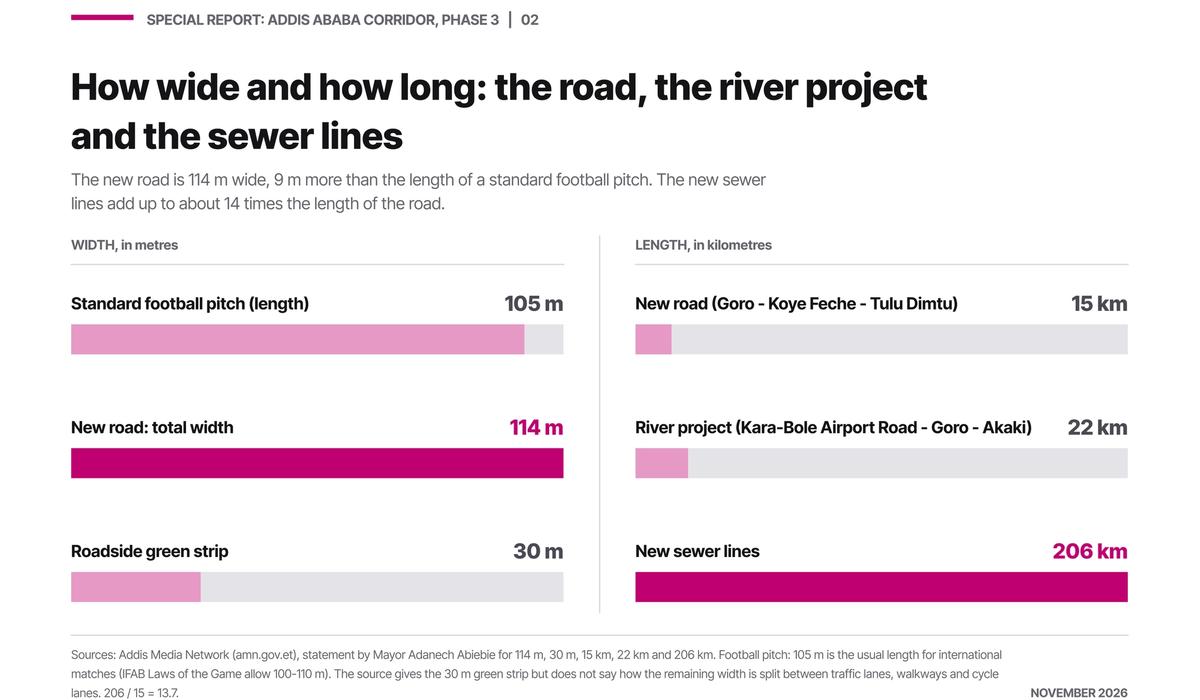
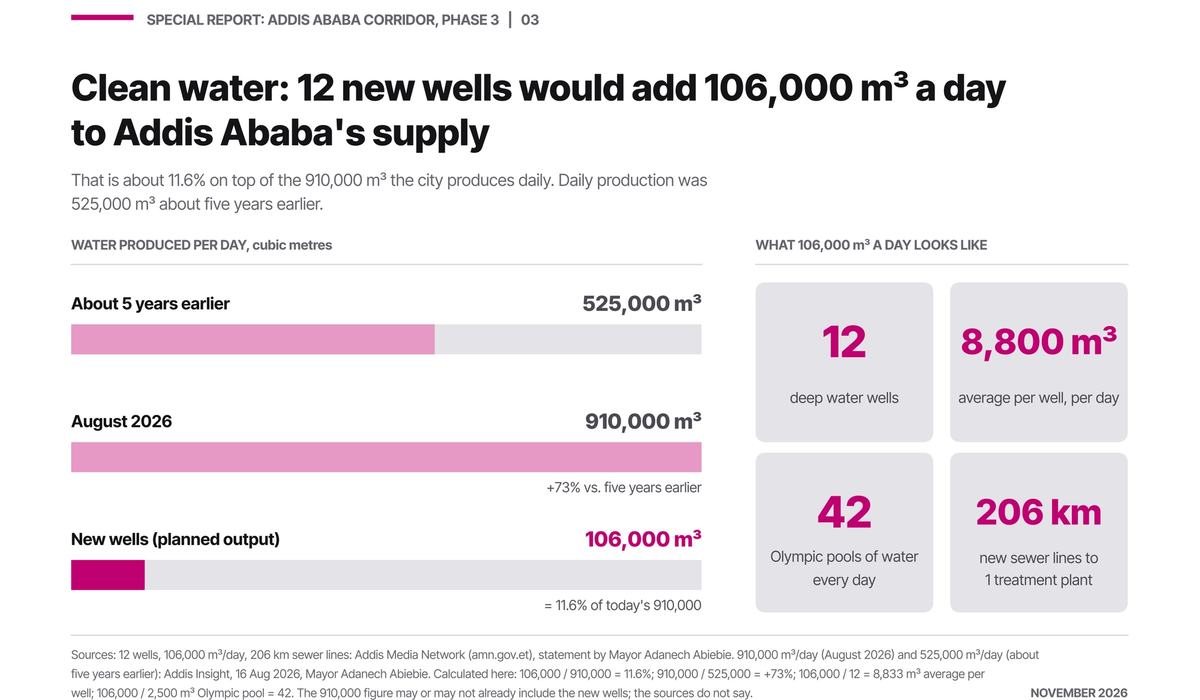
What makes this third phase technically critical, however, is what is being buried underneath the asphalt. In many African cities, roads are built first and dug up years later to lay pipes. Here, the city is installing heavy water and sanitation utilities upfront. Crews are drilling 12 deep water wells designed to pump 106,000 cubic meters of clean drinking water every single day—enough to supply hundreds of thousands of households and boost the capital’s total daily water production of 910,000 cubic meters by more than 11 percent. Alongside the fresh water supply, engineers have built a dedicated wastewater treatment plant connected to 206 kilometers of brand-new underground sewage lines, ensuring that waste from high-density housing estates is safely treated rather than leaking into local streams.
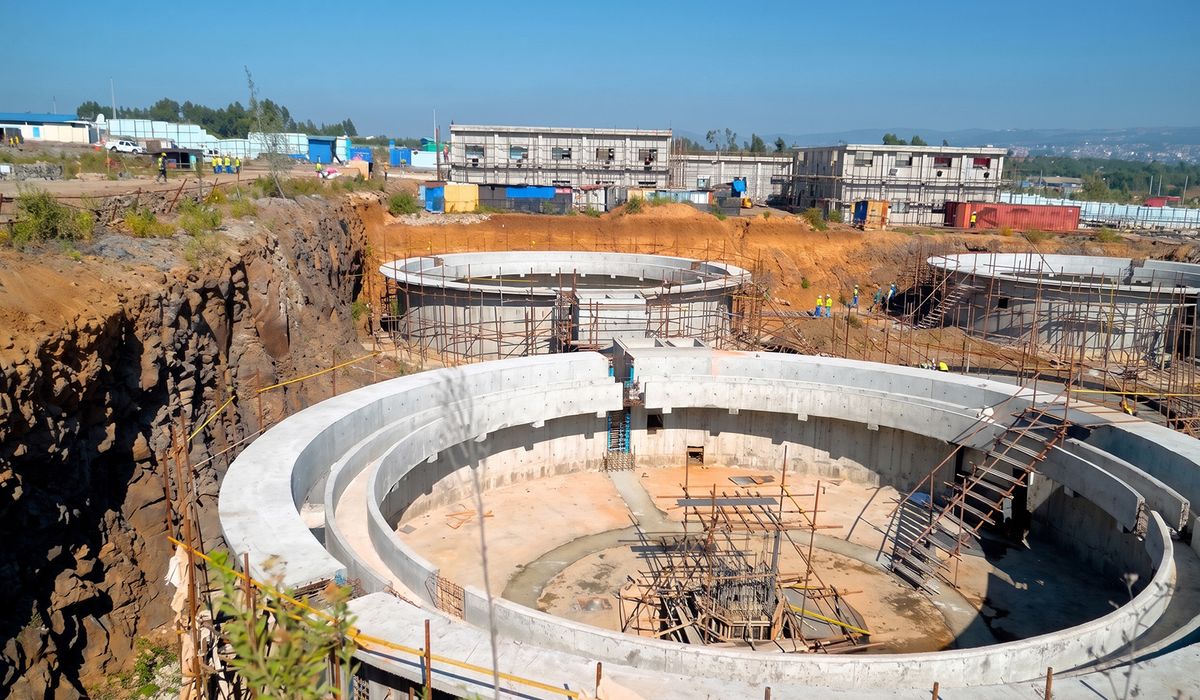
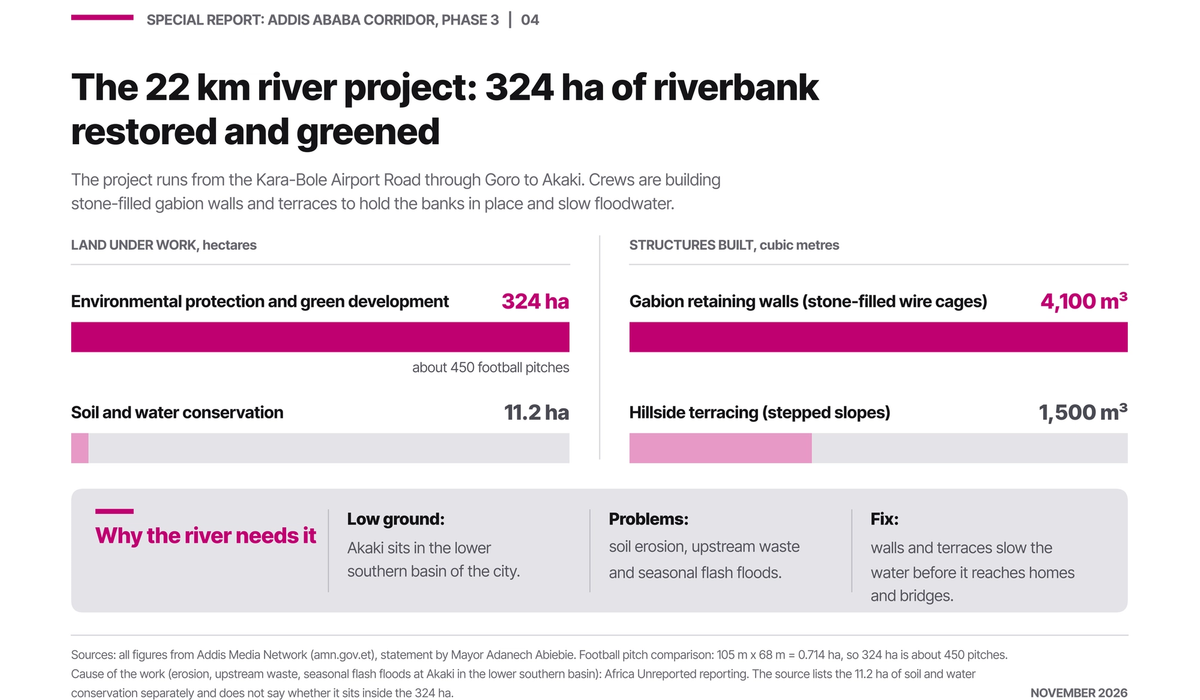
That sanitation network directly protects the second major piece of the project: the 22-kilometer riverside development running from the Kara–Bole Airport Road through Goro to Akaki. Because Akaki sits at the lower southern basin of Addis Ababa, its rivers have historically suffered from severe soil erosion, upstream waste, and seasonal flash flooding. To stabilize the waterway, civil engineers are executing heavy structural protections across 324 hectares of riverbank land undergoing environmental restoration and greening, including 11.2 hectares of dedicated soil and water conservation. Workers are locking the fragile riverbanks in place by constructing 4,100 cubic meters of stone-filled wire gabion retaining walls and 1,500 cubic meters of stepped hillside terracing, slowing down fast-moving floodwaters before they can damage homes or bridges.
With public crews working around the clock to finish the roads, pipes, and river parks, city authorities are now calling on private developers who hold priority building rights along the Goro–Tulu Dimtu corridor to speed up their own construction projects. By putting an 8-lane highway, 106,000 cubic meters of daily drinking water, 206 kilometers of sewer lines, and 394 combined hectares of green space into one coordinated build, Addis Ababa is turning its southern residential and industrial belt into a fully serviced, modern urban district.