Ethiopia Deploys 223 Heavy Machines and an 80% Electric Fleet to Build Its First Fertilizer Plant
Across a 74-hectare site in Ethiopia’s Somali Region, engineers have finished 69% of rock blasting and are assembling 1,250-ton cranes for a gas-powered plant aimed at ending fertilizer imports.
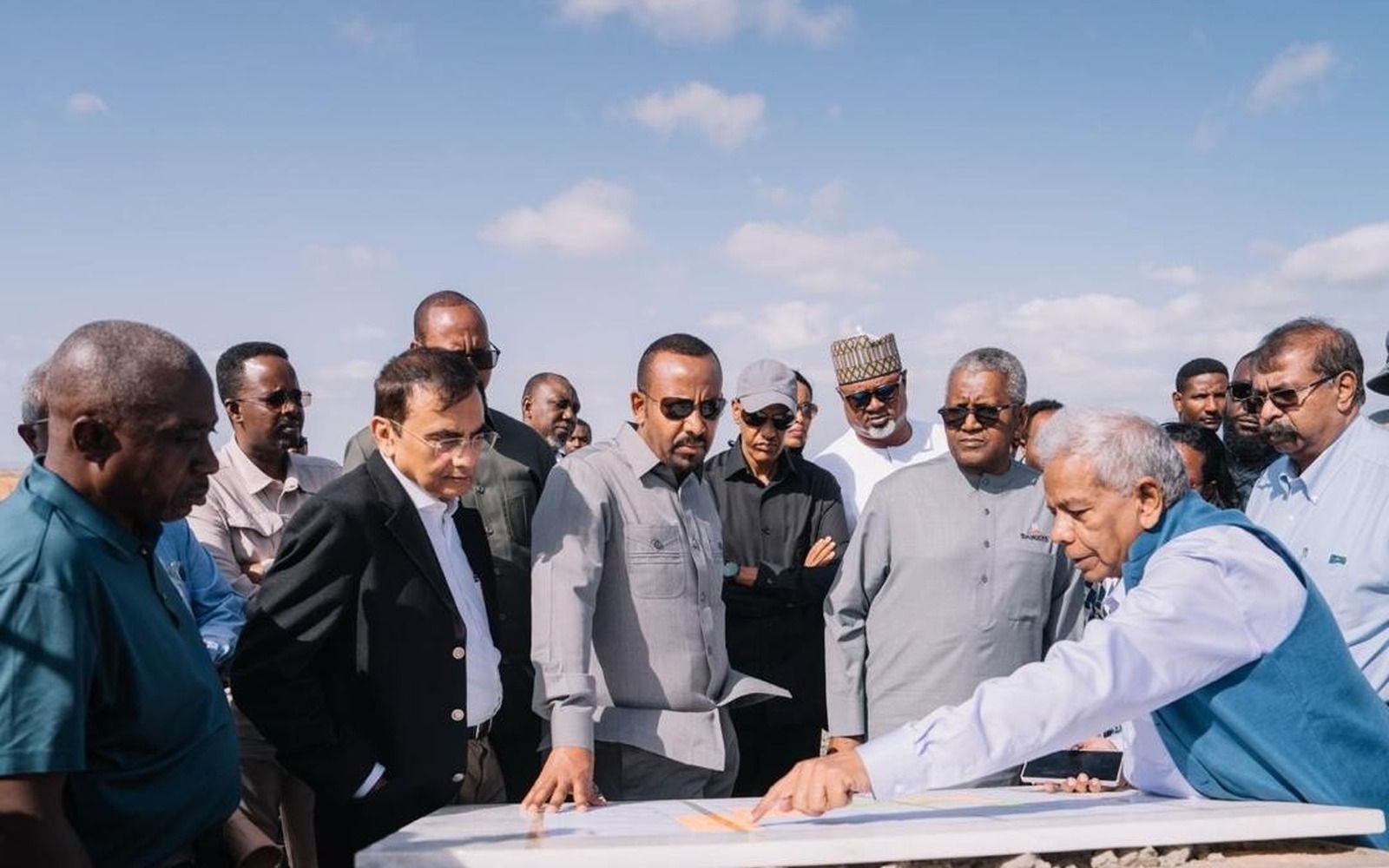
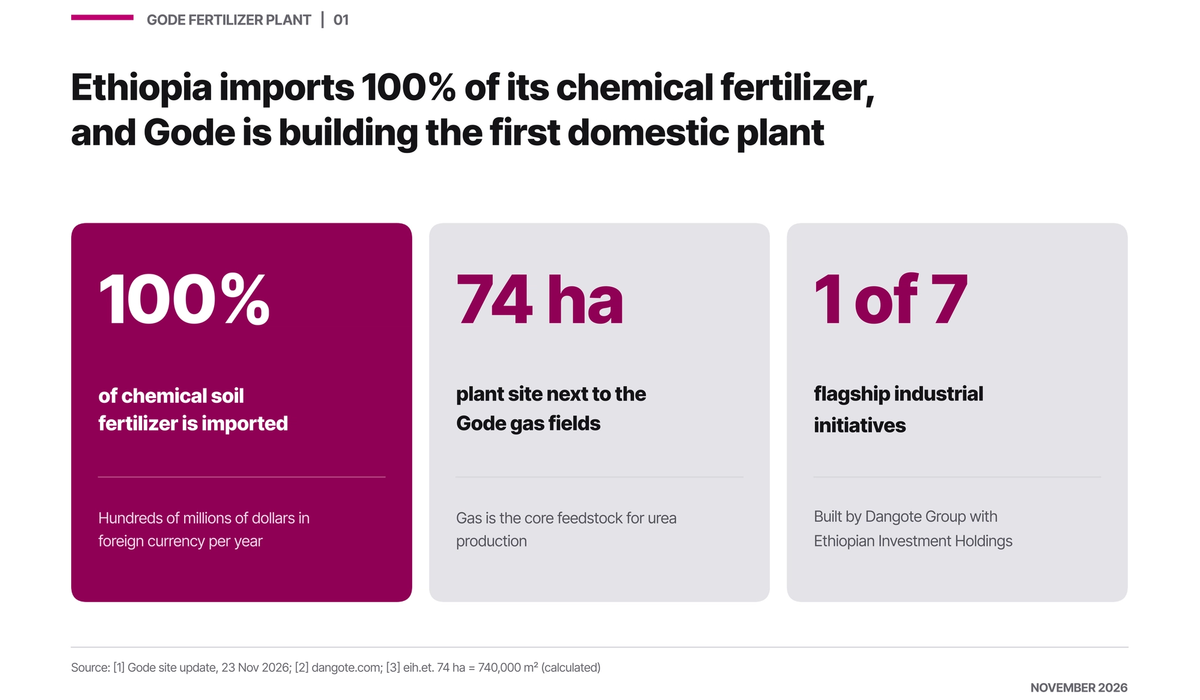
Ethiopia’s economy relies heavily on agriculture, yet the country has historically spent hundreds of millions of dollars in scarce foreign currency every year importing 100 percent of its chemical soil fertilizer. That import dependency is now being tackled directly on the ground in the Gode Zone of southeastern Ethiopia’s Somali Region, where site preparation and heavy equipment assembly are underway for the nation’s first domestic fertilizer manufacturing complex. Positioned next to the Gode natural gas fields—which provide the core feedstock for urea production—and developed alongside Africa’s industrial conglomerate Dangote Group and Ethiopian Investment Holdings, the project is one of seven flagship industrial initiatives launched under the government’s development program.
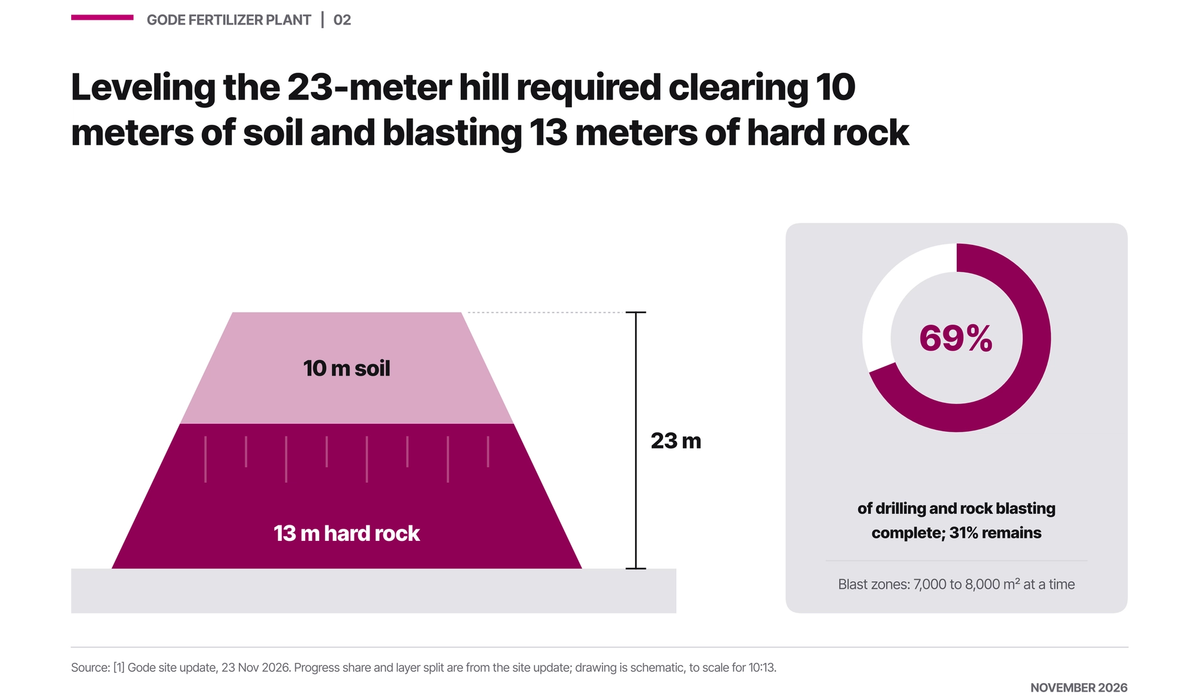
Engineering updates from the Gode site show rapid progress across the 74-hectare industrial footprint. Preparing the foundation required leveling a 23-meter hill; after bulldozers and excavators cleared the top 10 meters of soil, crews hit a solid 13-meter layer of hard rock, requiring systematic drilling and controlled blasting across active zones of 7,000 to 8,000 square meters at a time. Site engineers report that 69 percent of all drilling and rock-blasting work is already complete, clearing the way for final surface grading. Simultaneously, an on-site precast concrete plant is manufacturing reinforced perimeter wall panels, where each batch is watered and cured for a strict seven-day cycle before installation.
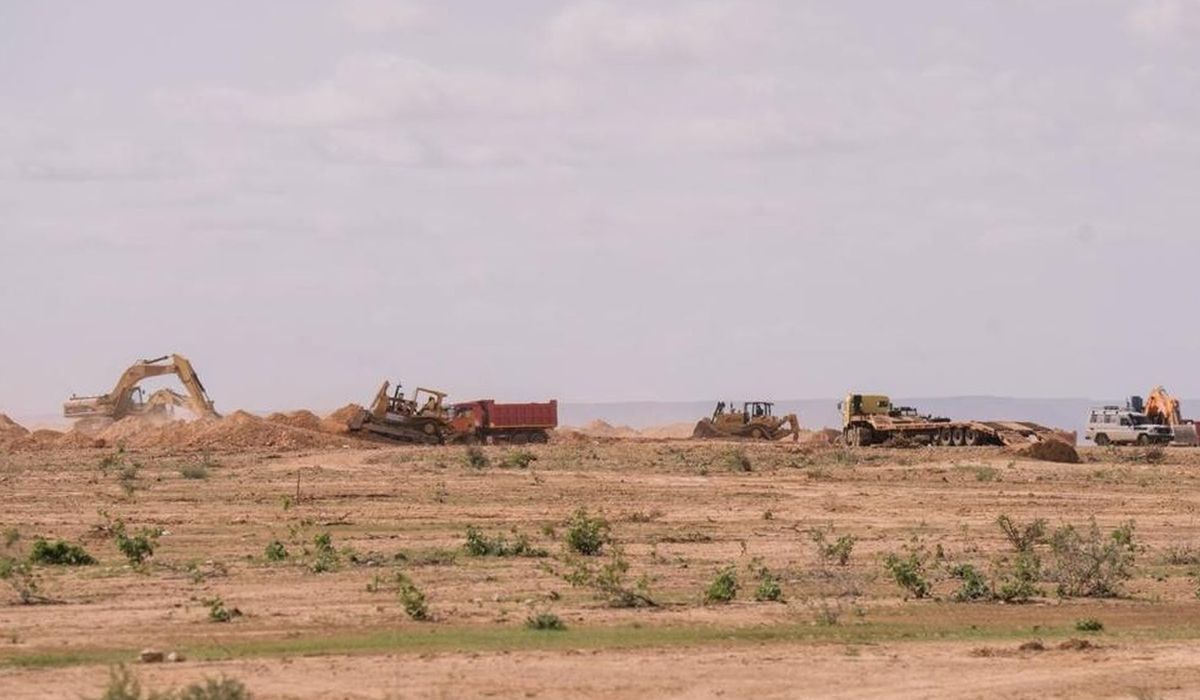
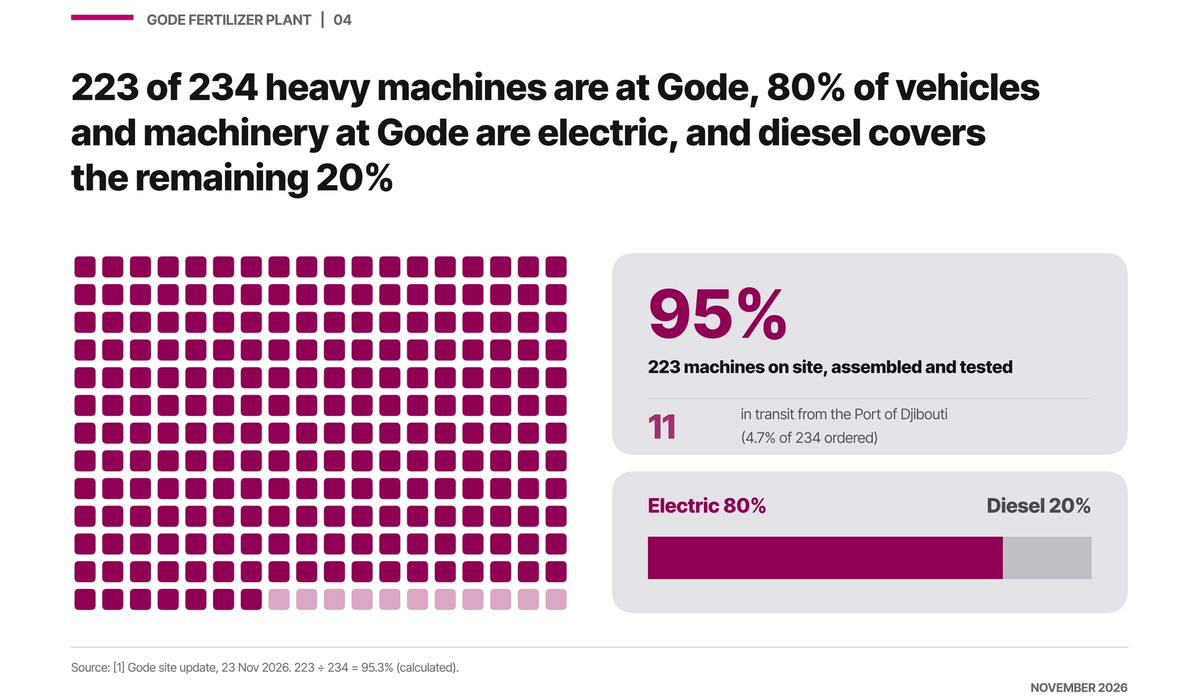
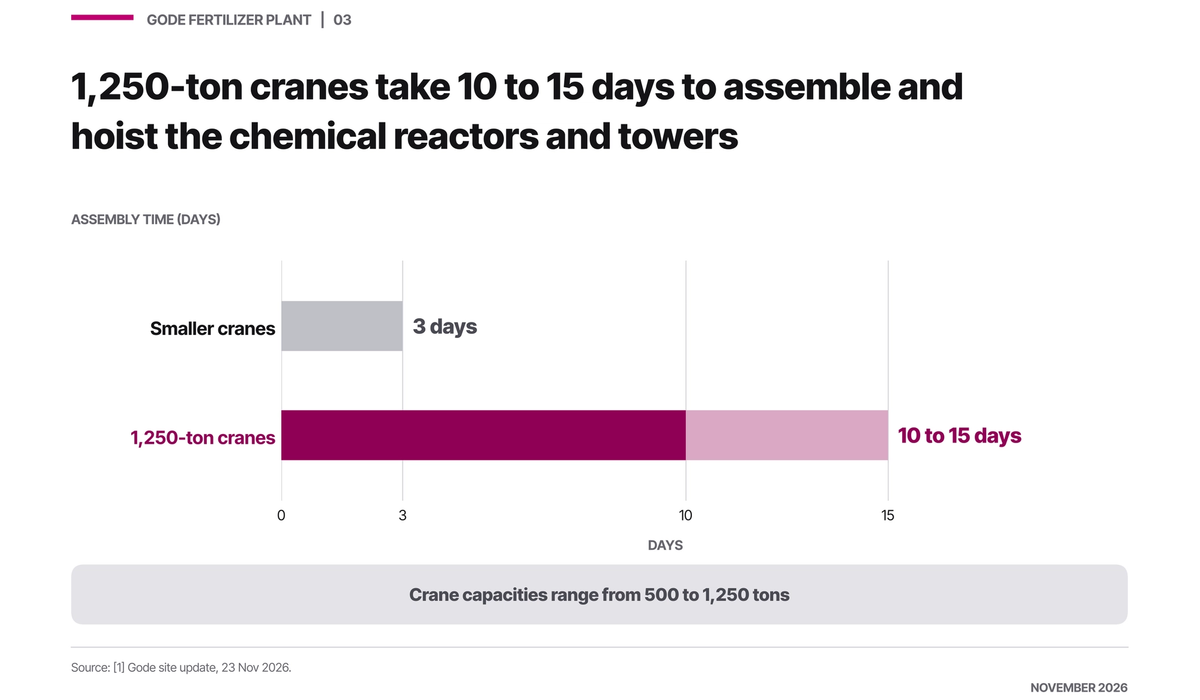
Alongside earthworks, Gode has become a major assembly yard for heavy industrial equipment arriving from the coast. According to Dangote equipment engineers on site, out of 234 heavy construction machines ordered for the build, 223 units have already arrived at Gode and are being assembled and tested on location, while the remaining 11 machines are currently in transit from the Port of Djibouti. The fleet includes ultra-heavy mobile cranes with lifting capacities between 500 tons and 1,250 tons. Assembly teams require roughly 3 days to rig the smaller cranes and 10 to 15 days to assemble the 1,250-ton units needed to hoist chemical reactors and processing towers.
Notably, the construction site is also operating under Ethiopia’s clean-energy policy. Site managers confirmed that 80 percent of the vehicles and machinery operating at Gode are electric-powered, with diesel equipment accounting for only the remaining 20 percent—specifically the ultra-heavy earthmovers and cranes whose electric equivalents could not be delivered within the required construction schedule. With 69 percent of rock excavation finished and 95 percent of the heavy machinery fleet already on the ground, the Gode complex is moving steadily from site preparation toward vertical plant construction—bringing domestic, gas-derived fertilizer production closer to Ethiopian farms.