Selling to the People: Why African Countries Are Letting Citizens Buy Government Companies
Blocked by strict international borrowing limits and rising debt, countries in Africa are turning to local stock markets to raise cash, fund new projects, and shift ownership to regular citizens.
A quiet financial change is happening across Africa's stock markets. While big private companies like Nigeria’s Dangote Refinery are making headlines by offering shares to the public, governments are doing the exact same thing. Across the continent, governments are turning their oldest, largest state-owned businesses into public companies. This gives everyday citizens the chance to buy a piece of their own national infrastructure.
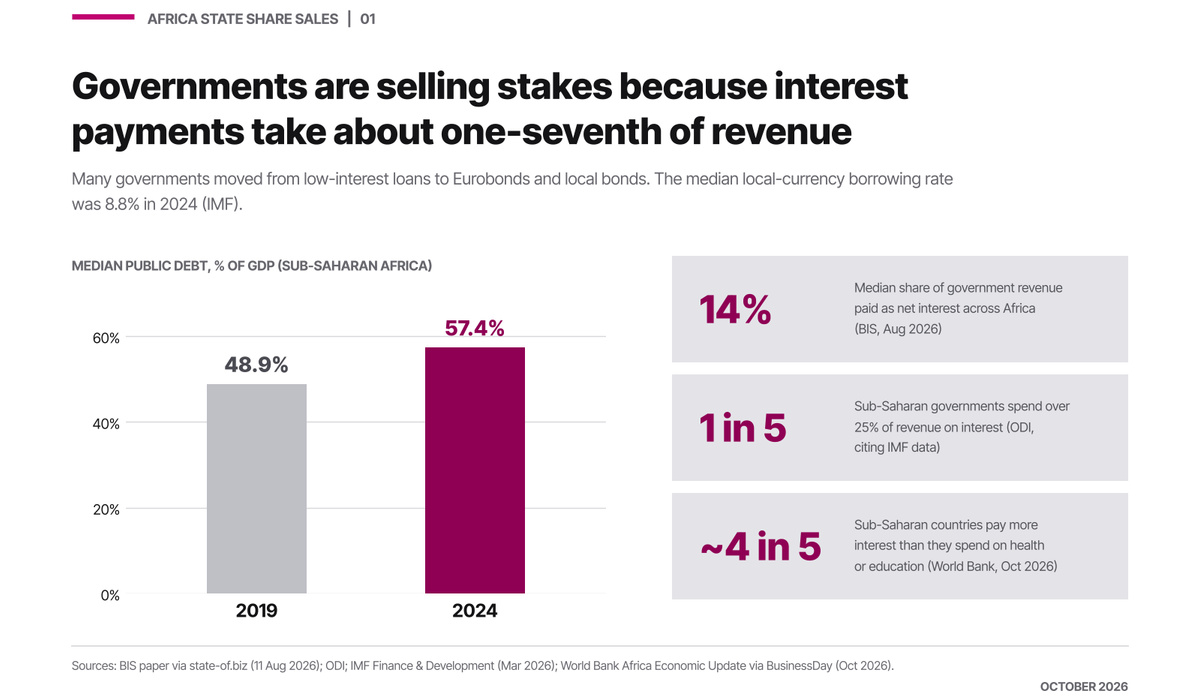
The reason behind this "Great Sell-Off" is the same almost everywhere. For the past twenty years, many African governments paid for big projects, like roads and power plants, by taking out expensive loans from other countries. Today, high national debt and strict borrowing rules imposed by the International Monetary Fund (IMF) mean that they cannot easily borrow more money. To raise the cash needed to build new projects without taking on new foreign debt, governments realize their best option is to unlock the billions of dollars trapped inside their own state companies.
This strategy is already happening in several key markets:
· Ethiopia’s Telecom Sale: Ethiopia recently turned its 130-year-old state phone monopoly into a share company. The government launched a massive sale of Ethio Telecom shares, pricing them at just 300 Birr so that normal citizens could afford to buy them before the stock officially traded on the new Ethiopian stock exchange.
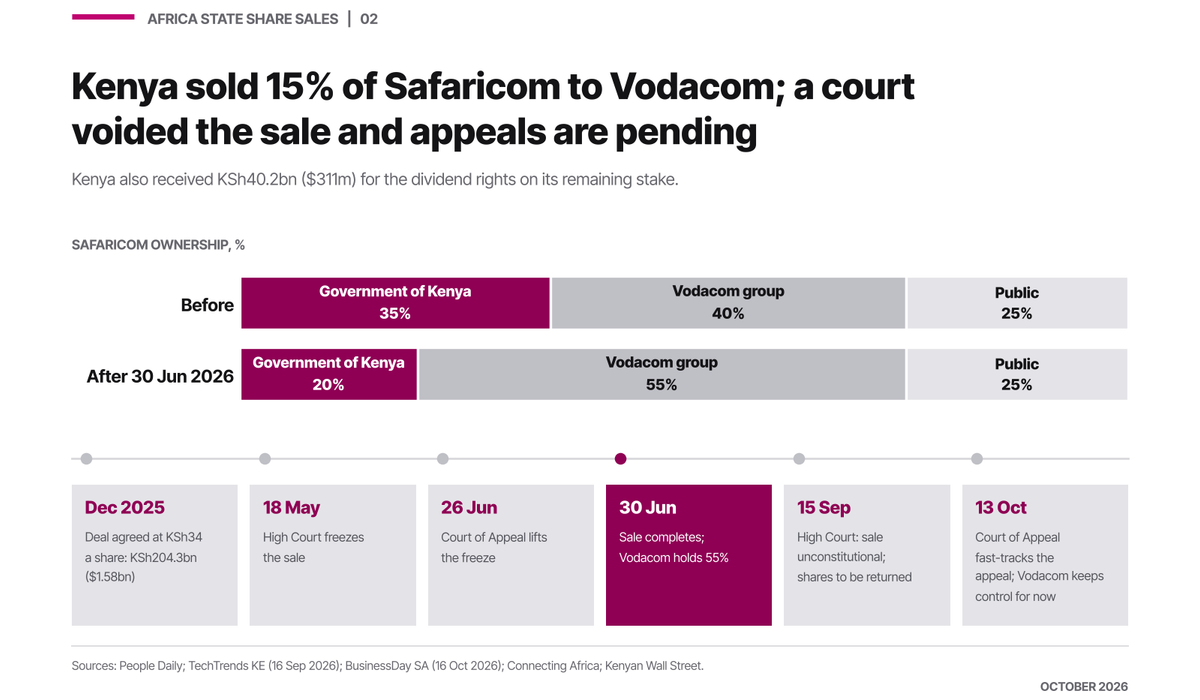
· Kenya’s Business Privatization: Facing severe debt pressures, Kenya has officially decided to sell parts of 35 state-owned companies, with more under review. The biggest move is an ambitious $825 million plan to sell shares in the Kenya Pipeline Company, a highly profitable business designed to attract local people to the Nairobi stock market.
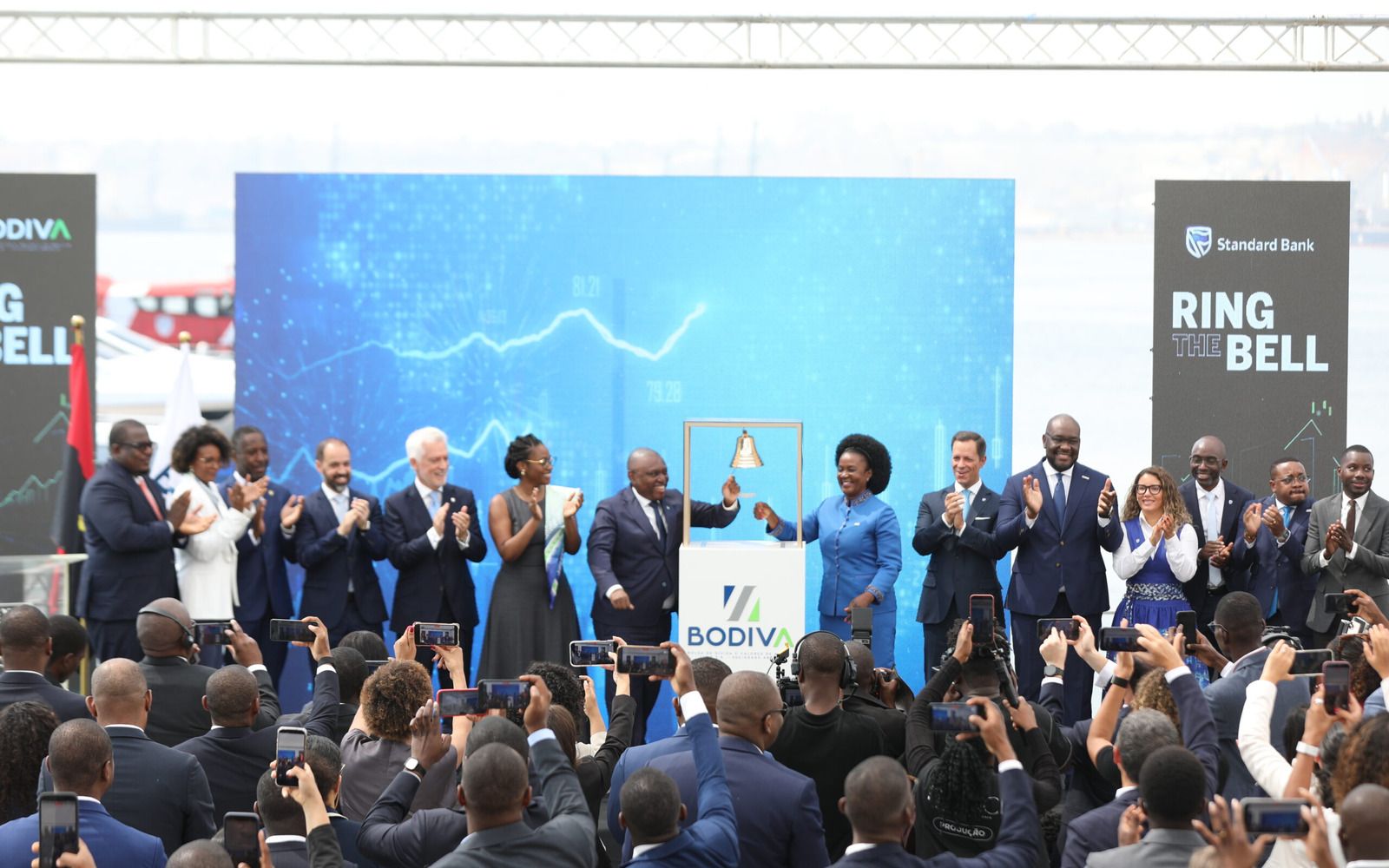
· Angola’s Oil and Finance Push: Angola is using its local stock exchange to sell government stakes in businesses, highlighted by the successful sale of Standard Bank Angola in September 2026. More importantly, the state-owned oil giant Sonangol continues to prepare for its own long-awaited public sale of shares.
Beyond simply raising cash, listing these massive businesses on public stock exchanges forces them to change how they operate. Historically poorly managed public companies will now have to answer to the market. They must publish clear financial reports, share profits, and answer directly to thousands of local, everyday shareholders who expect a return on their money.
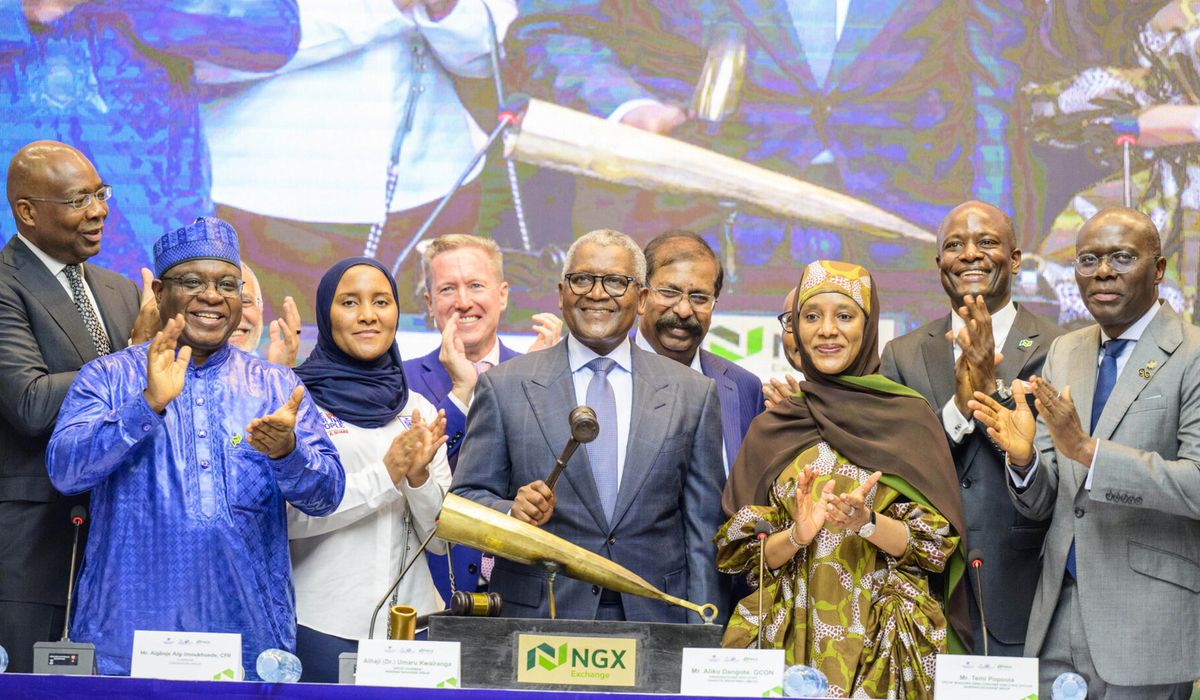
The success of private share sales like the Dangote Refinery—where digital apps allow regular people to buy shares without complex bank paperwork—proves that local people want to invest. As more governments look to stock markets to help solve their debt problems, the next decade of African economic growth will likely be defined by millions of regular citizens buying direct ownership of their own national infrastructure.