
Four years in the making: Inside Ethiopia’s Historic Quest for National Consensus.
Around 4,000 delegates from every region of the country and the diaspora are gathering at the Addis International Convention Center for three to four weeks of structured deliberation on eight national agenda items.
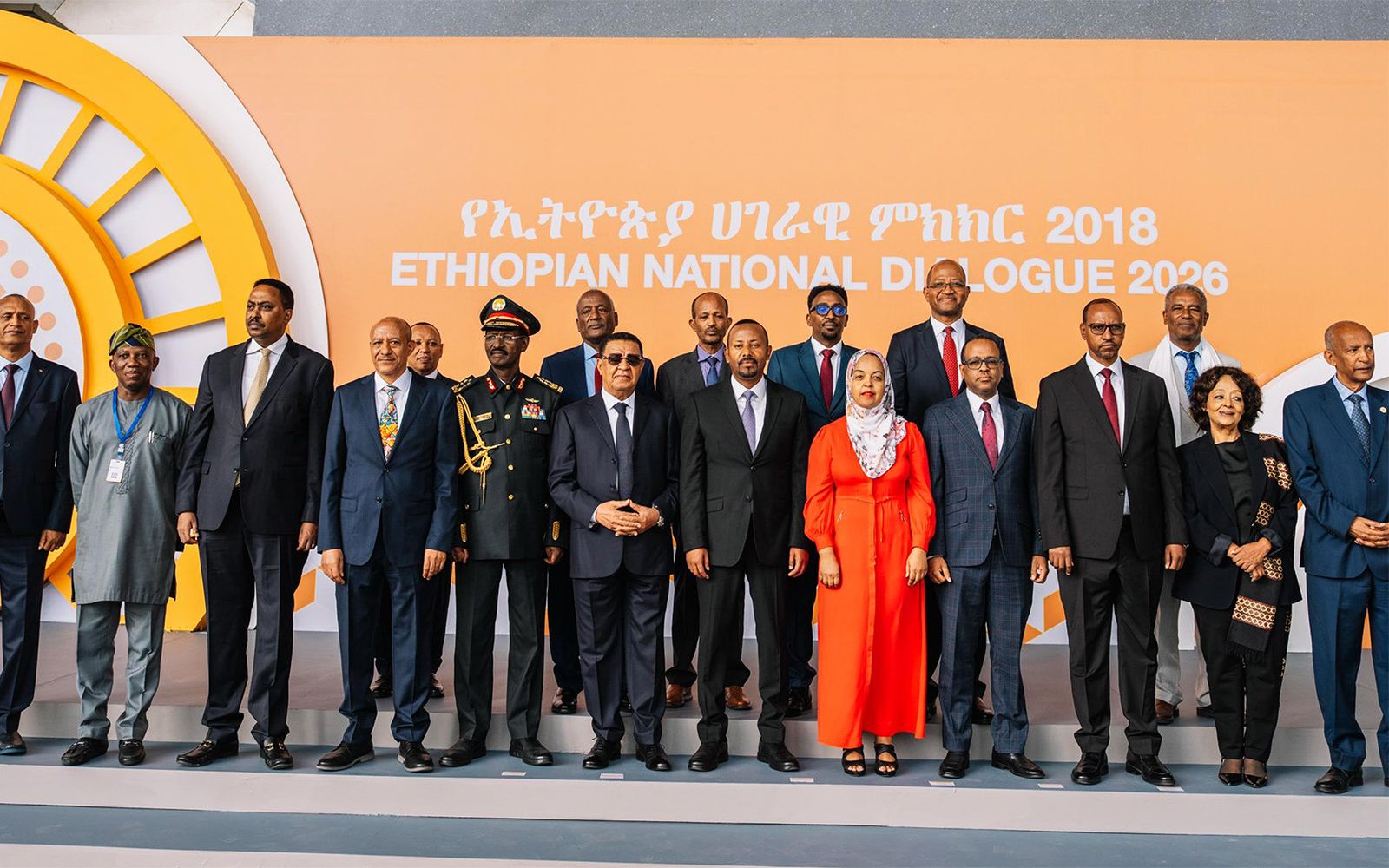
The Ethiopian National Dialogue Commission was established by parliamentary proclamation in 2021 with a mandate to design and facilitate a nationally owned process for addressing long-standing political and social differences. Four years and two mandate extensions later, the main conference opened today at the Addis International Convention Center. Around 4,000 deliberators drawn from federal and regional institutions, political parties, civil society, religious bodies, the business community, universities, and the Ethiopian diaspora — with representatives already arrived from the UAE, United States, United Kingdom, and Sweden — are expected to spend three to four weeks working through eight agenda items identified through the consultation process. The House of Peoples’ Representatives granted a second eight-month mandate extension in February 2026 to allow the Commission to complete preparatory work before convening.
The Commission conducted agenda consultations across 1,234 woredas, covering approximately 93 percent of Ethiopia’s administrative districts across 12 regional states and two city administrations. Participants included political parties, civic associations, researchers, community representatives, internally displaced persons, communities affected by conflict, and diaspora members through structured submissions. The agenda collection phase ran through successive rounds of consolidation, narrowing a broad range of political, constitutional, social, economic, and governance proposals down to eight thematic pillars. Tigray’s consultations were held in Addis Ababa rather than in the region, with the Commission citing the absence of enabling conditions in Tigray itself, and pledging to conduct an in-region process when conditions allow.
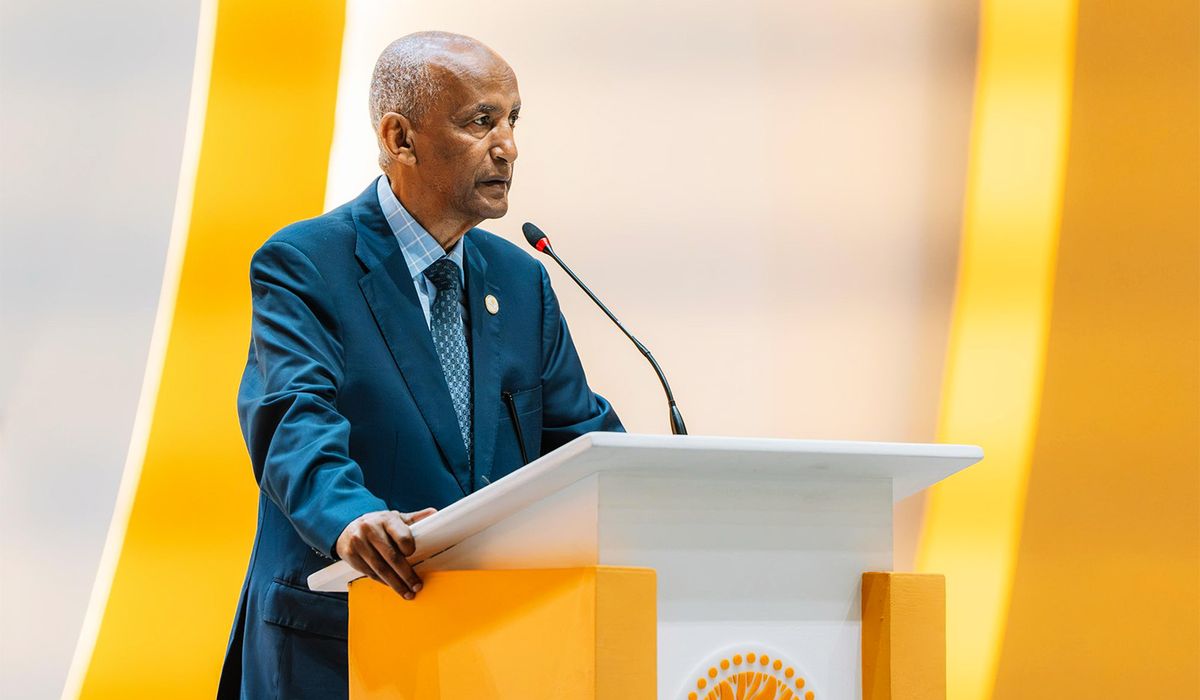
The eight agenda items cover: nation-building and national cohesion; the governance and administrative status of Addis Ababa and Dire Dawa; religious affairs, historical narratives, and national identity; peace, security, and reconciliation; constitutional and federal governance arrangements; institutional development; economic policy and development; and social equity and inclusion. Chief Commissioner Professor Mesfin Araya described the agenda as drawn from proposals submitted by representatives of the Ethiopian people over four years of consultation. Delegates arriving from regions were asked to be in Addis by July 11 to complete orientation sessions covering the dialogue framework, methodologies, discussion procedures, and guiding principles before the main conference opened.
The Commission has made public invitations to political actors and armed groups who did not participate in earlier stages of the process. Former armed groups in the Amhara Region who had laid down arms submitted agenda items to the Commission in February 2026. The Commission’s Chief Commissioner acknowledged at the June press conference that the door remains open to those who have not yet joined, and urged compatriots who had not participated “for various reasons” to come to the dialogue.
National dialogue processes have been used across Africa as a mechanism for managing political crises and post-conflict transitions, with mixed records. Rwanda’s Gacaca courts and national dialogue process, following the 1994 genocide, produced a structured accountability and reconciliation framework that is now studied internationally, though it operated under a single-party political environment. Tunisia’s National Dialogue Quartet, awarded the Nobel Peace Prize in 2015, successfully brokered a political transition after the Arab Spring but ultimately did not prevent the democratic backslide that followed in 2021. South Sudan’s multiple national dialogue processes since independence have not produced durable agreements. Ethiopia’s process is distinct in its scale — 1,234 woredas consulted, 4,000 delegates assembled — and in the depth of the political polarisation it is attempting to address, which includes the aftermath of the Tigray conflict, ongoing security challenges in Amhara and Oromia, and contested questions about federalism and identity that have defined Ethiopian politics since 1991.
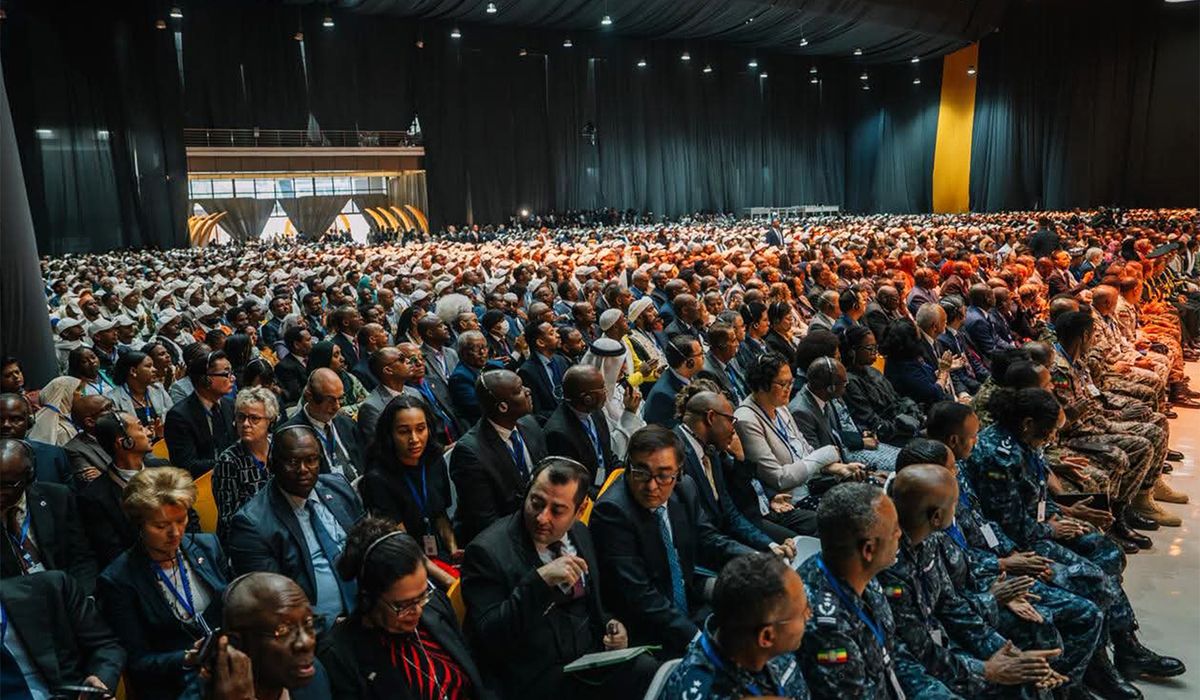
Delegates are housed at the Ethiopian Civil Service University and the Federal TVET Institute. The Addis Ababa City Administration arranged guided visits to the Adwa Victory Memorial Museum and the Red Terror Martyrs’ Memorial Museum for delegates on July 9 and 10 — a deliberate framing of the process within both Ethiopia’s history of resistance and its history of political violence. Emergency medical services are on standby throughout the conference. Childcare services are available for delegates with young children. Accessibility arrangements have been made for participants with disabilities. The Ministry of Transport and regional authorities are coordinating ground and air transport for delegates arriving from remote areas. The UNDP Regional Bureau for Africa sent its Assistant Secretary-General to meet with the Commission ahead of the conference.
The scale of preparation behind today’s opening is verifiable. The Commission consulted 93 percent of Ethiopia’s administrative districts, assembled 4,000 delegates, secured two mandate extensions from parliament, and held orientation sessions through the week before the conference.