With Over 1,000 European Projects Already in Ethiopia, the EU Sets Its Sights on the Newly Opened Financial Sector
With over 1,000 EU firms active locally, Addis Ababa and Brussels are partnering to cut red tape, digitize public services, and draw European capital into banking, energy, and manufacturing.
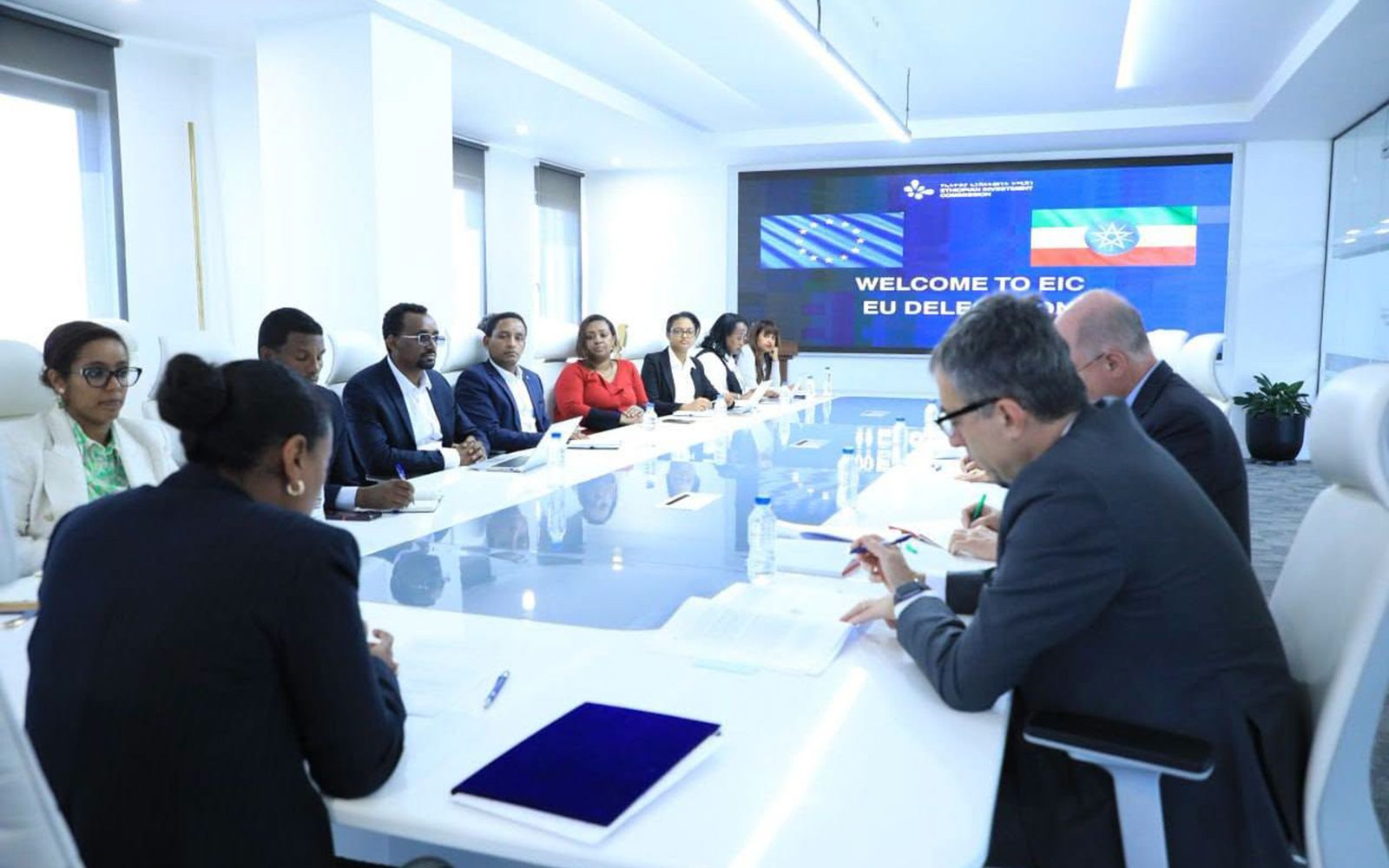
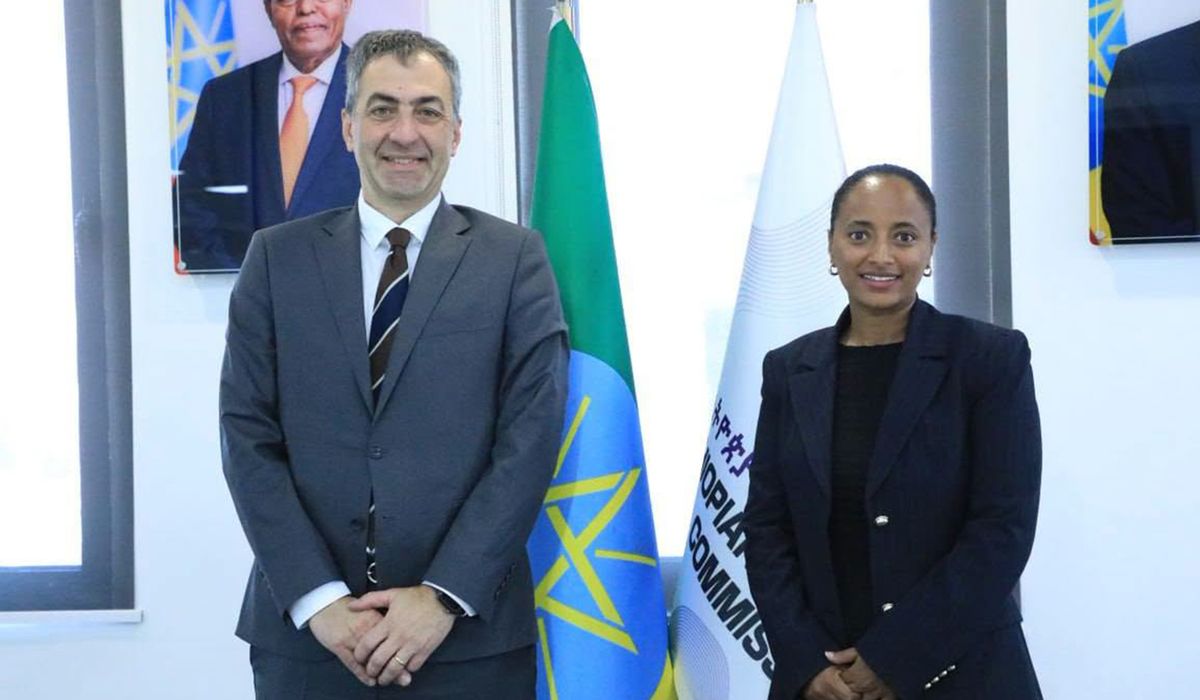
When people talk about foreign investment in East Africa, European companies are often overlooked. Yet more than 1,000 investment projects from European Union (EU) member states are currently operating across Ethiopia, running farms, factories, and service businesses that employ tens of thousands of local workers. Now, following high-level talks in Addis Ababa between Ethiopian Investment Commission (EIC) Commissioner Hana Tehelku and a senior delegation led by Stefano Signore, Director for Africa at the European Commission, both sides are preparing for a major new wave of European business expansion.
The biggest headline from the meeting is where European money wants to go next: banking and finance. For decades, Ethiopia’s financial sector was completely closed to foreign companies. After parliament passed historic banking reforms allowing foreign banks to open local subsidiaries, branches, or buy shares in domestic lenders—and following the launch of the national stock exchange—the door is now open. During the discussions, Signore confirmed that European investors have strong interest in entering Ethiopia’s newly opened financial sector. Having Hana Tehelku at the helm of the Investment Commission after her tenure leading the Ethiopian Capital Market Authority gives foreign banks and investment funds a regulator-turned-promoter who understands exactly how international financial institutions work.
Beyond banking, Ethiopia is pitching European companies to bring long-term, quality Foreign Direct Investment (FDI) into six high-growth areas that directly touch everyday life: manufacturing, agro-processing, renewable energy, pharmaceuticals, infrastructure, and the digital economy. This matches the momentum built earlier this year at the EU–Ethiopia Business Forum 2026 and the EU’s Global Gateway investment package, which focuses on helping Ethiopia process its own coffee and food crops locally, manufacture its own medicines, and expand clean electricity rather than just exporting raw materials.
To keep existing European businesses growing and convince new ones to arrive, both delegations agreed that the practical day-to-day business environment must keep improving. Commissioner Hana and Deputy Commissioners Meleket Sahlu and Dr. Bayisa Bedada called on the EU to expand its technical support in two specific areas:
· Cutting Red Tape with Digital Tools: Modernizing EIC administrative processes through digital technology so that licensing, permits, tax incentives under Ethiopia’s updated 2026 investment incentive rules, and customs clearances happen quickly online instead of getting stuck in paper queues.
· Direct Problem-Solving Platforms: Strengthening Public-Private Dialogue (PPD) mechanisms—regular, structured working tables where existing European business owners sit directly with Ethiopian government officials to clear bottlenecks in logistics, taxation, and regulation before small issues become major roadblocks.
With Ethiopia’s newly rebased economy now valued at $201.4 billion—making it the third-largest market in Sub-Saharan Africa—the message from Addis Ababa is clear. The country is no longer just asking for traditional development aid; it is building a modern, rule-based investment partnership. Having more than 1,000 European projects already operating on the ground proves that long-term businesses can succeed in Ethiopia, and opening up banking, digital services, and industrial value chains sets the stage for the next thousand.