
Here Is How Google and the Gates Foundation’s $100 Million AI Push Will Actually Reach African Farmers
A massive joint fund aims to reach 200 million smallholders with local-language phone alerts, accurate weather forecasts, and satellite maps that unlock bank loans.
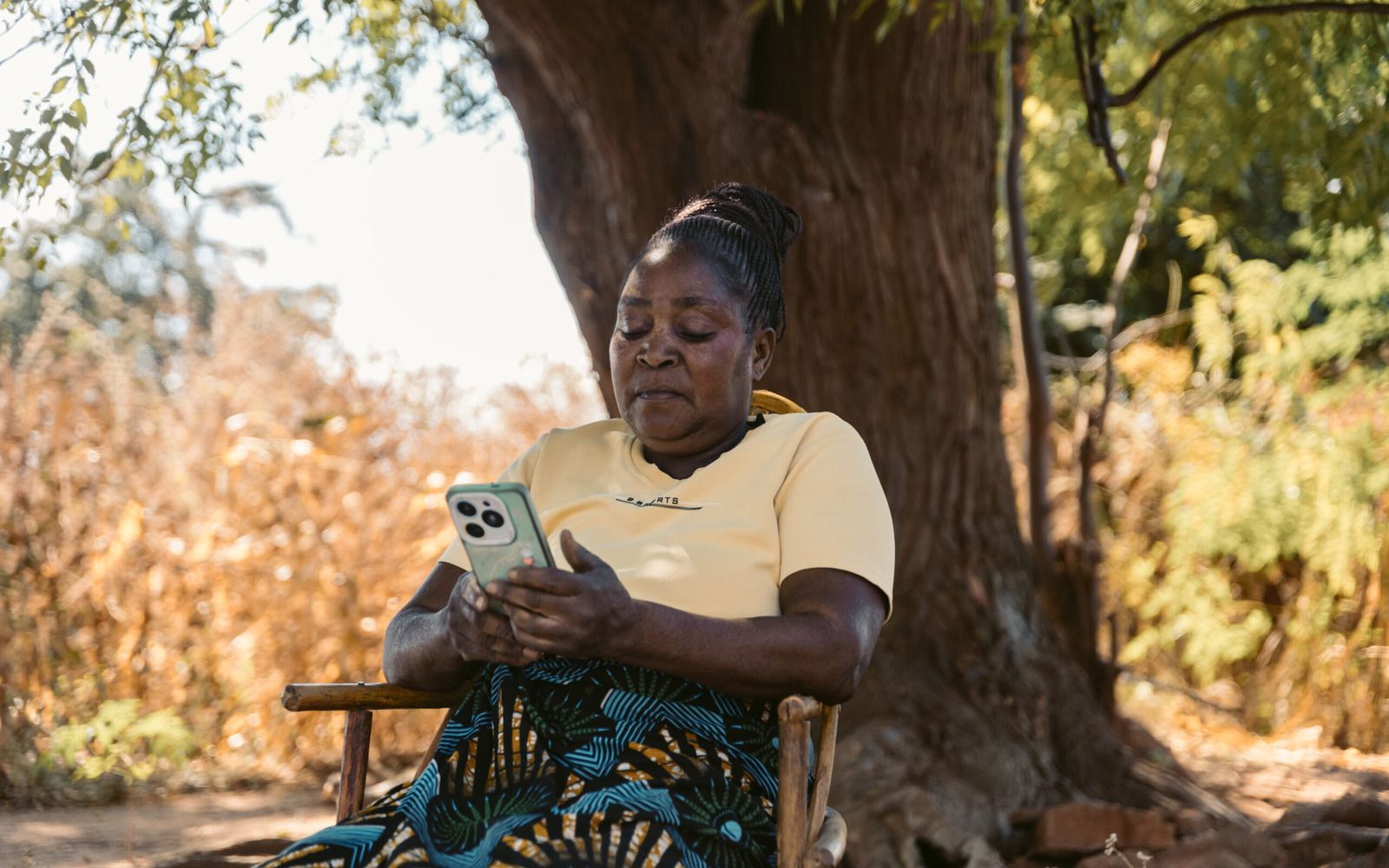
Google and Gates Foundation have launched a $100 million initiative to scale artificial intelligence for 200 million smallholder farmers across Sub-Saharan Africa and South Asia. Moving beyond high-level tech jargon, the funding is built to put practical tools directly into farmers' hands—delivering daily weather warnings, crop health advice, and local-language answers straight to their phones.
A core part of the plan tackles a basic reason small farmers stay poor: banks cannot see them. Because roughly 85 percent of farms in developing countries are small, irregular plots that standard satellite imagery misses, banks usually refuse to lend to them. Through a new tool called the Agricultural Understanding Platform, the initiative maps out small field boundaries down to individual plots. By tracking crop growth across the season, it gives farmers proof of their harvest so they can finally qualify for crop insurance and bank credit.
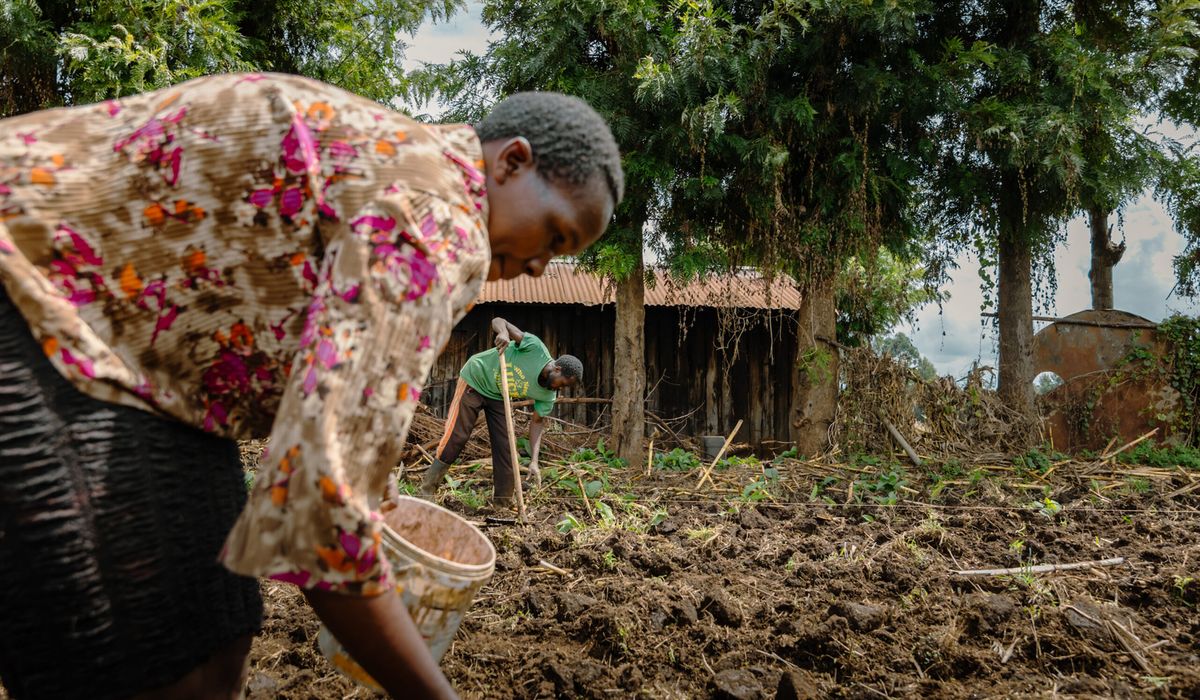
The money also expands TomorrowNow, a weather forecasting system backed by the UK government, which turns general forecasts into village-level rain predictions so farmers know exactly when to plant and fertilize. At the same time, agricultural scientists at CGIAR will use the technology to speed up breeding crops that survive harsh droughts and heatwaves.
Rather than shipping data off to foreign servers, the grant funds local African and Indian developers—including Digital Green and Wadhwani AI—ensuring that the tools, data, and technology stay in the countries where farmers use them.