
Ethiopia's Fayda ID System Takes Runner-Up Honors at Two Global Digital Awards in New York.
The biometric platform placed second at both the Digital@UNGA Awards (behind Ukraine’s Diia) and the 50-in-5 Awards, global recognition for a system Ethiopia built entirely without purchasing foreign software.
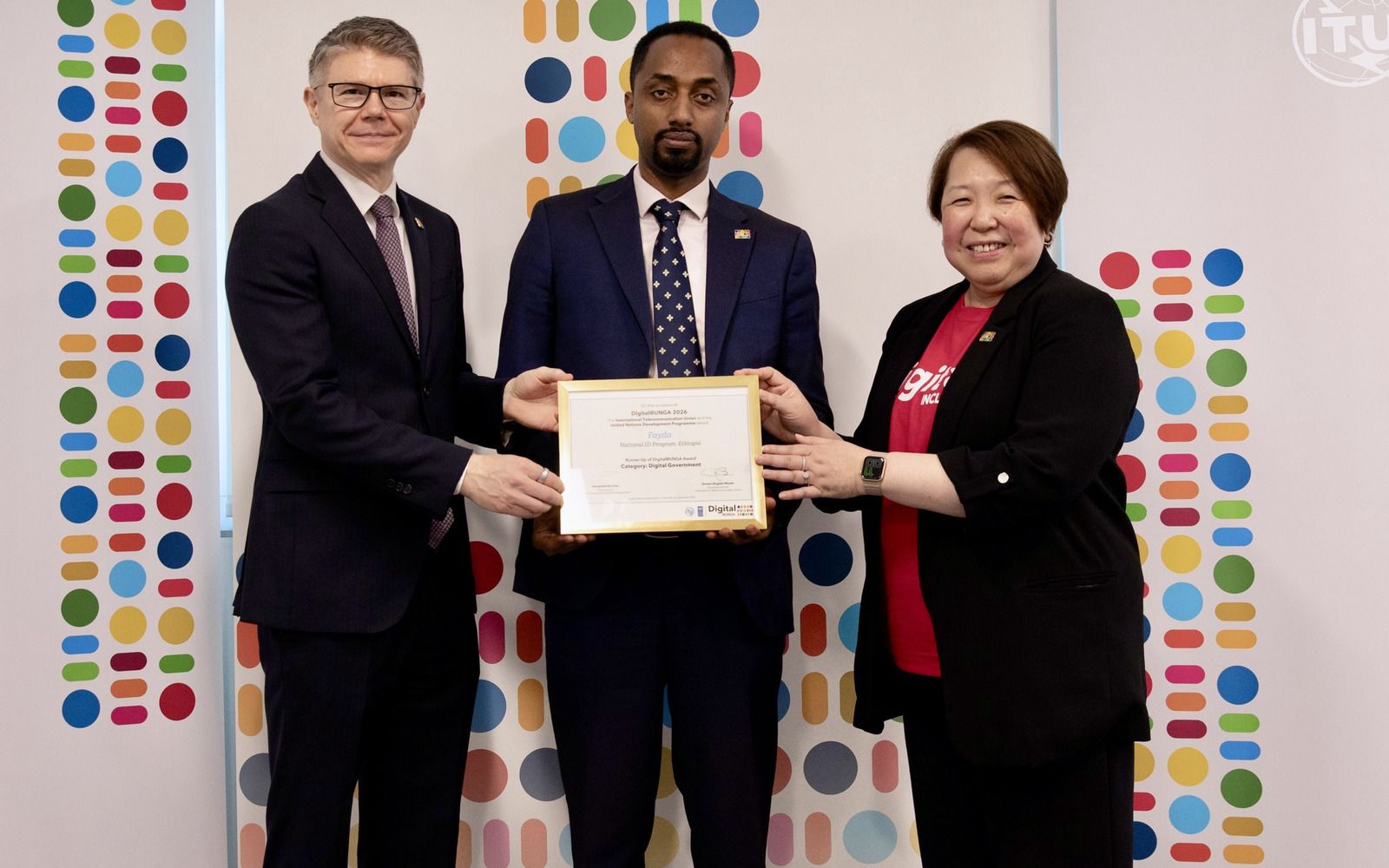
Ethiopia's National ID Program was among the finalists the International Telecommunication Union shortlisted for the category before announcing winners at the ceremony. More than 1,500 submissions were received across all four 2026 award categories, assessed on innovation, partnerships, impact, scale and contribution to global digital priorities. Fayda is built and operated domestically by the FaydaVerse Digital Solutions Enterprise, rather than run on commercial identity-management software licensed from a foreign vendor.
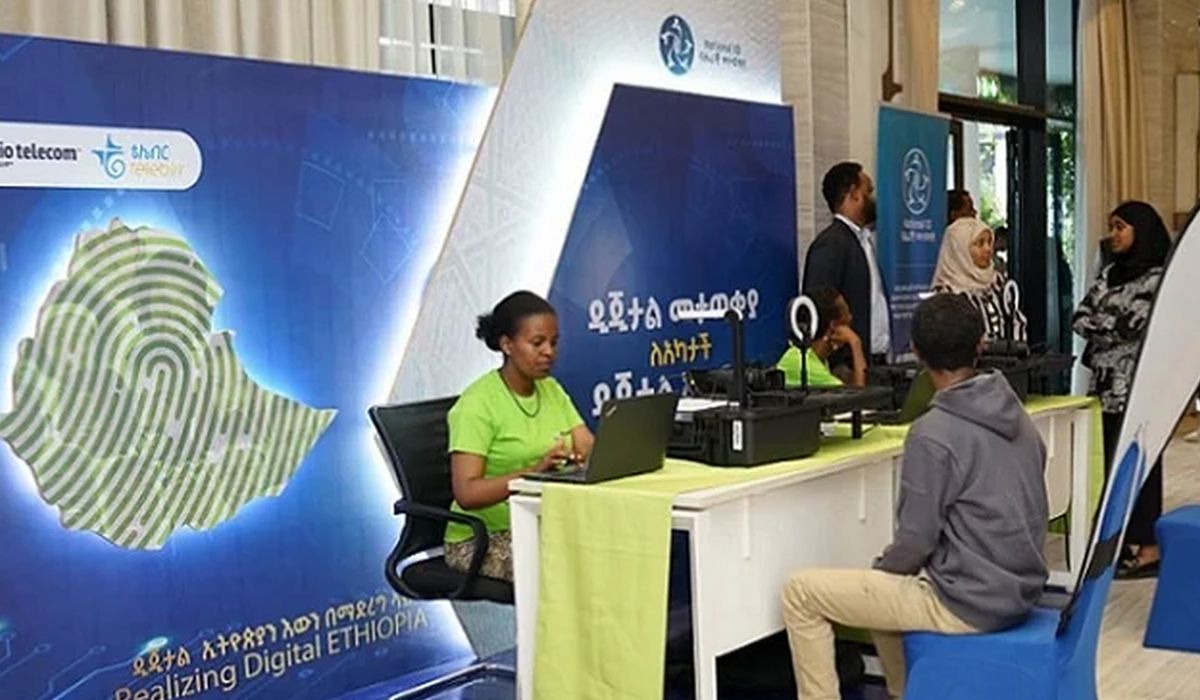
The system now handles up to two million digital verifications a day and has processed more than 190 million authentications in total, the scale that underpinned its case for the award. Every one of those verifications is a transaction a bank, telecom or federal agency previously had to complete through manual, paper-based checks, or through licensed foreign software instead of Ethiopia's own platform. Building the identity architecture domestically means the state carries the upfront research and development cost, while banks and other institutions integrating with Fayda pay only the marginal cost of connecting to it — cutting out the recurring licensing fees international identity-management vendors would otherwise charge.
The same platform's leadership took a second runner-up placement days later, in the Leadership category of the 50-in-5 Awards, organized by the Digital Public Goods Alliance on the sidelines of the UN General Assembly in New York on September 21. Ethiopia has been a "First-Mover" country in the 50-in-5 campaign since its 2023 launch, alongside Bangladesh, Estonia, Singapore and eight other governments committed to building interoperable digital public infrastructure. The category's top spot went to Brazil's Esther Dweck, Minister of Management and Innovation in Public Services.
Two runner-up finishes in one week are not the same as owning the category. Ethiopia's own account of the recognition credits Fayda with extending financial inclusion and social protection to remote communities without international intermediaries.