
Ethiopia Earns Record $11.2 Billion in Exports and Ships First Goods Under Africa’s Free Trade Agreement.
Ethiopia beat its export target by 19 percent and reported its first $15 million in shipments under the AfCFTA framework — 65 percent of all AfCFTA trade in the East African region during the fiscal year.
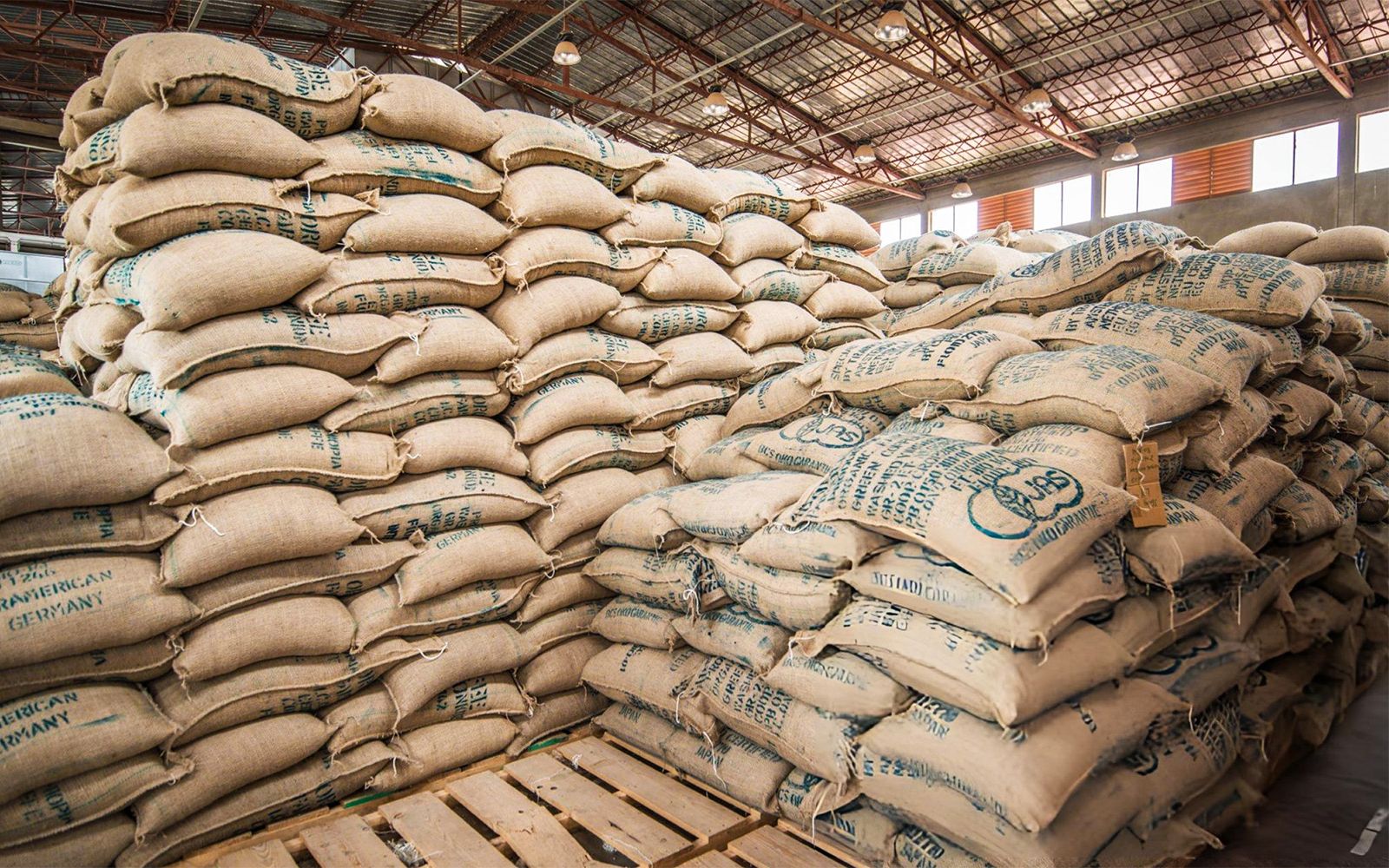
Ethiopia’s export earnings reached $11.195 billion in the 2025/26 fiscal year, against a government target of $9.4 billion — 119 percent of plan. Trade and Regional Integration Minister Kassahun Gofe reported the figure at the 9th Trade and Regional Integration Sector Forum in Hawassa on July 11. Coffee drove the largest share. Two fiscal years ago, in 2023/24, merchandise exports stood at $3.21 billion. The Birr devaluation of July 2024, which made Ethiopian goods cheaper for foreign buyers, accounts for much of the shift.
Within the $11.2 billion, the minister reported $15 million in exports shipped under formal AfCFTA procedures — the first time Ethiopia has traded under the African Continental Free Trade Area’s tariff schedules and rules of origin. That $15 million is 65 percent of the $23 million in total AfCFTA-framework trade recorded across the East African region in the same period. AfCFTA entered into force in January 2021 but operational trading under its procedures has rolled out progressively. Ethiopia has now begun processing AfCFTA shipments through both air and land cargo.
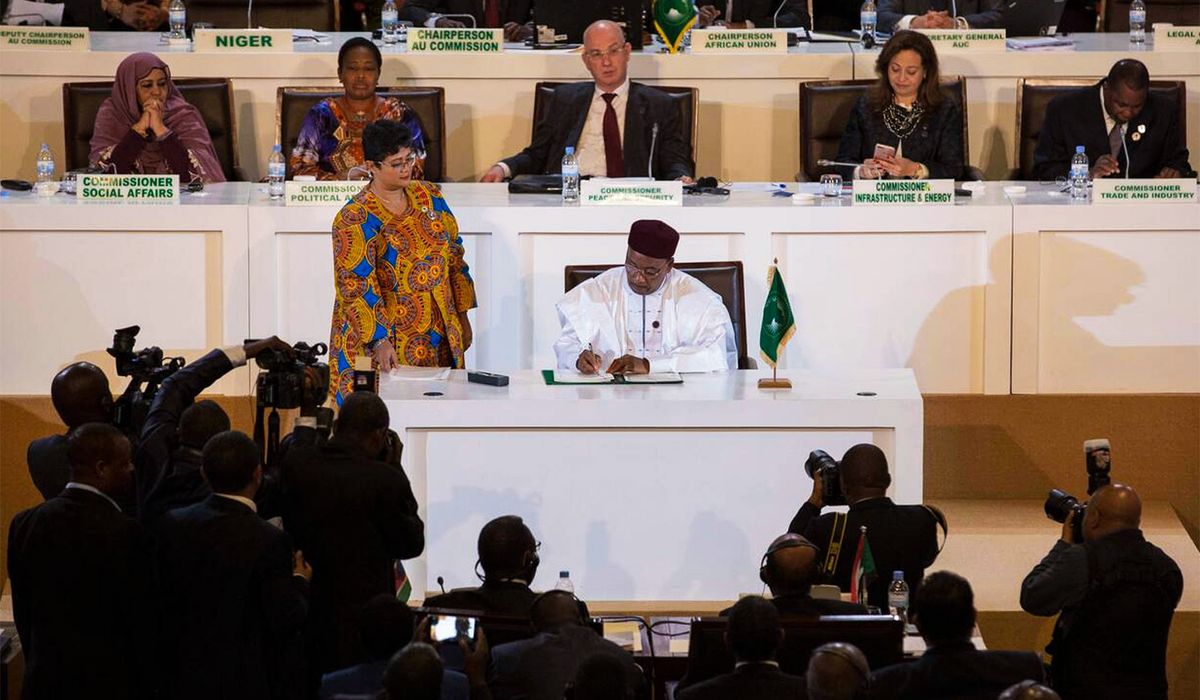
AfCFTA covers 54 countries, 1.3 billion people, and a combined GDP of $3.4 trillion. Before it launched, intra-African trade stood at 16 percent of the continent’s total trade, against 59 percent in Asia and 68 percent in Europe. Customs dwell times at implementation averaged 126 hours and logistics costs ran nearly double the global average — structural barriers that the agreement is designed to reduce. Intra-African trade is projected to grow 6.6 percent annually between 2025 and 2028, adding $261 billion to continental GDP. Ethiopia’s $15 million is 0.13 percent of its own total export earnings and 65 percent of what the region shipped under AfCFTA in year one.
3.4 million business licences were issued through digital platforms during the fiscal year. The ministry set up more than 805 weekend consumer markets across the country to improve domestic market access and stabilise prices. Authorities took legal action against more than 93,000 unlicensed business operators following nationwide inspections.
Ethiopia concluded bilateral market access agreements with nine countries as part of its WTO accession negotiations during the fiscal year, with the minister saying the process should reach a decisive stage in the next fiscal year. WTO membership underpins AfCFTA participation: the agreement’s rules of origin, tariff schedules, and dispute resolution are calibrated around WTO standards. Kenya, Tanzania, Uganda, Rwanda, and Djibouti are all WTO members. Ethiopia and Eritrea are the only countries in the East African trading zone that are not.
Ethiopia beat its export target by 19 percent in a year of currency pressure, high inflation, and a Middle East oil shock that raised its import bill by $2.63 billion. The $15 million in AfCFTA trade is a first transaction, not a trade policy outcome. The World Bank projects AfCFTA could add $450 billion to African GDP by 2035. Customs harmonisation, digital trade systems, and WTO accession are the conditions that determine how much of that Ethiopia captures.