
South Africa Presses Ahead With 5,200 MW of Nuclear Power Despite Safety Incidents.
Africa’s most industrialized economy South Africa and its second most populous, Ethiopia are both moving toward nuclear power, from opposite directions.
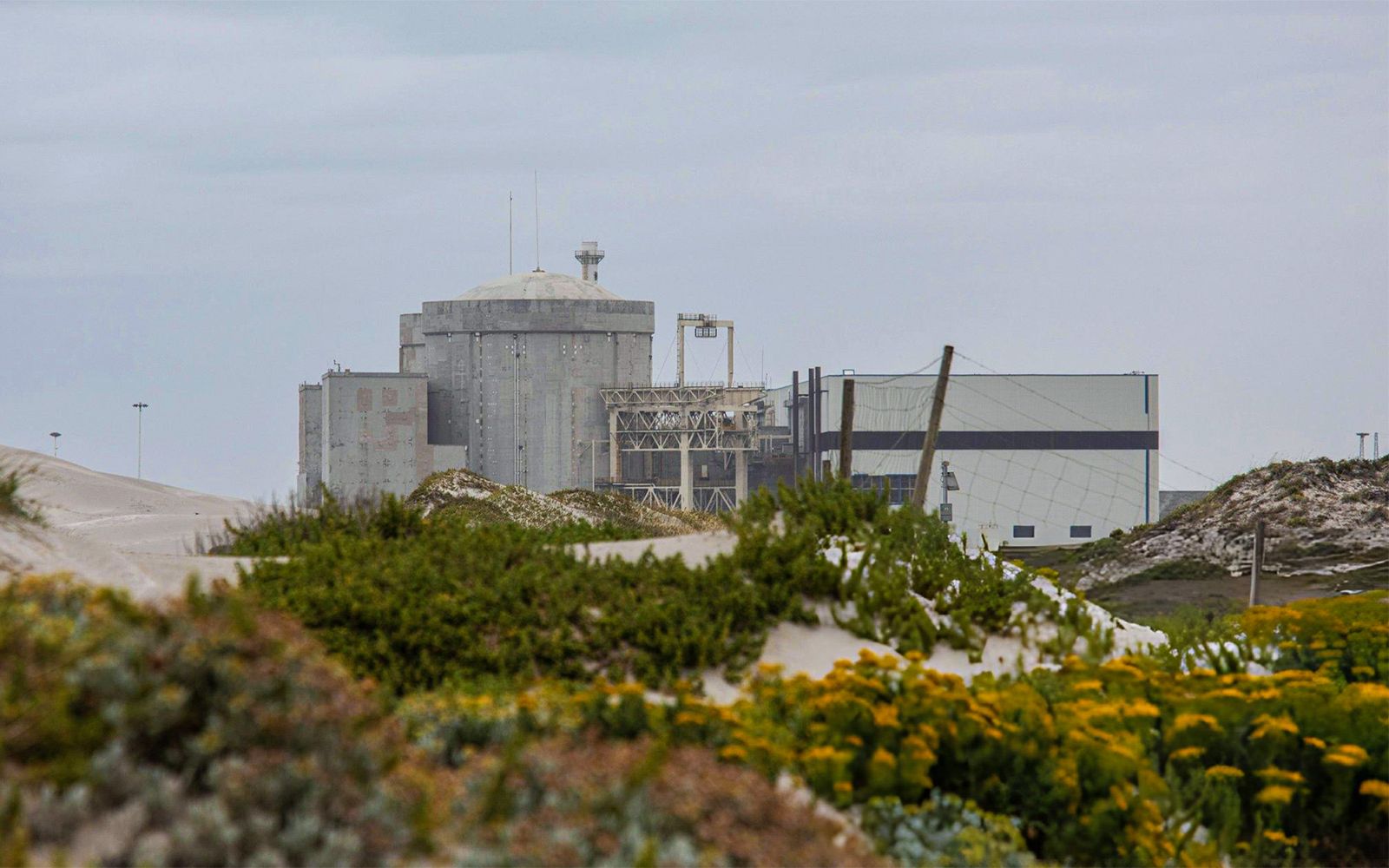
South Africa’s Electricity and Energy Minister Kgosientsho Ramokgopa confirmed on July 19 that the government is pressing ahead with plans to procure 5,200 megawatts of new nuclear capacity, despite three radioactive contamination incidents at the Koeberg Nuclear Power Station in early July. The minister described the events as minor, fully contained, and posing no public health risk. Koeberg, located 30 kilometres north of Cape Town, is Africa’s only operating commercial nuclear power station. It has two reactors of 920 megawatts each and has supplied electricity to the Western Cape grid since 1984. The new 5,200 MW procurement is part of South Africa’s $116 billion energy transition plan, which aims to shift the country away from coal — currently supplying over 80 percent of its electricity — by 2039.
5,200 megawatts is enough electricity to power roughly 4 million South African households simultaneously. South Africa’s total installed generation capacity is around 58,000 megawatts, but the grid regularly loses between 4,000 and 8,000 megawatts to ageing coal plant breakdowns, the condition that produced the rolling blackouts — load shedding — that cost the economy an estimated R1.2 billion per day at peak in 2023. New nuclear capacity that runs at over 90 percent availability, unlike solar at 25 percent and wind at 35 percent, addresses a specific problem: South Africa needs power that runs at night, in winter, and when there is no wind. Nuclear does that. No renewable source does it alone.
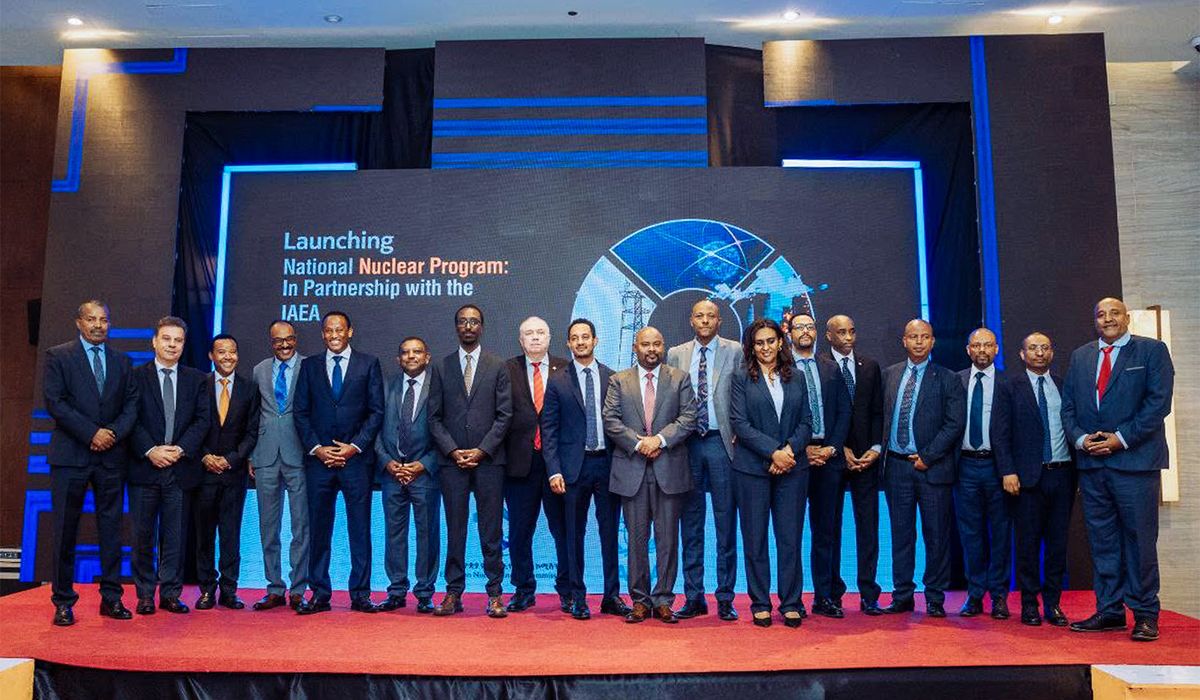
Ethiopia established the Ethiopian Nuclear Energy Commission in October 2025 and officially launched its national nuclear power programme in December of the same year, with the IAEA’s Deputy Director General in attendance. The programme targets two 1,200-megawatt reactors, built with Rosatom, the Russian state nuclear corporation, by the mid-2030s. A Non-Disclosure Agreement and detailed roadmap were signed between ENEC and Rosatom in January 2026, building on a September 2025 Comprehensive Action Plan signed in Moscow. Two 1,200-megawatt reactors would add 2,400 megawatts to Ethiopia’s grid — roughly doubling its current total installed capacity of around 2,300 megawatts. In a country of 130 million people where only 45 percent of the population has electricity access, that scale of addition matters.
Ethiopia generates over 90 percent of its electricity from hydropower, meaning that a drought year cuts the country’s electricity supply in ways a coal or nuclear system does not. The Grand Ethiopian Renaissance Dam alone adds 6,000 megawatts of capacity to the grid when fully operational, but its output drops significantly in low-rainfall years. The government’s green steel programme, electric vehicle transition, and fertilizer complex at Gode all require a reliable power supply that does not fluctuate with rainfall. Nuclear provides that baseload. The IAEA, the World Bank, and the Paris Declaration of June 2025 have all endorsed African nuclear development as part of the Mission300 initiative to deliver electricity to 300 million sub-Saharan Africans by 2030.
Ghana has been in site selection for its first nuclear plant for over a decade, with a 100-megawatt small modular reactor now under consideration. Kenya has signed nuclear cooperation agreements with South Korea, Russia, and the United States. Rwanda signed a nuclear cooperation deal with the US in 2023. Egypt’s El-Dabaa plant, built by Rosatom, broke ground in 2022 and is expected to produce 4,800 megawatts when all four units are online by 2030 — making it the continent’s largest nuclear energy project outside South Africa. The common thread is baseload power: electricity that runs continuously regardless of weather, on a continent where 600 million people still lack grid access and industrial growth is demanding supply that solar and wind alone cannot guarantee.
South Africa has been running nuclear power since 1984 and is expanding it. Ethiopia signed its first nuclear cooperation agreement five years ago and is building the institutional infrastructure to host a reactor in the next decade. Ethiopia’s IAEA Country Programme Framework for 2024–2028 integrates nuclear planning into energy, health, and agricultural priorities simultaneously, which is the sequencing the agency recommends: build the regulatory and human infrastructure before the reactor, not alongside it. The Koeberg incidents in South Africa, minor as they were, demonstrate what it costs to manage nuclear safely over four decades. Ethiopia is learning that lesson from the planning stage rather than from experience. The IAEA’s presence at Ethiopia’s programme launch in December 2025 was its public signal that the approach is on the right track.