
IMF Sends Ethiopia $200 Million Early to Help with Middle East War-Related Costs
Early IMF disbursement helps Ethiopia absorb rising fuel and fertiliser costs linked to the Middle East conflict.
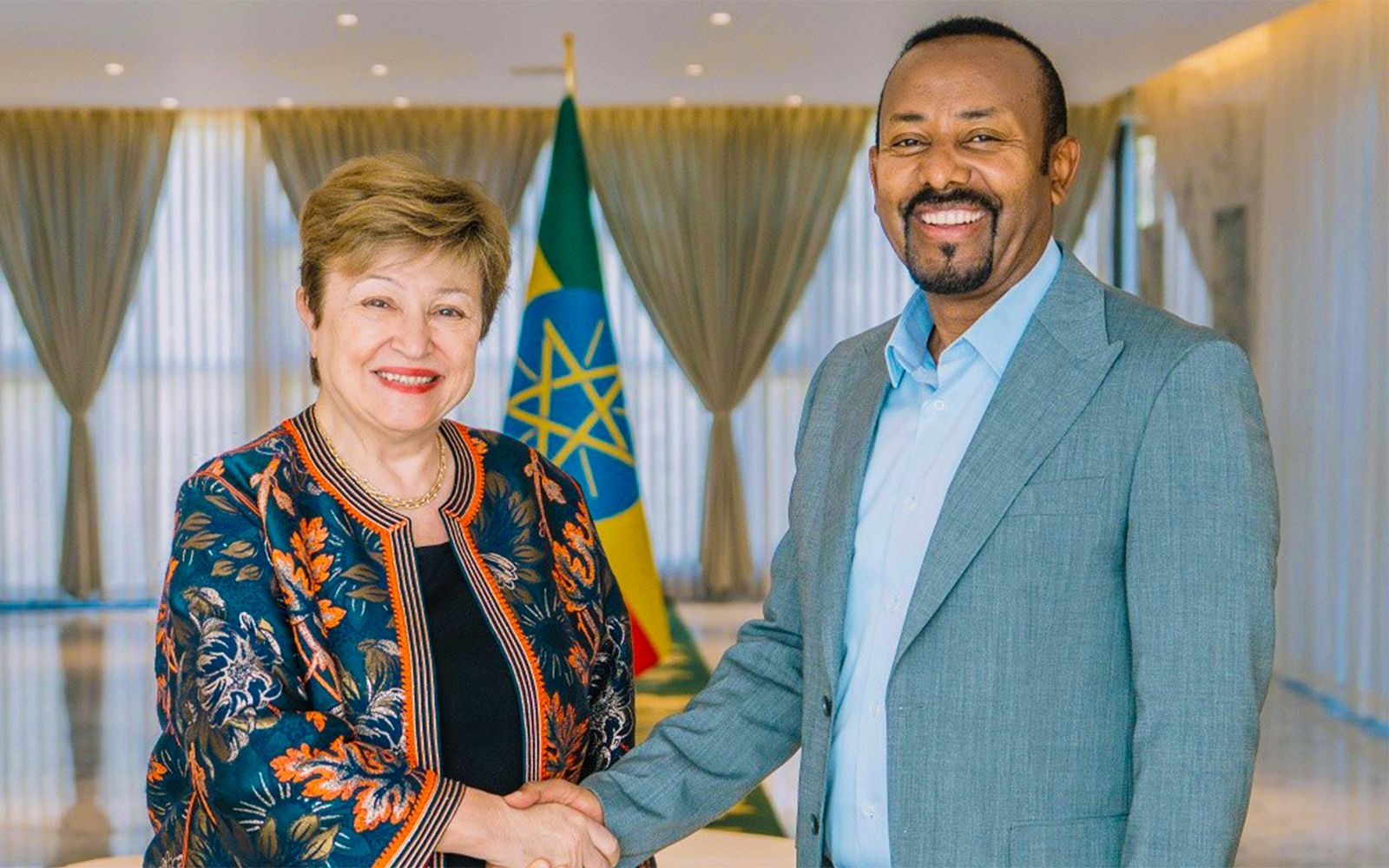
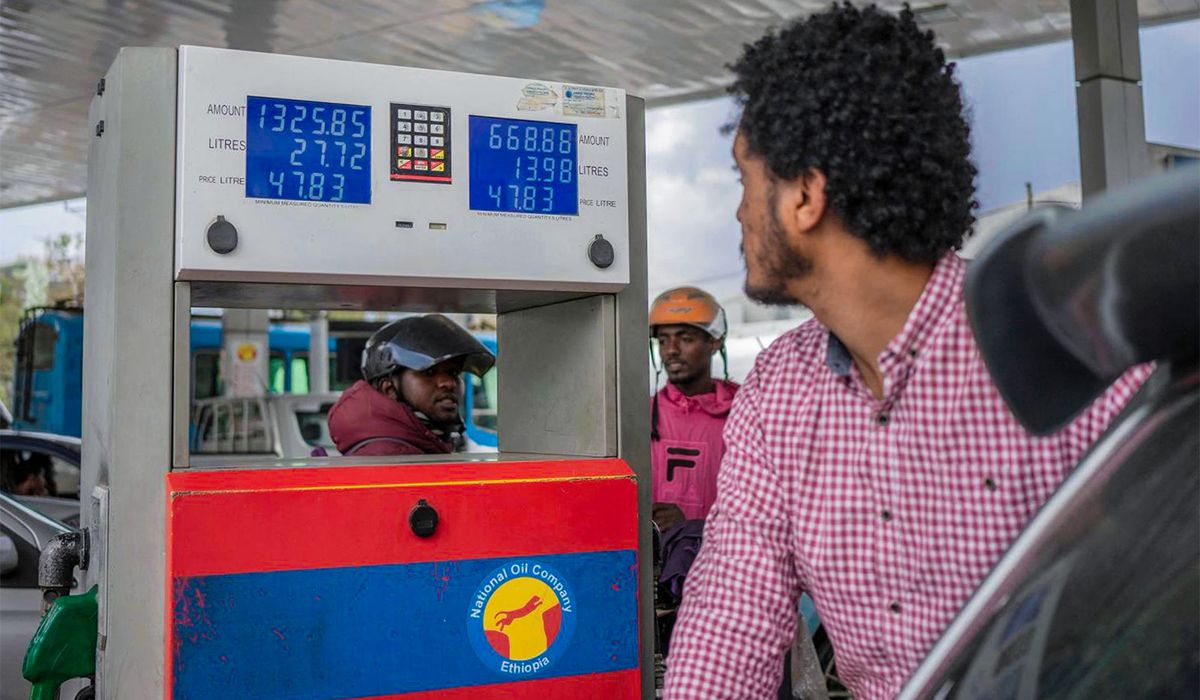
The IMF has brought forward about $200 million in financing to Ethiopia — roughly two and a half weeks — of Ethiopia's fuel import costs — to help the country absorb higher fuel and fertiliser costs caused by the war in the Middle East. Fund officials describe it as a rephasing rather than new money: cash already committed under Ethiopia's program, released early to soften a temporary shock. (IMF statement)
The move sits inside Ethiopia's $3.4 billion, four-year Extended Credit Facility (ECF) arrangement, approved in July 2024 to back the government's Homegrown Economic Reform Agenda. Four completed reviews have already released about $2.18 billion — including a $261 million tranche in January. (IMF, January 2026)
A bigger tranche is next in line. IMF staff and Ethiopian officials reached agreement on June 3 on the program's fifth review, opening the door to a further $468 million pending final sign-off from the Fund's Executive Board. Approval would lift total support under the arrangement to roughly $2.65 billion, with about $750 million left in the pipeline after that. (IMF, June 2026)
The IMF projects real GDP growth of 9.3% for this fiscal year, up slightly from 9.2% the year before — among the fastest rates on the continent. Inflation, which topped 26.6% just two years ago, is now expected to average 11.9%, a more than halving in two years. Exports, reserves, and government revenue have all kept climbing even as the regional shock hit. (Addis Standard)
Debt relief is also moving in Ethiopia's favour. Bilateral agreements with China (April 2026) and France (February 2026), on top of a 2025 understanding with the wider Official Creditor Committee, now cover roughly $8.4 billion of public debt and are set to deliver about $2.5 billion in debt-service relief between 2023 and 2028 — real breathing room for the budget. Talks with private Eurobond holders over the country's defaulted $1 billion bond are still unresolved, but that's a smaller, more contained piece of the puzzle next to the progress made with official creditors. (Kenyan Wallstreet)
Ethiopia's IMF footprint is modest next to the continent's biggest borrowers. Egypt currently carries the largest outstanding IMF credit in Africa, followed by Côte d'Ivoire and Kenya; Ghana has also climbed into the top tier at roughly $3.7 billion outstanding. Ethiopia's balance is smaller than all four — and unlike Kenya, whose program stalled in 2025 after missed reform targets, or Ghana, which needed a post-crisis rescue in 2022, Ethiopia has kept every review on schedule so far. (Tuko / IMF data)
Ghana offers a preview of where a clean track record can lead: after several years of ECF support, the Fund says Ghana's program has delivered enough stabilisation — lower inflation, stronger reserves, a steadier cedi — that Ghana is now transitioning from IMF financing toward a lighter-touch policy-monitoring arrangement. (Africa Newsroom)
The Fund's asks are familiar and, notably, framed as fine-tuning rather than an overhaul: keep monetary policy tight enough to protect the inflation gains, continue liberalizing the foreign exchange market, phase out fuel subsidies gradually, and begin a measured exit from the cap on private-sector credit growth as Ethiopia shifts toward an interest-rate-based monetary framework — a sign the Fund sees the current setup as close to done, not broken.