
High Turnout and Big Expectations: Ethiopians Flock to Polling Stations for Historic Election
Ethiopia votes. More than fifty million times.
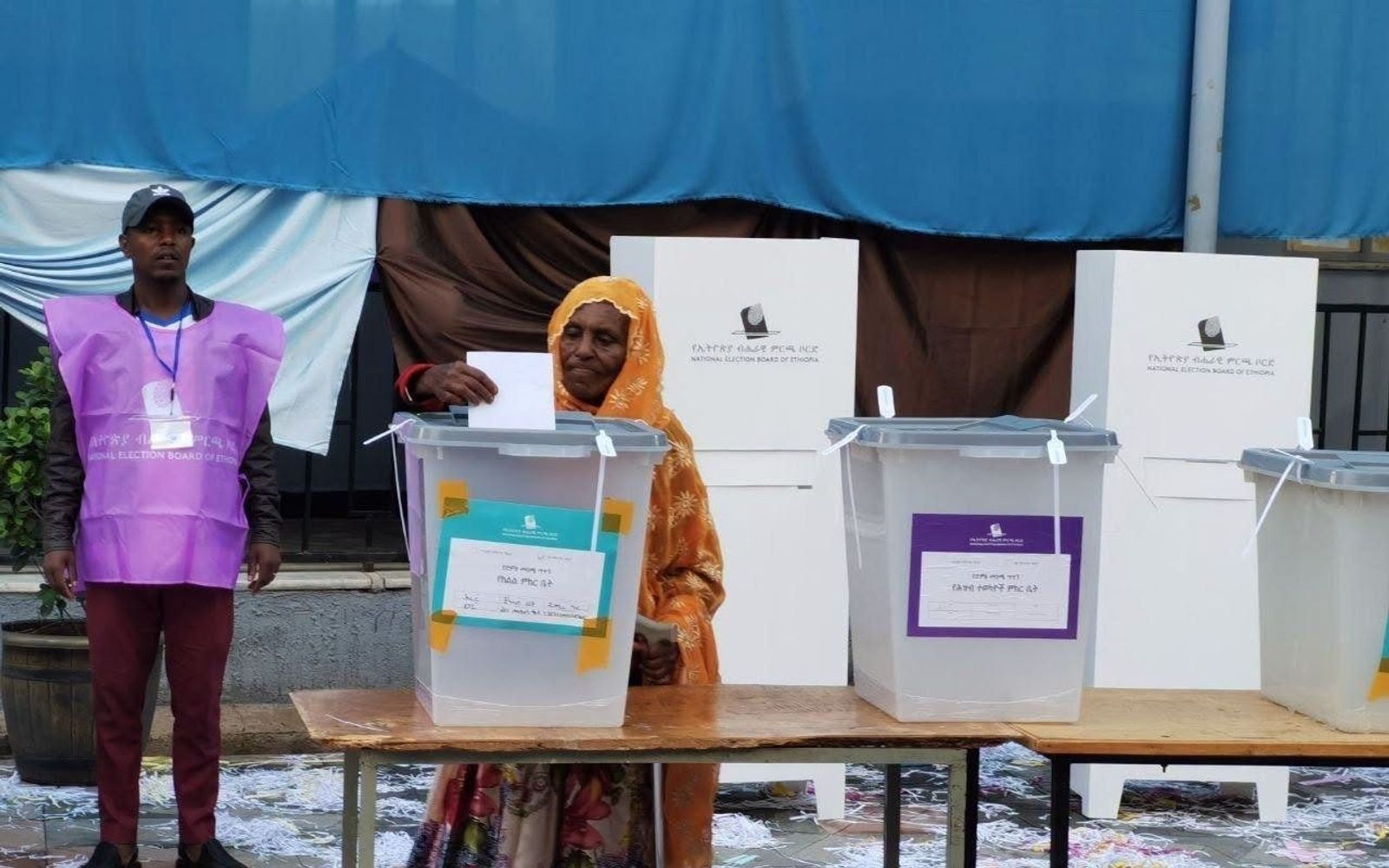
The scale of what happened in Ethiopia today is easier to feel than to explain. More than fifty million people — registered, card-carrying, showing up — cast a ballot in a country of 130 million. Put that in context: Kenya, Africa’s democratic bellwether, runs its elections on a roll of roughly 22 million. Nigeria, the continent’s most populous nation, had 93 million registered voters in its last general election and only a quarter of them voted — just over 25 million people physically walked into a booth. Ethiopia, with half Nigeria’s population and a fraction of its GDP, has mobilised more actual voters than Nigeria produced on polling day. That is not a minor administrative achievement. It is a statement about civic appetite in a country that observers have spent months writing off.
The 54 million figure was confirmed by Melatwork Hailu the chief of the election board, described as unprecedented in the country’s democratic history. Registration ran between March 7 and May 2 through a hybrid system combining in-person centres and the new “Mirchaye” — meaning “My Choice” — digital platform. That platform reached voters in Gambella, in Afar, in the Somali Region — places where getting a government ID has historically been harder than getting to the nearest tarmac road. The number did not arrive by accident.
The registration figure sits there, stubbornly, as a data point that no narrative of democratic backsliding fully absorbs. Fifty million people, in this country, did the paperwork. They completed the digital form or stood in the queue. They accepted the card. Whatever their reason, a desire to have their name on a list that the state must acknowledge — they are registered. They are countable. This is the moment Ethiopia renews its social contract.
The question that comes after June 1 is not simply who won. It is what a government does when it knows that fifty million people were paying attention enough to show up — and whether it governs differently because of that number, or not at all. That answer will take longer than a single day to arrive.