
Ethiopia's Afar Region, Known for Its Arid Plains, to Host the Date Palm Festival for the Second Time
Local harvests slash foreign procurement expenditures from $9.8 million down to $650,000 as the UAE-backed agricultural initiative eyes a 25,000-hectare expansion across the lowlands.

Ethiopia's Afar Region—known for its blistering volcanic plains and vast arid climate—is set to host the International Date Palm Festival for the second time. Scheduled from September 20 to 22, 2026, in the regional capital of Semera, the gathering coordinates growers, researchers, and agronomists to consolidate a rapidly expanding cash crop sector. Data published by the Ministry of Agriculture confirms that domestic harvests have functionally halted foreign procurement. Annual import expenditures fell from $9.8 million down to just $650,000 over recent cycles. Converted at 157 Birr to the dollar, that represents over 1.4 billion Birr retained within the domestic agricultural economy, shielding local supply chains from heavy hard-currency outflows.
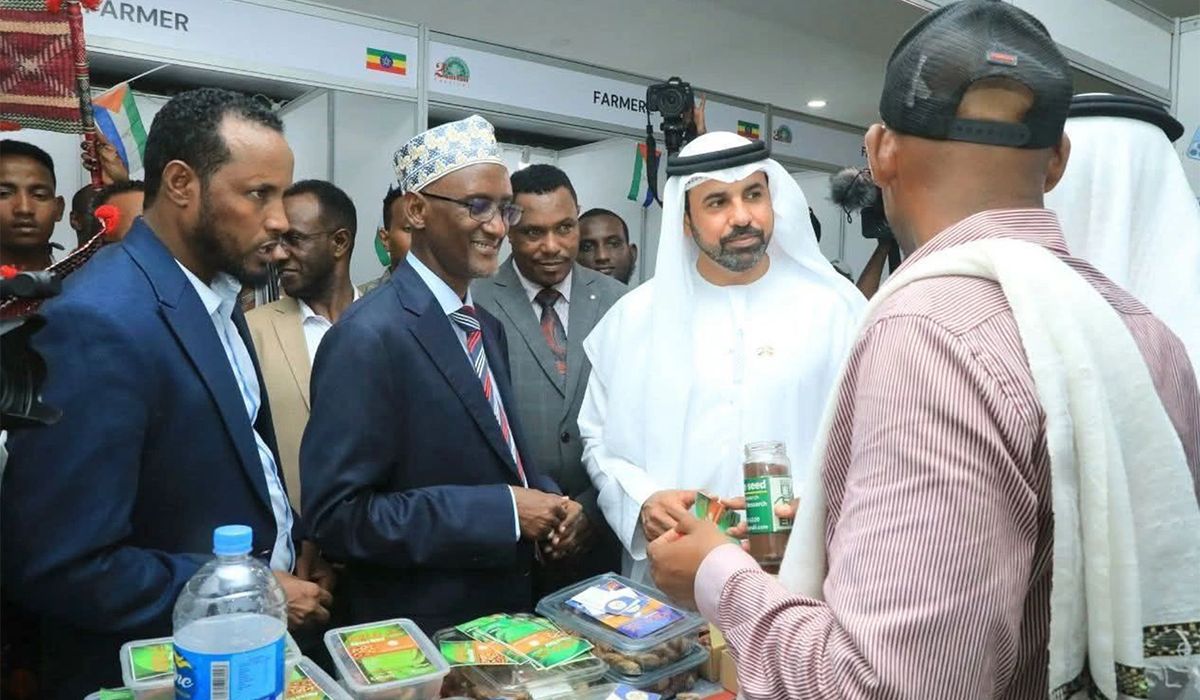
The festival operates in direct partnership with the United Arab Emirates through the Khalifa International Award for Date Palm and Agricultural Innovation. Professor Abdelouahhab Zaid, the award's secretary-general, positions the Semera event as a capacity-building platform designed to transition subsistence plots into commercial orchards. While the nation possesses up to 700,000 hectares of land suitable for cultivation across Afar, Gambella, Benishangul-Gumuz, and the southern Oromia rifts, current operations utilize only 1.5 percent of that footprint. A ten-year federal expansion targets scaling the cultivated area from 6,000 to 25,000 hectares. To eliminate the remaining imports entirely, the state has set an operational yield baseline of 158 quintals per hectare.
Financial backing from the UAE provides the necessary technical scaffolding. Last year, the inaugural festival distributed cash prizes to top regional performers, such as the Haji Yousuf Debelayitu Cooperative, incentivizing the adoption of heat-tolerant varietals and modern packaging standards. By pushing commercial production deep into the lowland states, the initiative diversifies the national export portfolio away from its historical dependency on highland coffee.