
Ethiopia Becomes the First Country to Have Carbon Credits Verified Under the World Bank’s Forest Landscape Programme. The Credits Are Worth Up to $372 Million.
The verified 12.4 million tonnes of emissions reductions are equivalent to taking every gas powered car in Addis Ababa off the road for more than four years.
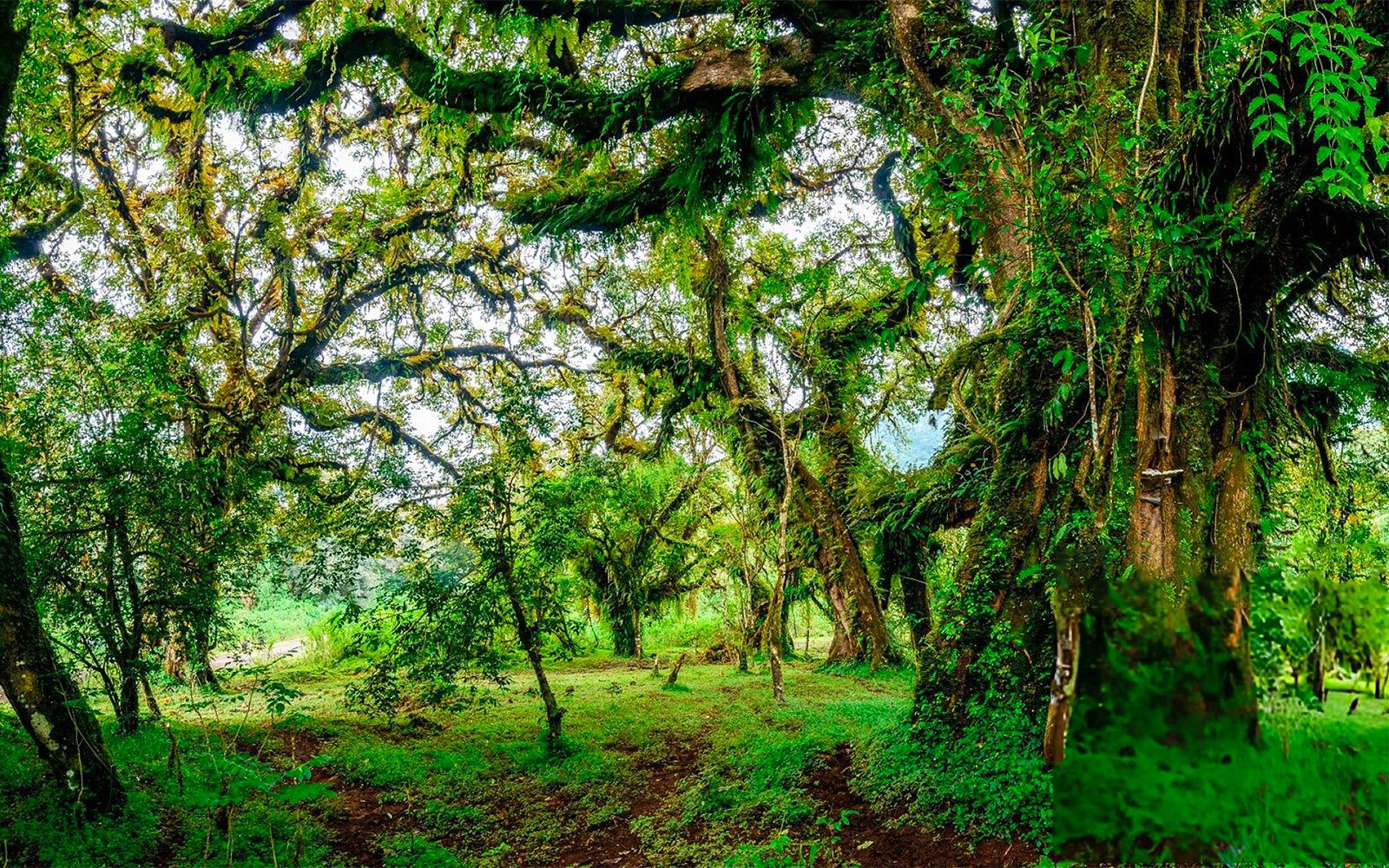
The World Bank’s BioCarbon Fund Initiative for Sustainable Forest Landscapes has issued 12.4 million verified emission reductions under Ethiopia’s Oromia Forested Landscape Programme — the first country in the ISFL’s history to reach this milestone. Each verified emission reduction represents one tonne of carbon dioxide kept out of the atmosphere by protecting forests and managing land sustainably in Oromia Region. 12.4 million tonnes is the equivalent of taking roughly 2.7 million cars off the road for a year — or shutting down a medium-sized coal power plant for five years.
Carbon credits trade at varying prices depending on the market and the quality of verification. Voluntary carbon market prices for high-integrity, independently verified forest credits currently range from $10 to $30 per tonne. Ethiopia’s 12.4 million credits are therefore worth between $124 million and $372 million depending on where and how they are sold. The original 2023 Emission Reductions Purchase Agreement between Ethiopia and the World Bank unlocked up to $40 million for the first phase of the programme. Verified credits can now be sold beyond that initial agreement to additional buyers at current market prices, with a structured Benefit Sharing Plan directing a portion of the revenue to local communities in Oromia.
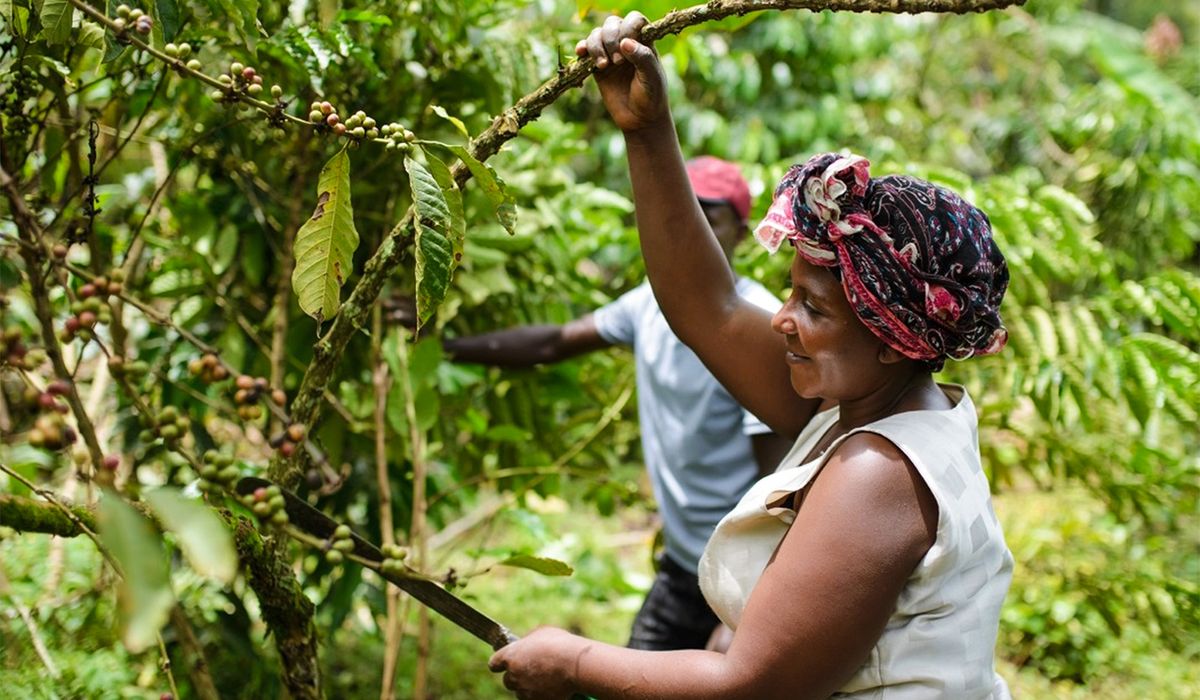
Oromia Region covers roughly 363,000 square kilometres — larger than Germany — and contains significant forest cover including the highland forests that are the original home of Arabica coffee. Deforestation in the region has accelerated as agricultural expansion, charcoal production, and population growth have put pressure on forest land. The ISFL programme pays communities and government institutions for measurable, verified reductions in that deforestation rate, measured against a historical baseline. The ISFL currently supports similar programmes in Colombia, Indonesia, Mexico, and Zambia, but Ethiopia is the first to have emission reductions formally issued and ready for market sale.
A second phase of the programme is already in preparation, with an updated baseline and new land use categories covering degradation and livestock emissions. That expansion would increase both the volume of credits Ethiopia can generate and the revenue flowing to communities participating in forest conservation. The voluntary carbon market has faced credibility scrutiny globally since a series of high-profile verification failures in 2023, which makes Ethiopia’s independently third-party verified credits under a World Bank-administered programme more commercially robust than many alternatives currently available to buyers.