
Addis's Bus Fleet Grows to 1,628; City Orders 500 More
Public transport's share of the capital's trips has more than quadrupled in recent years, but the fleet still trails what planners have said the city needs.
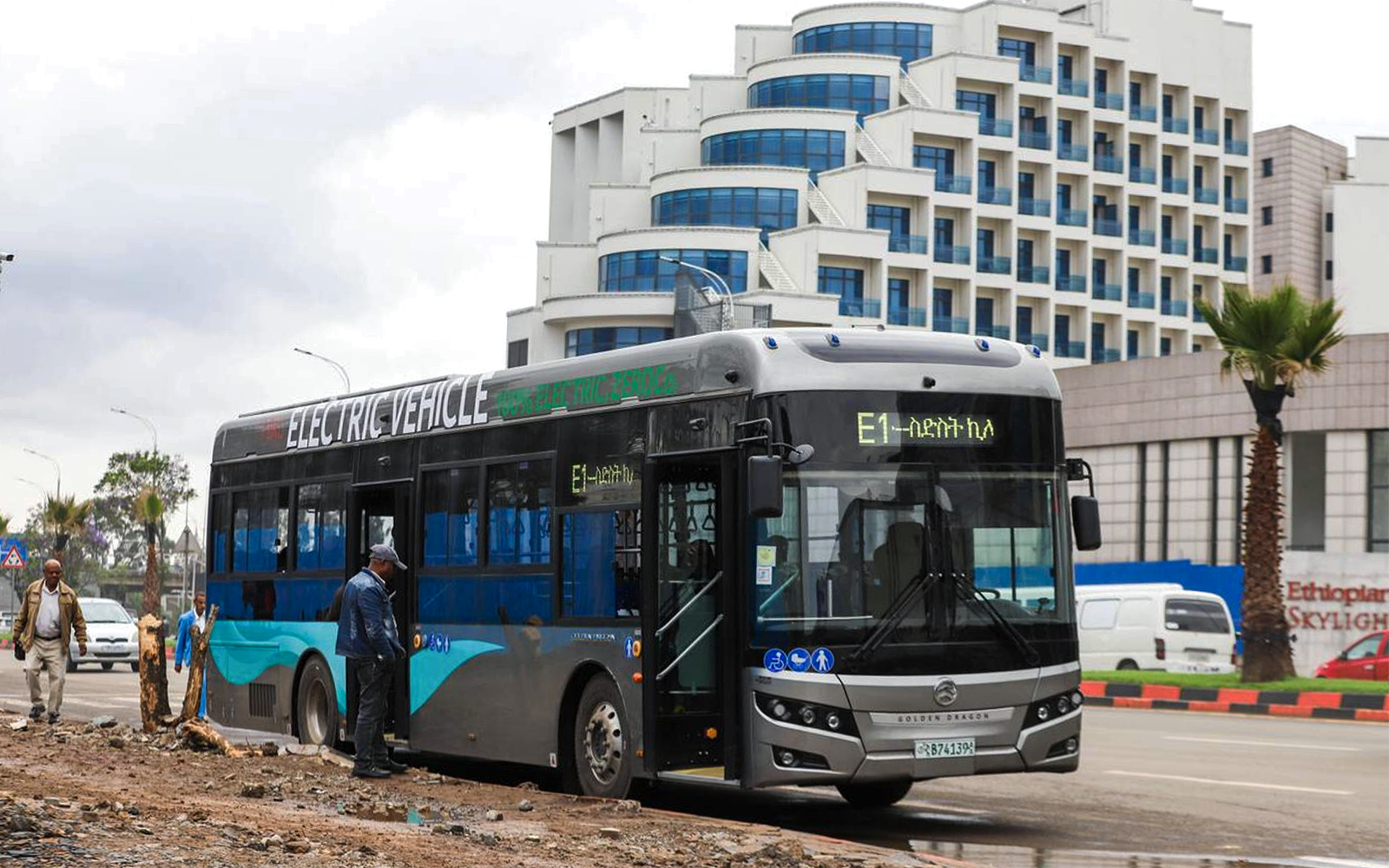
A bus network that once carried a small share of Addis Ababa's daily trips now moves most of the people who ride anything at all.
The Addis Ababa City Council's account of its most recent fiscal year, delivered by the city's transport bureau, put the public bus fleet at 1,628 vehicles, with 500 more currently being procured. Officials credited that growth, along with new routes and dispatch changes, for lifting public transport's share of citywide trips from roughly one in eleven to two in five — a rise from 9 percent to 41 percent. The bureau counted 4.19 million commuters using the system on an average day, in a city whose population is estimated at close to six million and growing by nearly 4 percent a year, among the fastest rates of any metropolis in Africa. Put simply: on most days, something close to seven in every ten residents of the Ethiopian capital pass through the system these buses belong to.
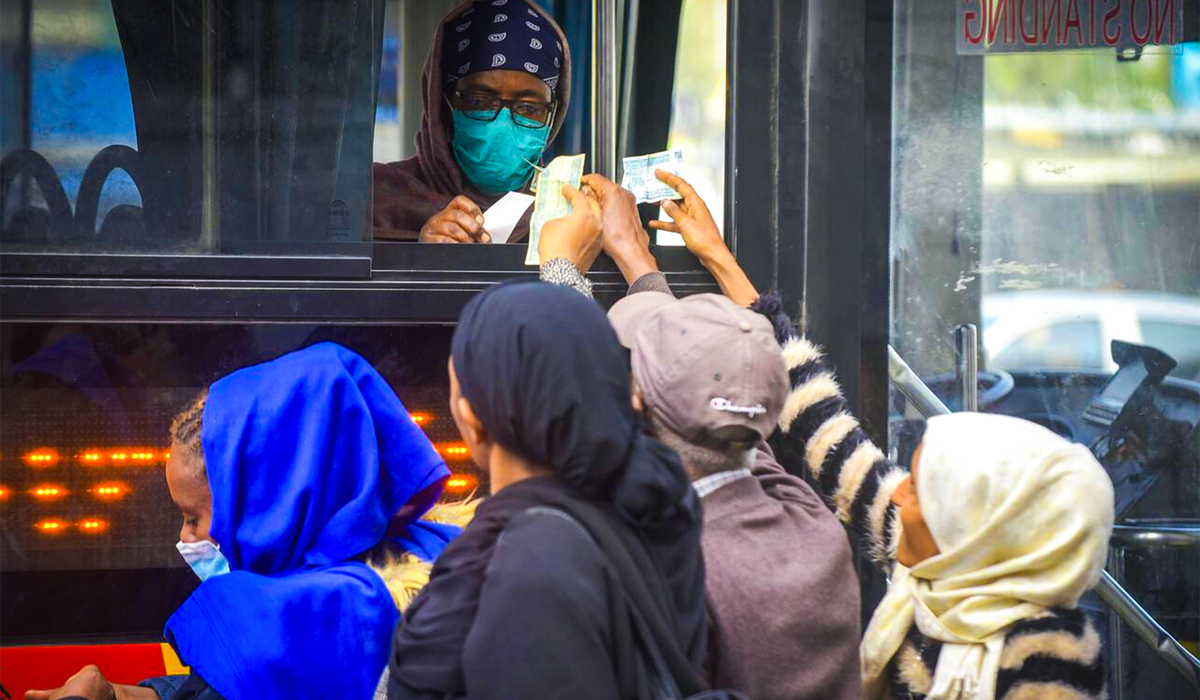
That scale is new for a service that started small. Addis Ababa's first city bus line, Anbessa, began in 1945 with a fleet built from trucks the Italian occupying army left behind, according to the enterprise's own history, and for most of the eight decades since, the story of public transport in the capital has been demand outrunning supply. As recently as 2022, a deputy head of the city's transport authority said Addis Ababa needed roughly 5,000 additional buses just to provide a minimum level of mass transit, on top of the 1,500 or so then in operation, the Ethiopian Business Review reported. Measured against that estimate, the 500 buses now on order close only a slice of the gap, even as the fleet finally grows past where it stood a few years back.
Addis Ababa is not an ordinary line on Ethiopia's map — the capital generates something close to half of the country's entire economic output, researchers studying the city's commuters have found, which means how efficiently its residents get to work carries weight well beyond the city limits. That's part of why the transport bureau is pairing the bus expansion with a push into digital tools: smart ticketing, phone-based payment of traffic fines, and 36 passenger and commuter services the city says will move onto digital platforms. For a system long run on cash, paper tickets and improvised fare collection, digitizing that many services at once is a bigger institutional shift than adding a few hundred buses. It also lands on a system where transport already eats more than a fifth of monthly income for the city's poorest households, one recent account of the city's commute found. Whether a digital fare system eases that burden or simply makes it easier to track depends on details the council's summary didn't spell out — starting with how the new platforms will treat riders who don't have a smartphone or a bank account, a gap city transit systems across the continent are still working through.
Buses carrying nearly two in five citywide trips is real movement for a system that, barely a decade after opening Sub-Saharan Africa's first light rail line, still leans on its bus and minibus network to move most of its people.