
The World Bank Approves $750 Million for Kenya to Strengthen Public Financial Management and Governance.
Kenya's debt is 68% of GDP, with 86% of tax revenue going to debt, wages, and county transfers. The $750 million loan also comes with governance conditions.
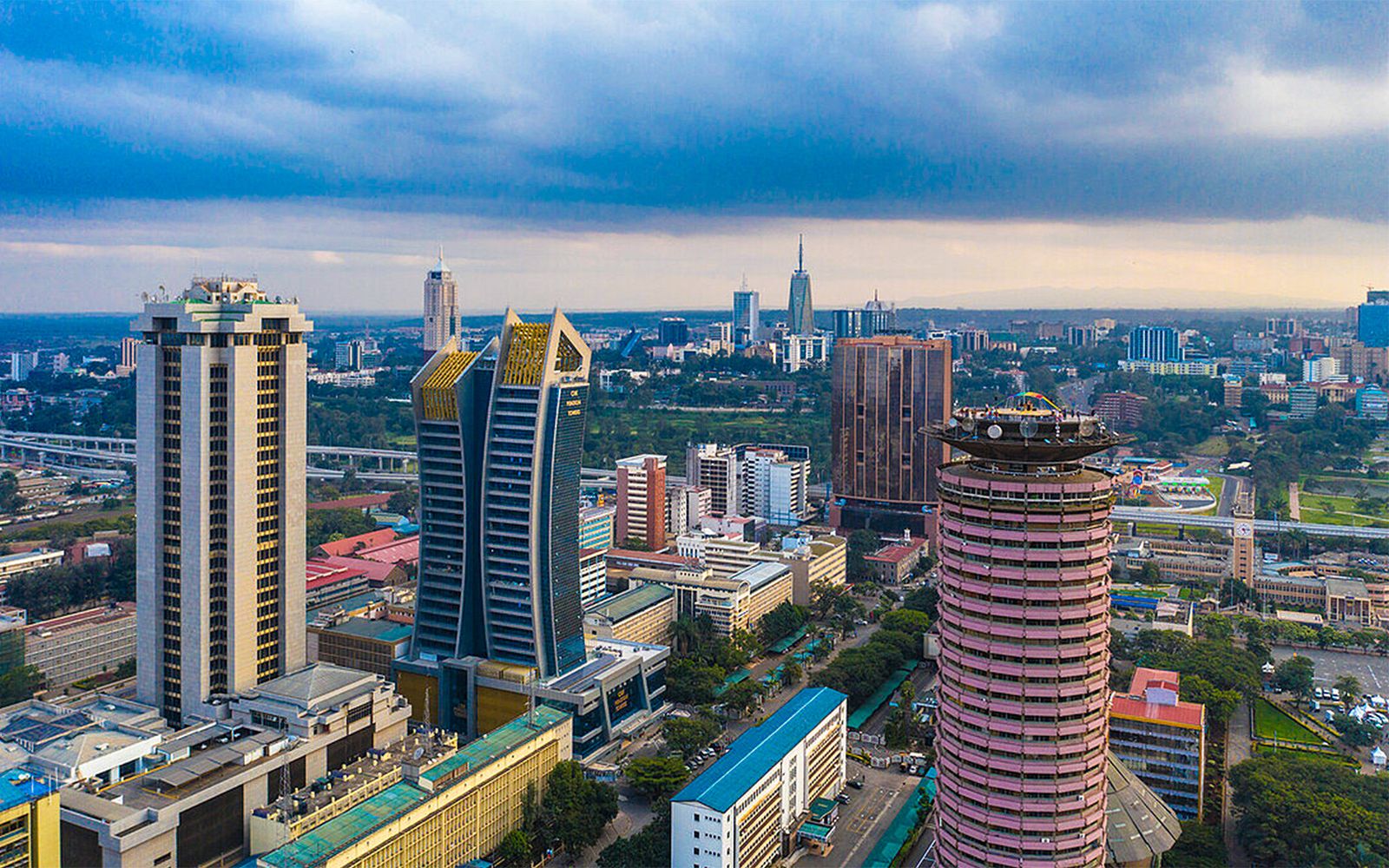
Kenya’s public debt stood at 68 percent of GDP at the end of the last fiscal year, with the IMF projecting it will rise to 71.6 percent in 2026 and 72.4 percent in 2027. Interest payments alone now absorb over a third of government revenue. To put that in household terms: imagine earning a salary and spending the first third of it every month just servicing what you already owe, before buying food, paying rent, or covering the children’s school fees. On June 29, the World Bank approved a $750 million Development Policy Operation for Kenya — $340 million as a standard loan and $410 million in concessional financing from IDA. The money comes tied to a specific set of governance and public finance reforms the Kenyan government has been legislating over the past year. The World Bank is not funding the reforms rather it is lending money in exchange for evidence they are happening.
Kenya’s fiscal position going into this loan has been deteriorating for over a decade. Public debt doubled from 35.7 percent of GDP in 2011 to 73.2 percent by end-2023. For comparison, Ethiopia’s public debt sits at around 37 percent of GDP following the 2024 Birr devaluation and IMF programme — high by the country’s own recent standards, but still roughly half Kenya’s current level. Ghana, which went through a debt restructuring in 2023, peaked at over 90 percent. Tax revenue in Kenya sits at 14.4 percent of GDP, one of the lower figures in East Africa for a country of Kenya’s size and income. Ethiopia collects around 8 percent — lower still, but starting from a much smaller formal economy. The sub-Saharan African average is about 16 percent. Kenya’s informal sector employs 82.7 percent of workers, most of whom fall largely outside the formal tax base, and the fiscal deficit for 2025 came in at 5.9 percent of GDP. The IMF and World Bank both rate Kenya as being at high risk of debt distress. Kenya’s own Public Finance Management Act requires it to bring debt below 55 percent of GDP by 2028. The IMF puts it at 72.4 percent in 2027.
The $750 million is the second in a series of budget support loans tied to the same reform programme. The first was approved in 2024. This one requires Kenya to have enacted specific legislation before the money flows. A Conflict-of-Interest law is already on the books, with the Conflict-of-Interest Regulations 2026 now gazetted, introducing stronger penalties and disclosure requirements for public officials. All ministries and agencies have been directed to consolidate their cash into a Treasury Single Account. Electronic government procurement has been moved online, putting public contracting into a system that is easier to audit and harder to manipulate.
Governments that keep money scattered across dozens of separate bank accounts often end up paying overdraft charges on some while sitting on idle balances in others — effectively paying interest to borrow money the state already owns somewhere else. Kenya’s pending bills — arrears owed to suppliers and contractors who delivered work but were not paid — have been rising as cash management failures and spending inefficiencies compound. Ethiopia went through the same consolidation push under its IMF programme, and Nigeria has been attempting a similar Treasury Single Account reform for years with mixed results. Consolidating into one account gives the Treasury a live view of what it holds, reduces the overdraft cost, and removes one channel through which money moves between institutions without a clear record of where it went.
The World Bank estimated that improved procurement and the removal of inefficient tax exemptions could yield savings of about 1.7 percent of GDP. Kenya’s GDP is around $120 billion. One point seven percent of that is roughly $2 billion a year — more than double the entire annual education budget of a country like Malawi, and about twice what Ethiopia spends annually on its road construction programme. Moving contracting online reduces the space for informal deal-making that inflates contract prices. It also creates a paper trail. Sixty percent of Kenyans told Afrobarometer in 2024 that they believed corruption had worsened, a level of distrust that, the World Bank’s analysis argues, directly undermines public appetite for higher taxes. People will not pay more into a system they do not believe spends it on them.
The social protection component carries $410 million of the total, including a dedicated tranche for refugees and host communities. The Social Protection (General) Regulations 2026 create a clearer legal framework for delivering welfare payments, and Kenya’s Enhanced Single Registry — a database of verified beneficiaries — becomes the required platform for identifying recipients. 39.8 percent of Kenyans live below the international poverty line.
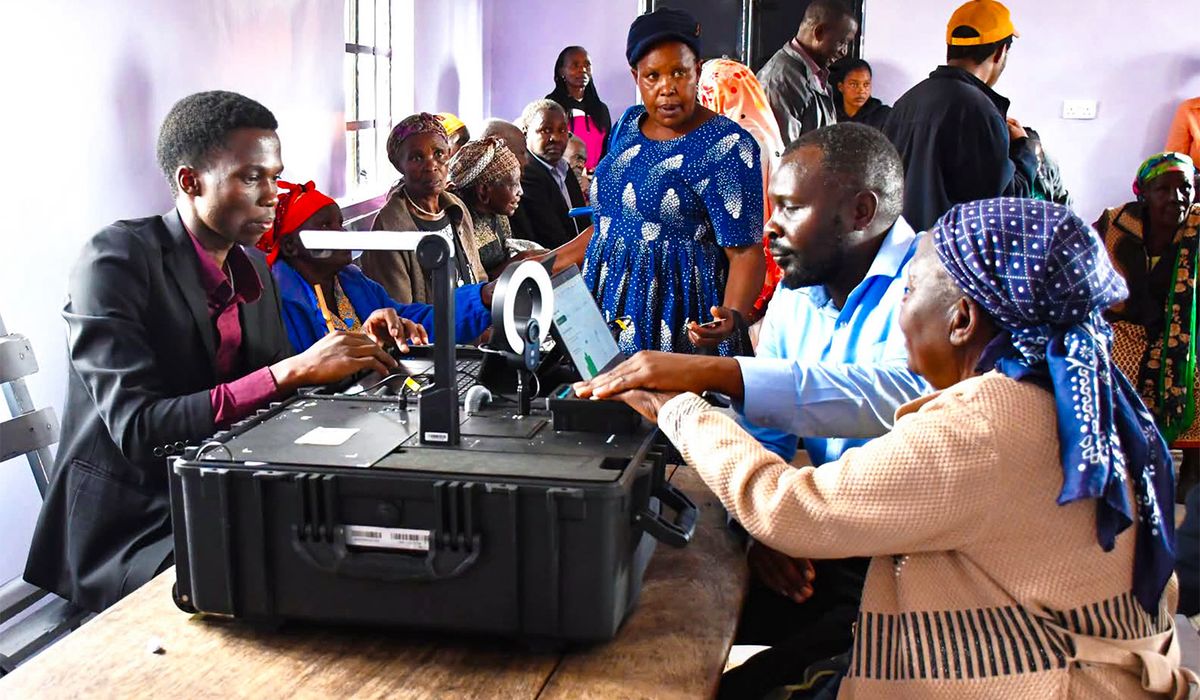
That is roughly 22 million people out of a population of 55 million — comparable in scale to the number of Ethiopians living in food-insecure conditions, in a country with more than twice Kenya’s population. The single registry reduces duplication, where the same person is enrolled in multiple programmes and receiving payments twice, while also reducing exclusion, where eligible households are left out because their documents do not match what a fragmented system requires.
Kenya’s economy is growing at around 5 percent a year, inflation has come down to 4.1 percent, and foreign reserves have reached $12 billion, covering 5.4 months of imports. Moody’s upgraded Kenya’s sovereign credit rating to B3 with a stable outlook in January 2026, citing lower near-term default risk and stronger reserves. Those are real improvements. At the same time, only 15 percent of Kenyan employment is in formal jobs — lower than Nigeria’s 20 percent, lower than Ghana’s 30 percent, and a long way from the 40 to 50 percent formal employment rates that East Asian economies had reached at Kenya’s current income level. Five percent annual economic growth has not been translating into jobs fast enough, which is the longer argument for why the governance reforms tied to this loan matter beyond the fiscal arithmetic.
The $750 million lands in a budget where 86 percent of revenue is pre-committed before a single development programme begins. It buys time and signals to other lenders that Kenya’s reform programme is externally verified. The statutory debt target of 55 percent of GDP by 2028 sits 17 percentage points above where the IMF projects Kenya will be in 2027. Rwanda ran a similar fiscal consolidation programme in the 2010s and brought its debt-to-GDP ratio from over 60 percent to under 40 percent in eight years through revenue reforms, procurement discipline, and consistent budget execution. Kenya has passed the laws. The budget cycle that starts in July will begin to show how closely the practice follows the paperwork.