
Oxano Capital Backs Kenyan Fintech Sevi, Which Lets Small Shops Order Stock on Credit and Pay When They Sell It
Kenya has 1.5 million kiosks, but most lack bank loans. Sevi embeds credit into supply chains so a Kibera shopkeeper can order stock on Tuesday and pay on Friday after selling. Oxano Capital bought equity in the model.
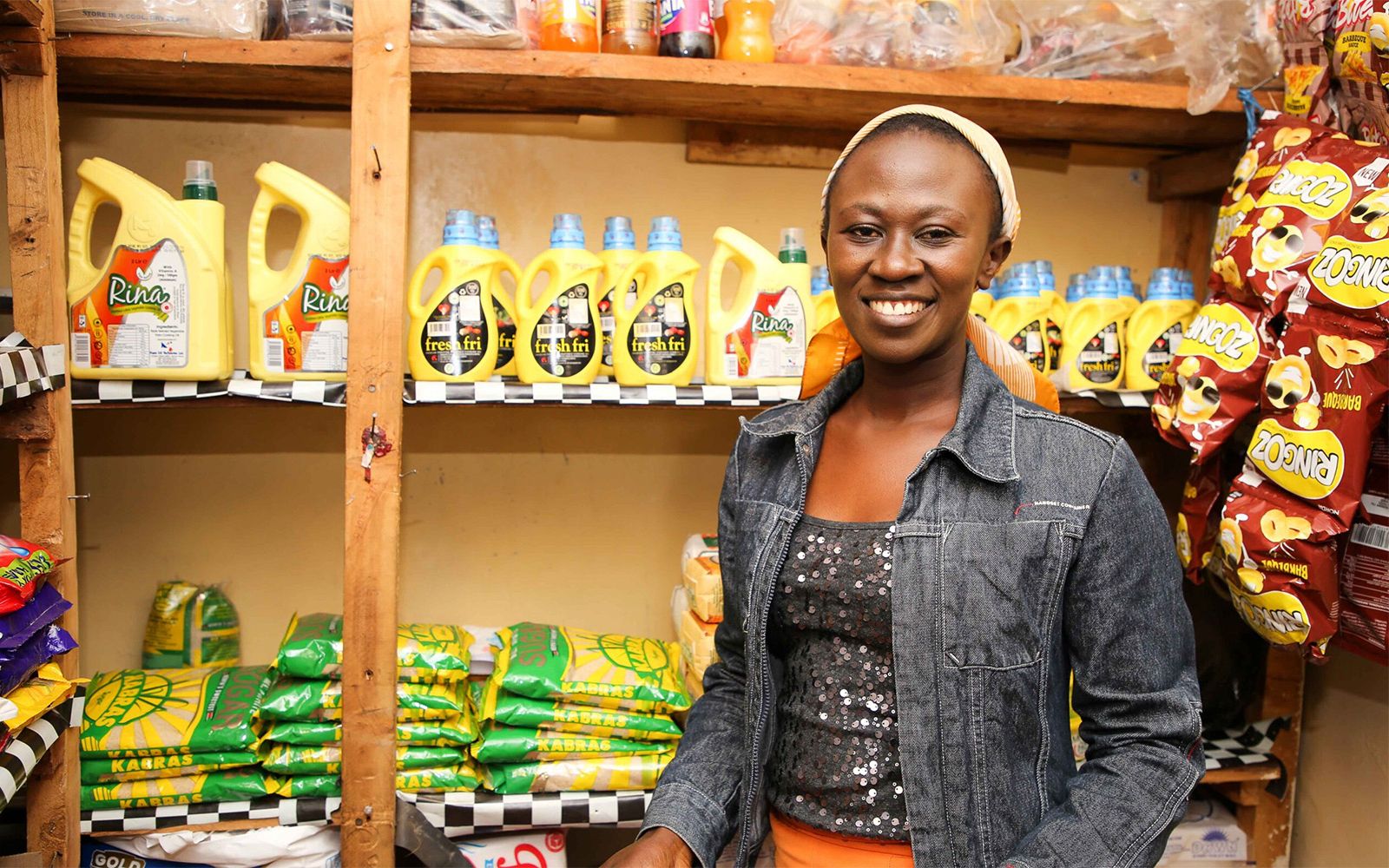
A small shop owner in Nairobi faces a specific cash flow problem that bank loans do not solve. She needs to restock her shelves on Monday. Her sales from the previous week were clear on Wednesday. The bank wants collateral she does not have and a credit history she cannot produce. The stock either waits, or she borrows from an informal moneylender at rates that eat the margin. Sevi, founded in 2018 by Dutch entrepreneurs Walter aan de Wiel and Bartel Verkruijssen, built a platform that solves this at the supply chain level: a shopkeeper orders stock through the Sevi app, the supplier receives 80 percent of the invoice value immediately, and the shopkeeper repays on a one-week cycle as sales come in. Oxano Capital, an impact-focused private equity firm targeting sub-Saharan Africa, announced a strategic minority equity stake in Sevi on July 22. The investment amount was not disclosed.
Kenya has an estimated 1.5 million micro-retailers — kiosks, dukas, small grocery and hardware shops — that collectively account for roughly 90 percent of the country’s fast-moving consumer goods distribution. Fewer than 6 percent of micro-enterprises in Kenya have access to formal credit from banks or licensed microfinance institutions. The rest manage cash flow through informal credit from suppliers who know them personally, from family networks, or from the kind of daily margin management — selling yesterday’s stock to buy today’s — that permanently caps the size of the business. The B2B supply chain finance market in Kenya is estimated at $2.3 billion in unmet demand annually. Sevi addresses the smallest end of that market: businesses too small for invoice discounting or supply chain finance products, large enough to have regular restock cycles with named suppliers.
Sevi is regulated by the Central Bank of Kenya and uses AI and machine learning for credit evaluation — assessing a retailer’s creditworthiness based on order history, repayment behaviour, and sales velocity rather than collateral or formal financial statements. Suppliers integrated into the platform — including Coca-Cola distributors, Anytime, and Philmed — receive upfront payment from Sevi’s credit pool when a retailer places an order. The retailer receives the stock, sells it over the week, and repays through the app. For the supplier, it converts a credit sale into a cash sale. For the retailer, it converts a cash purchase into a credit purchase. Invest International, a Dutch development finance institution backed by the Dutch government, was an earlier backer of Sevi and projected Kenyan revenues to surpass €7 million. Renew Capital, a US-based impact investor, backed the company in January 2025. Oxano Capital’s investment is the third disclosed institutional round.
Oxano Capital focuses exclusively on sub-Saharan Africa, deploying capital into financial inclusion, agri-finance, and SME lending businesses at growth stage. Its thesis is that the most durable returns in African fintech come not from consumer lending — which carries high default risk at small scale — but from embedding credit into existing commercial relationships where repayment is enforced by the ongoing need for supply. A shopkeeper who defaults on a Sevi credit loses access to her Coca-Cola distributor relationship. That social and commercial pressure is a more reliable repayment mechanism than a personal loan with no enforcement backstop. Oxano said it was attracted to Sevi’s experienced founding team, scalable technology, strong traction among both retailers and suppliers, and potential for regional expansion. Regional expansion is the forward signal: the same model that works in Nairobi’s informal retail corridors works in Kampala, Dar es Salaam, and Addis Ababa, where the same supply chain financing gap exists at the same scale.
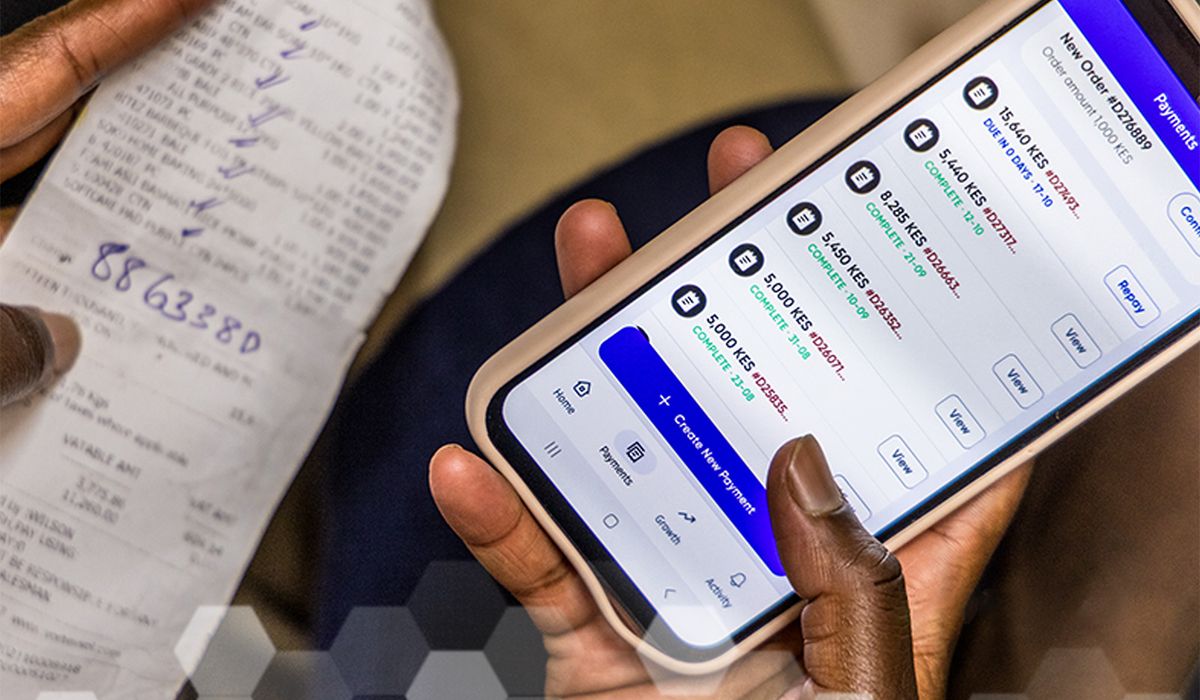
The B2B “Order Now, Pay Later” model has been proven in India, where Udaan, Khatabook, and OkCredit built multi-billion dollar businesses on the same supply chain credit logic across a fragmented kirana store market of 12 million shops. Kenya’s 1.5 million micro-retailers are a smaller but structurally identical market. Sub-Saharan Africa’s B2B e-commerce and embedded finance sector attracted $340 million in investment in 2024, with Kenya and Nigeria accounting for over 70 percent of deals. Sevi’s differentiation from the consumer BNPL products that attracted and then burned capital in the 2021–2022 African fintech boom is the supply chain anchor: the credit does not fund general consumption, it funds a specific inventory order from a named supplier with a one-week repayment cycle tied to known sales velocity. Whether Oxano’s investment accelerates Sevi to the regional scale its model can support, or whether it remains a Kenya-only operation, will show in the next 18 months of operational data.