
Ethiopia Opens Conference Resort With 1,300-Seat Hall and Floating Restaurant at Arba Minch — Two Hours From Addis Ababa, on the Edge of Africa's Rift Valley Lakes.
The Resort opened on July 4 as part of the Dine for Generation programme. Ethiopia hosted 204 international conferences last year and earned $5.2 billion from tourism.
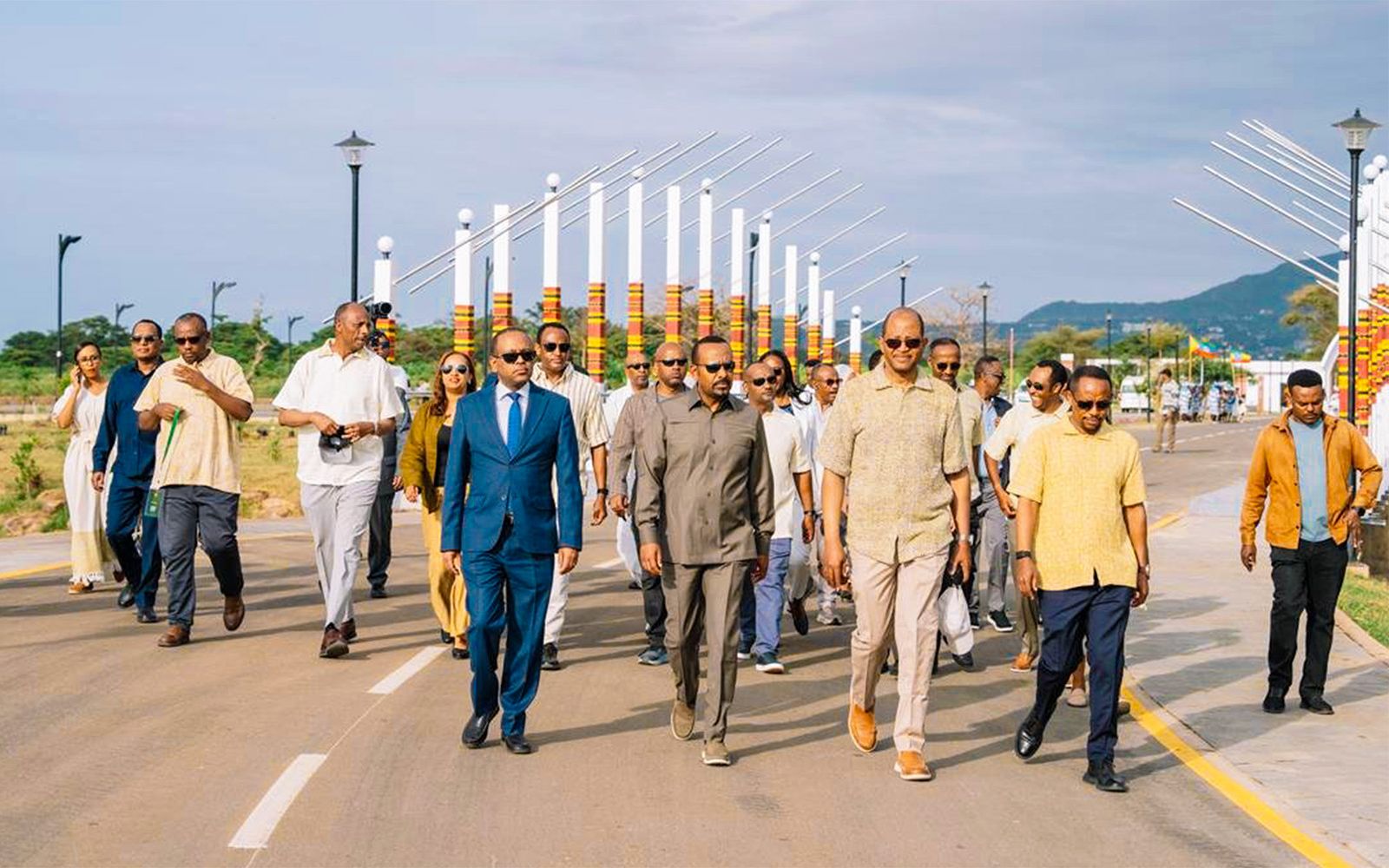
Arba Minch means forty springs. The town sits in the Gamo Zone of South Ethiopia, flanked by two of the country’s largest rift valley lakes — Abaya and Chamo — with Nechisar National Park on one side and the highland villages of Dorze on the other. Prime Minister Abiy Ahmed opened the Arba Minch Conference Resort on July 4, inaugurating a facility with a 1,300-seat conference hall and a floating restaurant built on the lake. The resort was designed on 120 hectares, drawing on the vernacular architecture of the Gamo community, with rooflines referencing local settlement patterns. A Kuriftu Resort on a 52,000 square metre site nearby is under separate construction, with 53 luxury villas and 300 permanent jobs planned. Two major conference and hospitality projects opening in the same town, in the same week.
Ethiopia hosted 204 international meetings and conferences in the 2025/26 fiscal year, drawing more than 166,000 foreign guests, generating $5.2 billion in total tourism and related foreign exchange revenue. That is more than double the $2 billion figure from two years earlier, and it puts Ethiopia in the same company as Kenya, Morocco, and Rwanda as one of Africa’s fastest-growing conference markets. Nearly all of it happened in Addis Ababa, which hosts the African Union, the UN Economic Commission for Africa, and the diplomatic infrastructure that generates a steady calendar of continental summits. The Addis International Convention Center opened in early 2025 with an investment of 28 billion Birr, capacity for 10,000 people, and ten major institutional bookings within its first few months.
The Dine for Generation programme — which translates loosely as “feast for the coming generation” — is the government’s framework for building tourism infrastructure in secondary cities and underserved regions. It funded the Gorgora resort on Lake Tana in Amhara, the Koyisha development in the Southern Nations, and Wanchi in the West. Each project follows the same template: take a site with genuine natural assets, build conference and hospitality infrastructure to international standard, and create the hard infrastructure that turns a destination people have heard of into a destination people can book. Arba Minch is the programme’s most recent completion and arguably its strongest natural starting point. The town already had the Haile Resort, rated number one in Arba Minch on TripAdvisor with 898 reviews, and the Paradise Lodge drawing visitors to the lakes and the Omo Valley gateway.
A delegate attending a three-day international conference spends, on average, three to five times more per day than a leisure tourist. Africa’s overall travel market was valued at $25.7 billion in 2025 and is projected to reach $40 billion by 2034, with MICE — meetings, incentives, conferences, exhibitions — among the fastest-growing segments. Rwanda built its entire post-genocide economic recovery strategy partly around conference tourism, investing in the Kigali Convention Centre and positioning the capital as the default venue for African Union and continental development meetings. The result: tourism revenues in Rwanda grew from $86 million in 2000 to over $1 billion by 2019. Ethiopia is attempting the same logic at larger scale, across a country of 130 million people with nine UNESCO World Heritage Sites and landscapes that Rwanda, for all its success, cannot match.
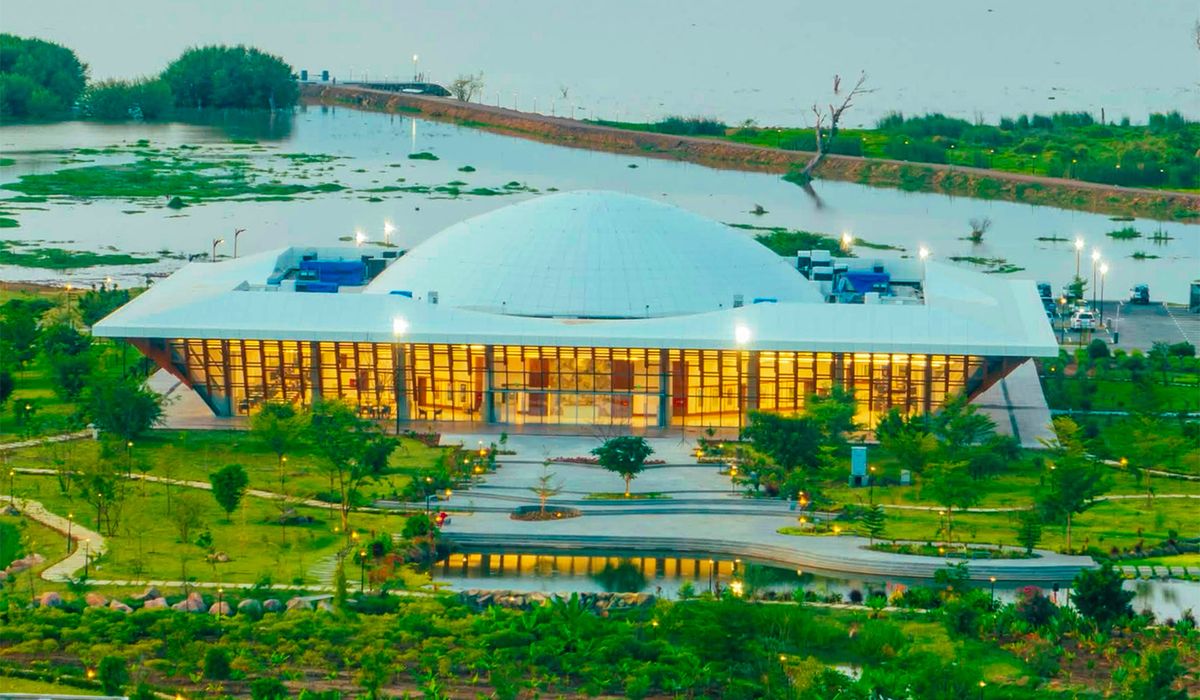
Conference tourism is competitive. Eastern Africa saw a 24.3 percent surge in aviation capacity in 2025, the highest of any African sub-region, and every city in the region is building convention infrastructure. The differentiation for Arba Minch is the experience that surrounds the meeting — boat tours of Lake Chamo’s crocodile market, the highland textile traditions of Dorze, the springs and the national park. These are assets Addis Ababa does not have and cannot replicate 500 kilometres to the north.
Arba Minch Airport has a 2,500-metre runway and operates domestic connections to Addis Ababa. Ethiopian Airlines carries 22.9 million passengers a year and has been expanding domestic routes as part of a broader push to make secondary destinations accessible to international visitors transiting through Addis. A conference delegate landing at Bole, connecting to a domestic flight, and arriving at a 1,300-seat international-standard conference facility in under two hours is a product that did not exist last week.
The hotel market across Ethiopia is projected to reach $1.16 billion by 2029, and the investors who will capture most of that growth are the ones who move into secondary cities before the infrastructure catches up with the demand. Arba Minch now has the infrastructure. The demand will follow the product.