
AlphaGeo Ranks Addis Ababa Behind Chicago as the Second Most Climate-Resilient Major City Out of 72
An AI spatial risk assessment places the Ethiopian capital next to the US metro across a pool of the world's largest cities, shielding local commercial real estate from rising global insurance premiums.
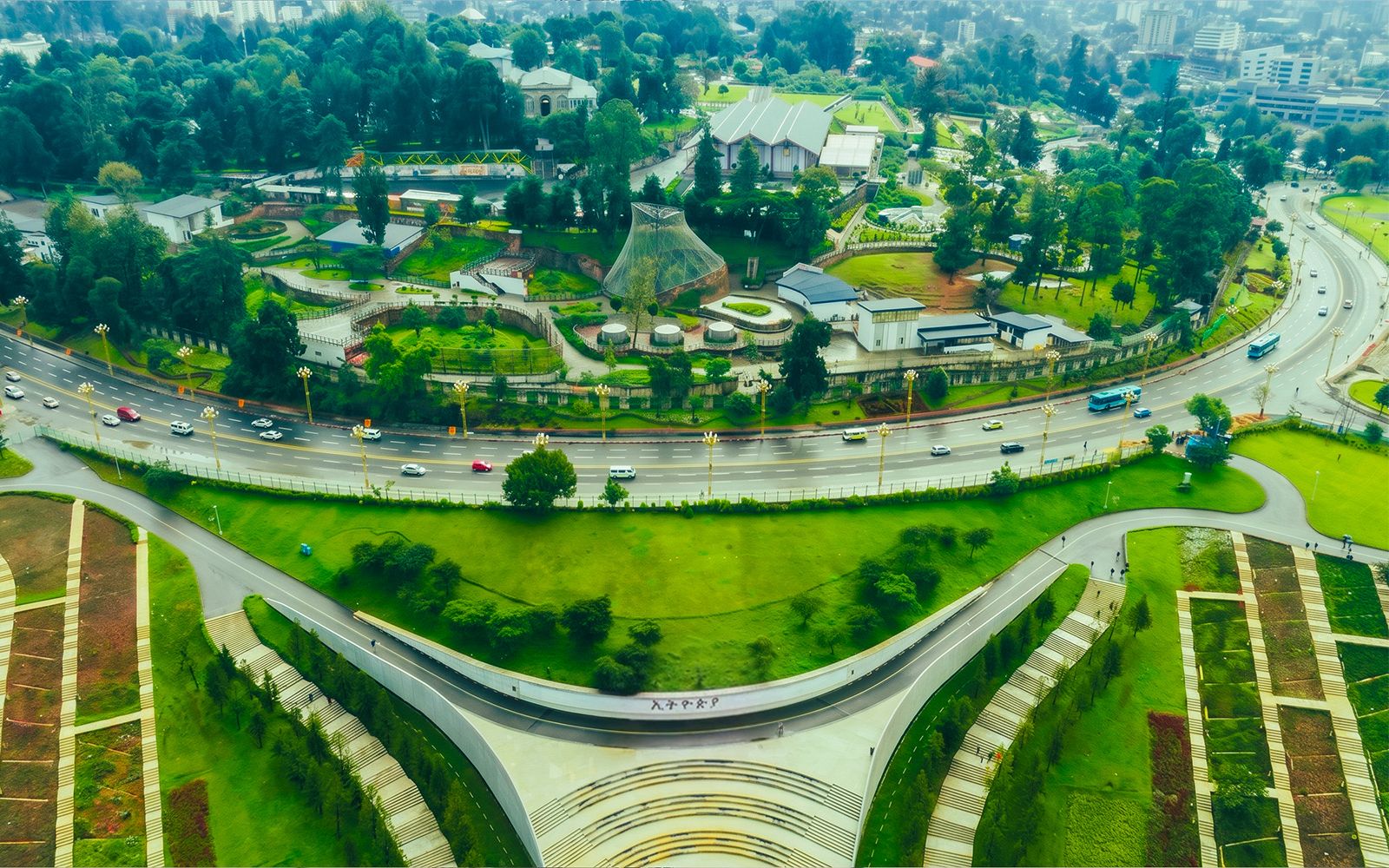
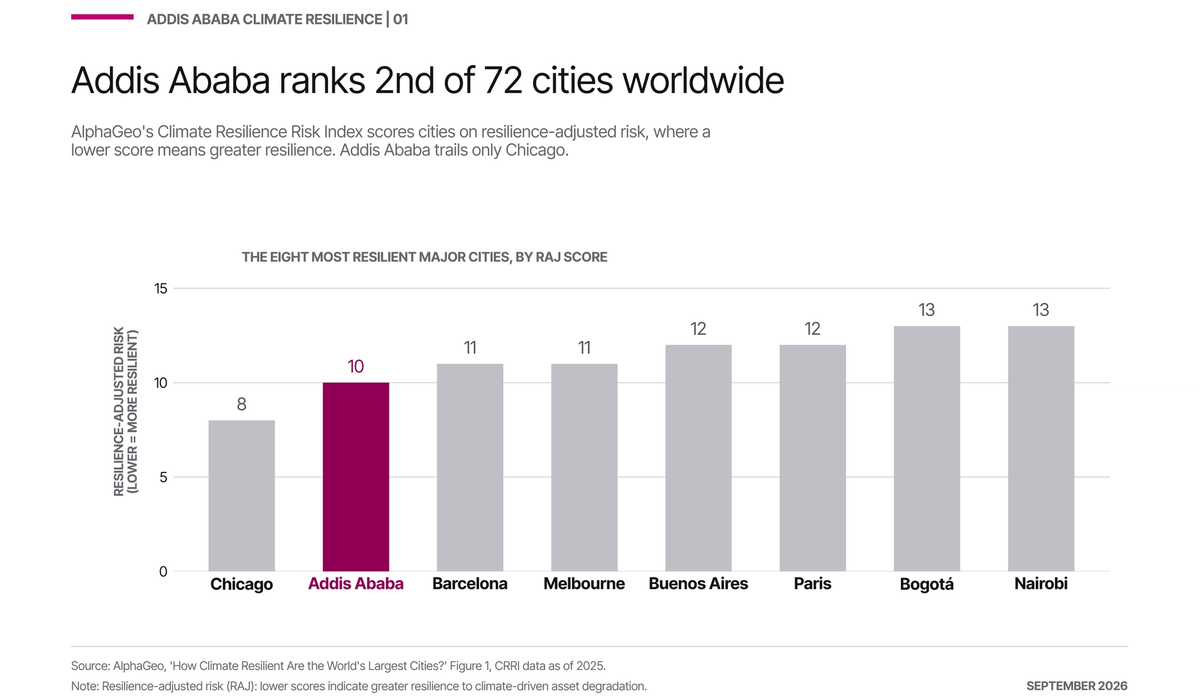
Addis Ababa is the second most climate-resilient major city on Earth, trailing only Chicago in a 72-city evaluation published this week. The assessment by AlphaGeo, a geospatial artificial intelligence firm, measures how extreme weather degrades physical assets over time. Sitting at 2,355 meters above sea level on the Ethiopian plateau, the capital relies on its high elevation to bypass the extreme heat and coastal flooding destroying infrastructure elsewhere.
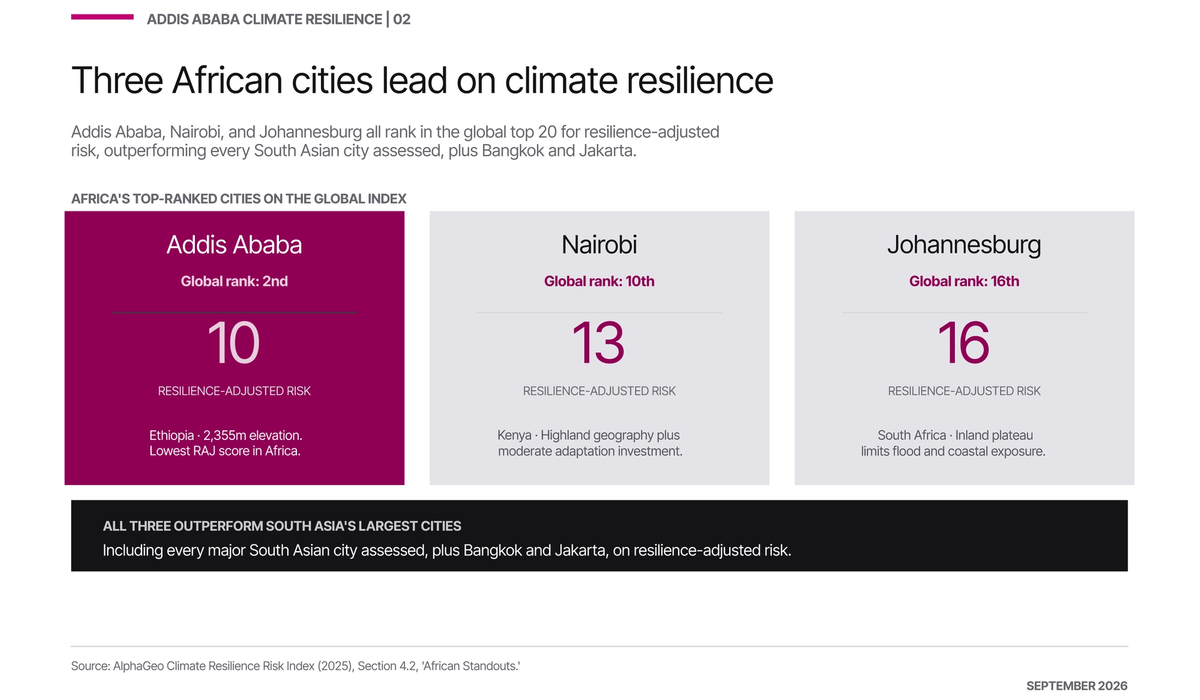
Nairobi secured the tenth position and Johannesburg ranked sixteenth, placing three African economic hubs in the global top 20. Property portfolios in these highland cities escape the steep climate risk discounts and aggressive insurance premium hikes currently reshaping real estate valuations in coastal Asian and American markets.
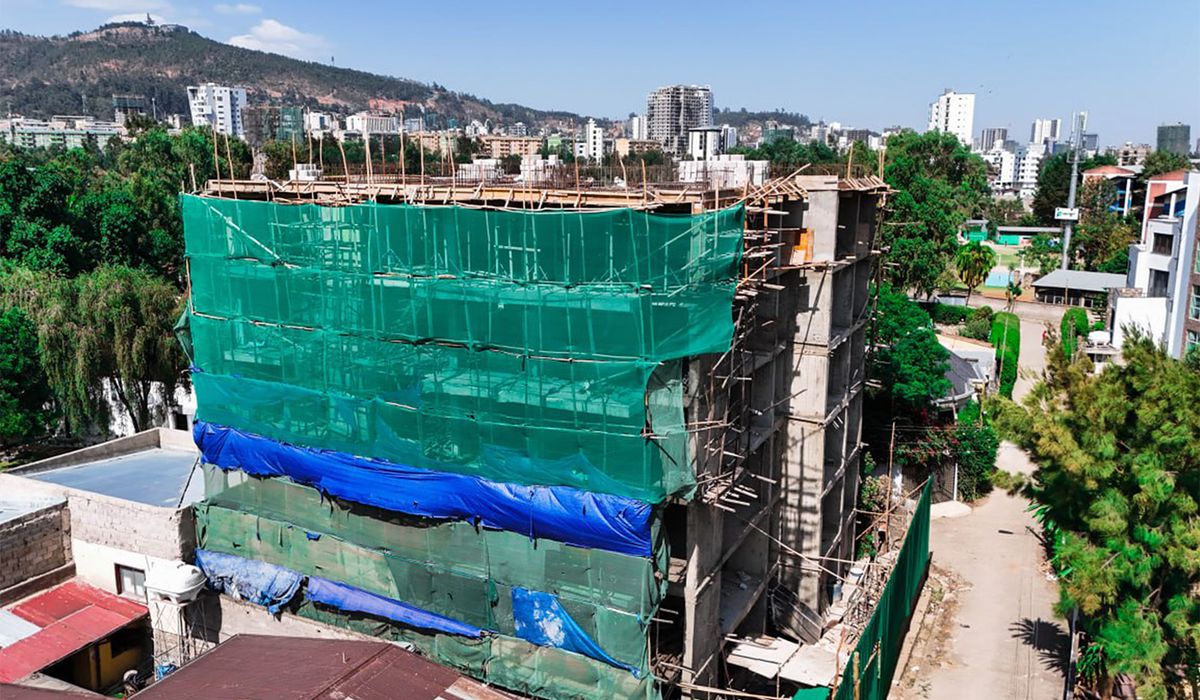
Institutional capital now prices physical geography into its financial modeling. Sovereign wealth funds and real estate investment trusts use AlphaGeo's data lake to calculate the ten-year net present value loss caused by droughts, wildfires, and inland flooding. In Addis Ababa, those baseline geographic advantages combine with ongoing adaptation projects, such as the development of Bus Rapid Transit corridors designed to cut urban congestion and emissions. That baseline resilience recovers an estimated 2.0 percent of asset value that would otherwise be lost to climate degradation globally. Developers building commercial space in the Bole and Kazanchis districts face significantly lower retrofit capital expenditure requirements than their peers in Ahmedabad or Hyderabad, which anchor the bottom of the global resilience index.
Global insurance carriers are structurally reallocating their exposure. Commercial assets in high-risk zones face mandatory premium increases, while low-risk highland cities offer a pricing sanctuary. Foreign direct investment screening now treats this resilience as a hard financial asset. Commercial property operators in Addis Ababa effectively hold a geographic subsidy. When a multinational corporation calculates its regional headquarters placement, the physical security of data centers and staff housing against sudden climate shocks shifts the internal rate of return in Ethiopia's favor.